
How Heavy Tesla Model Y: Complete Weight Guide for Buyers, Owners, and EV-Curious Drivers
- Introduction: So, How Heavy Is a Tesla Model Y?
- How Heavy Is a Tesla Model Y in Pounds?
- How Heavy Is a Tesla Model Y in Kilograms?
- What Does Curb Weight Mean on a Tesla Model Y?
- Tesla Model Y Weight by Trim
- Why Is the Tesla Model Y So Heavy?
- Tesla Model Y Weight vs Gross Vehicle Weight Rating
- Where to Find the Exact Weight of Your Tesla Model Y
- How Tesla Model Y Weight Affects Driving
- How Model Y Weight Affects Range
- How Model Y Weight Affects Tires
- How Model Y Weight Affects Suspension
- How Model Y Weight Affects Towing
- Tesla Model Y Weight Compared With Gas SUVs
- Tesla Model Y Weight Compared With Other Tesla Models
- Does the Tesla Model Y Feel Heavy?
- Is the Tesla Model Y Too Heavy?
- How Much Does a Loaded Tesla Model Y Weigh?
- Does Weight Change With Wheel Size?
- Does the Battery Make the Model Y Safer?
- Practical Tips for Managing Tesla Model Y Weight
- Who Should Care Most About Tesla Model Y Weight?
- Common Mistakes People Make About Model Y Weight
- How Heavy Tesla Model Y: Quick Answer
- Conclusion: The Model Y Is Heavy, But Smartly Heavy
- FAQs About Tesla Model Y Weight
Introduction: So, How Heavy Is a Tesla Model Y?
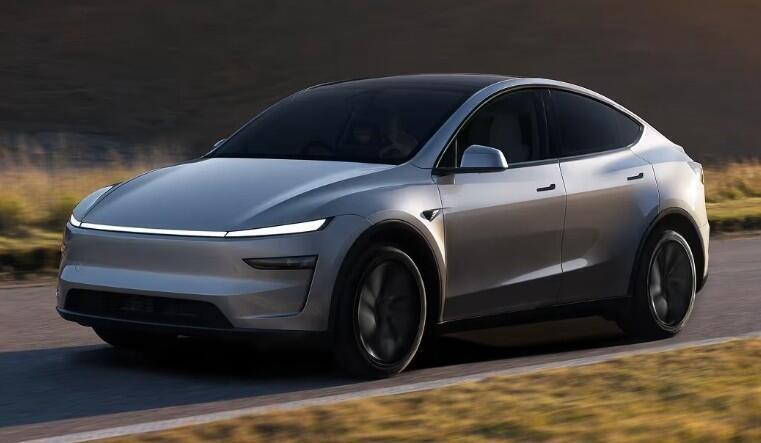
The Tesla Model Y is not a featherweight crossover, and honestly, we should not expect it to be. It is an electric midsize SUV with a large battery pack, a reinforced body structure, electric motors, roomy seating, and enough cargo space to swallow weekend luggage like a hungry suitcase monster. So when we ask, “how heavy Tesla Model Y?”, the simple answer is this: the Tesla Model Y typically weighs around 4,170 to 4,470 pounds, or roughly 1,890 to 2,030 kilograms, depending on the version, market, wheels, seating layout, and equipment.
That range matters because not every Model Y is built the same. A rear-wheel-drive version is usually lighter than an all-wheel-drive version. A Long Range AWD model may weigh more because it carries additional drive hardware. A Performance version may add bigger wheels, performance tires, upgraded brakes, and suspension changes. Then there are regional differences, battery chemistry differences, towing equipment, wheel sizes, and even seating options.
In plain English, the Model Y is heavy compared with many gas-powered compact SUVs, but it is not unusually heavy for an electric SUV. The battery pack is the main reason. Think of it like a backpack full of power. A gasoline SUV carries energy in a relatively light fuel tank, while an EV carries energy in hundreds or thousands of battery cells. That extra mass is the price of quiet acceleration, low center of gravity, instant torque, and skipping the gas station.
But weight is not just a trivia number. It affects range, braking, tires, handling, towing, payload, insurance, road feel, and long-term maintenance. So let’s unpack it properly.
How Heavy Is a Tesla Model Y in Pounds?
Most Tesla Model Y versions sit in the low-to-mid 4,000-pound range. As a practical buyer’s guide, we can use these approximate curb weight ranges:
- Tesla Model Y Rear-Wheel Drive: around 4,170 to 4,300 pounds
- Tesla Model Y Long Range RWD: around 4,170 to 4,250 pounds
- Tesla Model Y Long Range AWD: around 4,390 to 4,480 pounds
- Tesla Model Y Performance: often around 4,400 to 4,500 pounds
- Loaded Model Y with passengers and cargo: can exceed 5,000 pounds depending on payload
The number most shoppers see online is usually curb weight or curb mass. This means the vehicle’s weight with standard equipment and necessary operating fluids, but without passengers or cargo. Since the Model Y is electric, it does not have a tank of gasoline sloshing around, but it still has coolant, brake fluid, washer fluid, and a massive battery pack.
The key thing to remember is that curb weight is not the same as the maximum loaded weight. Your Model Y may weigh around 4,400 pounds empty, but once we add five adults, luggage, a child seat, roof accessories, or camping gear, the real-world weight climbs quickly.
How Heavy Is a Tesla Model Y in Kilograms?
In kilograms, the Tesla Model Y typically weighs around 1,890 to 2,030 kg. For readers outside the United States, that makes the Model Y a roughly two-tonne electric SUV.
Approximate conversions look like this:
| Tesla Model Y Version | Approximate Weight in Pounds | Approximate Weight in Kilograms |
|---|---|---|
| Model Y Long Range RWD | 4,170 lb | 1,891 kg |
| Model Y RWD | 4,235 lb | 1,921 kg |
| Model Y AWD | 4,390 lb | 1,992 kg |
| U.S. listed curb mass | 4,473 lb | 2,029 kg |
That means the Model Y is heavier than many traditional compact SUVs, but similar to or lighter than many larger electric SUVs. It is not a small hatchback pretending to be an SUV. It is a battery-powered family crossover with serious mass under the floor.
What Does Curb Weight Mean on a Tesla Model Y?
Curb weight is the weight of the vehicle before we climb in and start filling it with daily life. Imagine the Model Y sitting in your driveway, clean, charged, and ready to go. No passengers. No groceries. No suitcases. No dog in the back. That is the idea behind curb weight.
For the Model Y, curb weight includes:
- The battery pack
- Electric motor or motors
- Standard wheels and tires
- Factory-installed equipment
- Necessary operating fluids
- Vehicle body, interior, glass, seats, and electronics
It does not usually include:
- Driver
- Passengers
- Cargo
- Roof boxes
- Bike racks
- Trailer tongue weight
- Aftermarket accessories
This distinction is important because many people search “how heavy Tesla Model Y” when they are really trying to answer a more specific question. Can my garage lift handle it? Can I tow with it? Will it fit on a certain trailer? Will it wear tires faster? Can my driveway handle the weight? Curb weight gives us the starting point, but not the full loaded story.
Tesla Model Y Weight by Trim
Tesla Model Y Rear-Wheel Drive Weight
The rear-wheel-drive Model Y is generally the lightest version. That makes sense. It has one main drive motor instead of two, and depending on the market, it may use a slightly different battery pack than higher-range versions.
A lighter Model Y can feel a touch more efficient, especially around town. Less weight means the motor has less mass to move, stop, and move again. Of course, EVs recover energy through regenerative braking, so the penalty is not as dramatic as it might be in a gas SUV.
For many drivers, the RWD version hits the sweet spot. It still has the Model Y shape, space, technology, and low running costs, but without the extra hardware of an all-wheel-drive system.
Tesla Model Y Long Range RWD Weight
The Long Range RWD version is interesting because it blends efficiency with extended range. It may weigh slightly more than the standard RWD model depending on battery configuration, but it can still be lighter than AWD versions.
This trim is often attractive for drivers who want range more than maximum acceleration. We could think of it as the long-distance runner of the family. It does not need two motors to flex at every stoplight. It just wants to glide farther between charging stops.
Tesla Model Y Long Range AWD Weight
The Long Range AWD Model Y is usually heavier than RWD versions because it adds a second motor and all-wheel-drive hardware. That extra weight is not wasted, though. It brings better traction, quicker acceleration, and more confidence in rain, snow, gravel, and steep driveways.
For many buyers, this is the most balanced Model Y. It is heavier, yes, but it also feels more planted. The low-mounted battery keeps the center of gravity low, so even though the vehicle has SUV mass, it does not lean like an old-school tall crossover.
Tesla Model Y Performance Weight
The Model Y Performance is not dramatically heavier than the Long Range AWD version, but it may carry different wheels, tires, brakes, suspension components, and performance hardware. Bigger wheels can add rotational mass, and that kind of weight matters because the motors must spin it.
The Performance version is like the athletic friend who still carries a heavy backpack but somehow sprints anyway. It is not light, but it is quick. Very quick. The instant electric torque hides the mass beautifully, at least until physics reminds us during hard braking or tire replacement.
Why Is the Tesla Model Y So Heavy?
The Battery Pack Is the Big Reason
The battery pack is the elephant in the room, except it is mounted neatly under the floor. EV batteries are heavy because they store enough energy to move a family-sized SUV hundreds of miles. That energy density is improving over time, but batteries remain much heavier than a tank of gasoline.
The upside? The battery pack sits low. That helps the Model Y feel stable and secure. Instead of weight sitting high like a roof rack full of bricks, much of the mass is tucked close to the road. This gives the vehicle a grounded feel, especially through corners.
Dual Motors Add Weight
All-wheel-drive versions use two motors: one for the front axle and one for the rear. That adds weight, but it also adds traction and performance. For buyers in wet or snowy climates, that trade-off can be worth it.
Structural Safety Adds Mass
Modern EVs are built with safety in mind. The Model Y has a strong body structure, battery protection, crumple zones, airbags, electronics, sensors, cameras, and reinforced areas. Safety does not float in the air. It comes with material, and material has weight.
The Model Y Is Bigger Than It Looks
From the outside, the Model Y can look sleek and simple. But it is a roomy crossover with generous cargo space, a tall cabin, large glass, and available three-row seating in some markets. It is not tiny. It carries family-SUV proportions under that minimalist Tesla skin.
Tesla Model Y Weight vs Gross Vehicle Weight Rating
Curb weight tells us how heavy the Model Y is empty. Gross Vehicle Weight Rating, often shortened to GVWR, tells us the maximum safe loaded weight of the vehicle.
That includes:
- Vehicle curb weight
- Driver
- Passengers
- Cargo
- Accessories
- Trailer tongue weight, when applicable
This matters because payload is not unlimited. If the Model Y weighs about 4,400 pounds empty and its maximum loaded rating is around the low-to-mid 5,000-pound range, we do not get to add infinite people and gear. There is a real limit, and it is printed on the vehicle’s certification label.
Where to Find the Exact Weight of Your Tesla Model Y
The best place to check your specific Model Y weight information is the label inside the driver-side door area. Open the driver door and look around the door pillar. There should be a vehicle certification label and tire/loading information label.
This content may interest you! Tesla Model Y vs Model Y L: Which Electric SUV Makes More Sense?
These labels may show:
- GVWR
- Front GAWR
- Rear GAWR
- Tire size
- Recommended tire pressure
- Seating capacity
- Cargo and occupant weight limits
This is the number that matters for your exact vehicle. Online specs are helpful, but the label on your own Model Y is the final word because it reflects the configuration and certification for that car.
How Tesla Model Y Weight Affects Driving
Acceleration Feels Strong Despite the Weight
One funny thing about electric vehicles is that they can feel lighter than they are. The Tesla Model Y is heavy, but the instant torque makes it leap forward with very little drama. There is no engine revving, no gear hunting, no delay. You press the pedal, and the SUV moves.
That can fool us. The Model Y may feel nimble, but it still has serious mass. Like a big athlete with quick feet, it can move fast, but it needs strong tires and brakes to manage that energy.
Handling Benefits From a Low Center of Gravity
The battery pack sits under the floor, giving the Model Y a low center of gravity. This helps reduce body roll compared with many tall gas SUVs. In normal driving, the Model Y feels planted and confident.
This is one reason many people are surprised when they drive it. They expect a heavy SUV to feel floaty, but the Model Y often feels more like a raised sport wagon than a traditional family crossover.
Braking Requires Respect
Weight affects braking distance. Regenerative braking helps by slowing the car and sending energy back into the battery, but the vehicle’s physical mass still matters in emergency stops. Tires, road surface, brake condition, and speed all matter.
In simple terms: a heavy EV can accelerate like a sports car, but it still needs space to stop like a heavy vehicle. We should drive accordingly.
How Model Y Weight Affects Range
Weight has a direct relationship with efficiency, especially in stop-and-go driving. A heavier vehicle needs more energy to accelerate. The good news is that regenerative braking recaptures some of that energy when we slow down.
Still, weight can reduce range when combined with:
- Big wheels
- Cold weather
- High speeds
- Roof racks
- Heavy cargo
- Towing
- Aggressive acceleration
- Underinflated tires
If we want the best range, we should keep the vehicle light, remove unused roof accessories, maintain tire pressure, and avoid treating every green light like a drag strip.
How Model Y Weight Affects Tires
Tires carry the full personality of the vehicle. On the Model Y, they support a heavy SUV with instant torque. That combination can wear tires faster if we drive aggressively.
Heavy EVs can be tough on tires because:
- They weigh more than many gas crossovers
- Instant torque can stress the tread
- Regenerative braking changes wear patterns
- Alignment matters a lot
- Larger wheels often use lower-profile tires
If we own a Model Y, tire rotation is not just a boring maintenance chore. It is one of the best ways to protect our wallet. A heavy EV can chew through rubber if we ignore pressure, alignment, and rotation intervals.
How Model Y Weight Affects Suspension
The Model Y suspension is designed for the vehicle’s mass, but weight still plays a role in ride quality. Heavier vehicles can feel solid and stable, but they can also transmit sharp bumps if the suspension is firm or the wheels are large.
Bigger wheels may look fantastic, but they can reduce ride comfort because shorter tire sidewalls leave less cushion between the road and the cabin. If we want comfort, smaller wheels often make more sense. If we want sharper looks and sportier feel, bigger wheels may be worth the trade-off.
How Model Y Weight Affects Towing
The Model Y can tow in many markets when properly equipped, but towing brings weight management into the spotlight. Trailer weight, tongue weight, passengers, cargo, and road conditions all matter.
When towing, we should pay attention to:
- Maximum towing capacity
- Tongue weight
- Payload limit
- Tire pressure
- Trailer brakes
- Range reduction
- Charging stops
- Local towing regulations
A trailer can make the Model Y feel like it is pulling a parachute, especially at highway speeds. The vehicle may have the torque to tow confidently, but range can drop quickly. Weight is only half the story. Aerodynamic drag is the sneaky villain.
Tesla Model Y Weight Compared With Gas SUVs
Compared with gasoline compact SUVs, the Model Y is often heavier. A typical gas crossover may weigh somewhere in the 3,500 to 4,000-pound range. The Model Y usually sits above that because of its battery.
However, the comparison is not totally apples to apples. The Model Y often offers strong acceleration, a flat floor, generous cargo room, low running costs, and EV packaging benefits. So yes, it weighs more, but that weight comes with a different driving experience.
It is a bit like comparing a laptop with a big battery to a thin notebook. The laptop weighs more, but it does more. The question is not only “how heavy is it?” The better question is “what does that weight give us?”
Tesla Model Y Weight Compared With Other Tesla Models
The Model Y is heavier than the Model 3, which makes sense because the Model Y is taller, roomier, and more SUV-like. It is usually lighter than the larger Model X, which is a bigger luxury SUV with more complex doors, more cabin space, and more hardware.
In Tesla’s lineup, the Model Y sits in the middle. It is not the lightest, not the heaviest, but probably the most practical for many families.
Model Y vs Model 3
The Model 3 is lower, sleeker, and usually lighter. It is the better choice if we want maximum efficiency and a more sedan-like driving feel.
Model Y vs Model X
The Model X is larger, heavier, more expensive, and more luxurious. It offers more space and presence, but the Model Y is easier to live with for many budgets.
Model Y vs Cybertruck
The Cybertruck is in a completely different weight class. It is a pickup, not a crossover. If the Model Y is a heavy backpack, the Cybertruck is a toolbox on wheels.
Does the Tesla Model Y Feel Heavy?
Not usually in daily driving. That is one of the Model Y’s tricks. Because the battery is low and the motors respond instantly, the vehicle feels smoother and more agile than the number on the scale suggests.
Where we do notice the weight is during:
- Emergency braking
- Fast cornering on rough roads
- Tire replacement
- Jacking or lifting the vehicle
- Towing
- Driving on soft ground
- Hitting potholes with large wheels
In normal city and highway driving, the Model Y feels calm, quiet, and planted. The weight becomes background music rather than the main song.
Is the Tesla Model Y Too Heavy?
For most drivers, no. The Model Y is heavy, but not absurdly heavy for an electric SUV. Its weight is part of the EV package. We get a big battery, strong acceleration, excellent traction in AWD versions, and a low center of gravity.
That said, weight does bring trade-offs. Tires can cost more. Braking physics still matter. Efficiency can drop when loaded. Towing reduces range. Repairs involving suspension or wheels may be more expensive than on a lighter vehicle.
This content may interest you!Tesla Model Y Battery Capacity: What We Really Need to KnowSo the honest answer is this: the Model Y is heavy, but its design manages that weight well.
How Much Does a Loaded Tesla Model Y Weigh?
A loaded Model Y can easily pass 5,000 pounds when we add passengers and cargo. Let’s imagine a simple family trip:
- Vehicle curb weight: about 4,400 pounds
- Driver: 180 pounds
- Passenger: 160 pounds
- Two kids: 160 pounds combined
- Luggage: 200 pounds
- Cooler, stroller, backpacks: 100 pounds
Suddenly, the real-world weight is around 5,200 pounds. That is why payload limits matter. Even if the vehicle has plenty of cargo space, we should still respect the maximum loaded rating.
Does Weight Change With Wheel Size?
Yes, wheel size can affect weight, efficiency, and ride quality. Larger wheels are usually heavier and often come with wider or lower-profile tires. This can increase rolling resistance and reduce range.
Smaller wheels often provide:
- Better ride comfort
- Better efficiency
- Lower replacement cost
- More tire sidewall protection
Larger wheels often provide:
- Sharper appearance
- Sportier steering feel
- More aggressive stance
- Potentially better dry-road grip
For daily driving, we would not choose wheels based only on looks. On a heavy EV, wheels and tires are part of the whole ownership equation.
Does the Battery Make the Model Y Safer?
Weight alone does not equal safety, but the Model Y’s battery placement helps stability. The low-mounted pack reduces rollover tendency and helps the vehicle feel secure.
Also, EV platforms are designed differently from traditional gas vehicles. Without a large engine up front, manufacturers can engineer crash structures in unique ways. The Model Y’s mass, structure, and low center of gravity all contribute to how it feels on the road.
Still, safety depends on much more than weight. Tires, driver attention, road conditions, speed, and maintenance all matter.
Practical Tips for Managing Tesla Model Y Weight
If we own or plan to buy a Tesla Model Y, we do not need to obsess over every pound. But we should be smart.
Here are simple tips:
- Keep tires properly inflated
- Rotate tires on schedule
- Remove roof racks when not needed
- Avoid carrying unnecessary cargo
- Check payload limits before road trips
- Use the vehicle label for exact loading limits
- Be cautious with towing
- Choose smaller wheels if comfort and range matter
- Drive smoothly to protect tires and efficiency
- Respect braking distance, especially when loaded
The Model Y is strong and practical, but even strong vehicles appreciate common sense.
Who Should Care Most About Tesla Model Y Weight?
Most casual drivers only need a general idea. But some people should pay closer attention.
Apartment and Parking Garage Users
Some parking lifts, older garages, and mechanical parking systems have weight limits. If you use one, check before assuming the Model Y is acceptable.
Road-Trippers
More passengers and luggage mean more weight. More weight can reduce range, especially at highway speeds.
Tow-Hitch Users
If you carry bikes, cargo trays, or trailers, pay attention to tongue weight and rear axle limits.
Fleet Buyers
Businesses should consider tire wear, payload, efficiency, and maintenance costs across multiple vehicles.
Home Mechanics
The Model Y requires proper lift points. Never jack it incorrectly. A heavy EV is not forgiving if lifted the wrong way.
Common Mistakes People Make About Model Y Weight
Mistake 1: Confusing Curb Weight With GVWR
Curb weight is empty weight. GVWR is maximum loaded weight. They are not the same.
Mistake 2: Ignoring Payload
A spacious cargo area does not mean unlimited carrying capacity. Space and weight are different things.
Mistake 3: Assuming All Model Ys Weigh the Same
Trim, market, drivetrain, battery, wheels, and seating can change weight.
Mistake 4: Forgetting About Accessories
Roof boxes, bike racks, cargo trays, and aftermarket wheels add weight and drag.
Mistake 5: Thinking EV Weight Is Always Bad
Weight has downsides, but the low battery placement improves stability and ride confidence.
How Heavy Tesla Model Y: Quick Answer
The Tesla Model Y weighs roughly 4,170 to 4,470 pounds, or about 1,890 to 2,030 kilograms, depending on the version and market. Rear-wheel-drive models are usually lighter, while AWD and Performance versions are typically heavier. Once loaded with passengers and cargo, a Model Y can move well beyond 5,000 pounds.
So, is it heavy? Yes. Is it too heavy? Not for most people. The Model Y uses its weight well, placing much of it low in the chassis for a stable, confident drive.
Conclusion: The Model Y Is Heavy, But Smartly Heavy
The Tesla Model Y is not a lightweight SUV, and that is perfectly normal. Its battery pack, electric motors, safety structure, roomy cabin, and technology all add mass. But the clever part is where that weight sits. With the battery mounted low, the Model Y feels planted instead of clumsy. It has the weight of an EV but the manners of a well-sorted crossover.
For shoppers, the big takeaway is simple: expect the Model Y to weigh around two tonnes, check your exact trim, and always use the door-pillar label for loading limits. For owners, the practical lesson is even simpler: protect your tires, respect payload, drive smoothly, and remember that physics still applies even when acceleration feels like magic.
The Tesla Model Y may be heavy, but it carries its weight like a pro. And for many families, commuters, and EV fans, that balance of weight, space, range, and performance is exactly why the Model Y remains such a compelling electric SUV.
FAQs About Tesla Model Y Weight
1. How heavy is a Tesla Model Y?
A Tesla Model Y usually weighs around 4,170 to 4,470 pounds, or approximately 1,890 to 2,030 kilograms, depending on trim, drivetrain, market, wheels, and equipment.
2. Why is the Tesla Model Y so heavy?
The main reason is the battery pack. The Model Y also has electric motors, safety structure, electronics, glass, seating, and SUV-sized cargo space. All of that adds weight.
3. Is the Tesla Model Y heavier than a normal SUV?
Yes, it is often heavier than many gasoline compact SUVs. However, it is normal for an electric SUV because EV battery packs add significant mass.
This content may interest you! Tesla Model Y Tyre Replacement Guide
4. Does Tesla Model Y weight affect tire wear?
Yes. The Model Y’s weight and instant torque can increase tire wear, especially with aggressive driving. Proper tire pressure, rotation, and alignment are important.
5. Where can I find the exact weight limit for my Tesla Model Y?
Check the vehicle certification and tire/loading labels on the driver-side door pillar. These labels show important information such as GVWR, axle ratings, tire size, and loading limits.
Leave a Reply