
Best Brake Pads for Ford Ranger
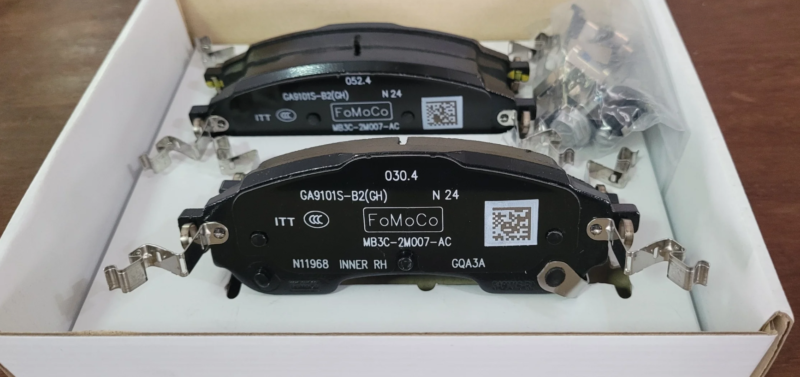
When it comes to maintaining your Ford Ranger, choosing the right brake pads is crucial for safety and performance. Whether you use your truck for daily commuting, off-road adventures, or heavy towing, the demands on your braking system vary significantly.
This guide explores the top brake pad options tailored to the Ford Ranger, breaking down key factors like material composition, stopping power, dust production, and noise levels.
From premium ceramic pads for smooth, quiet operation to high-performance semi-metallic choices for extreme conditions, we’ll help you select the best match for your driving style and budget, ensuring reliable stopping power when you need it most.
- Best Brake Pads for Ford Ranger: Top Picks for Safety and Performance
- Maximizing Brake Performance and Longevity for Your Ford Ranger
- Evaluating Semi-Metallic Brake Pads for Towing and Off-Road Use
- Choosing Ceramic Brake Pads for Quiet, Low-Dust Daily Driving
- Understanding Organic Brake Pads for Budget-Friendly City Commutes
- Selecting the Correct Pad Material Based on Your Ranger’s Year and Trim
- Installation Tips and Bedding-In for Optimal Brake Pad Lifespan
- Frequently Asked Questions
Best Brake Pads for Ford Ranger: Top Picks for Safety and Performance
When selecting the best brake pads for Ford Ranger, it is crucial to consider factors such as driving habits, terrain, and budget. For daily commuting, ceramic brake pads are an ideal choice due to their low dust output and quiet operation.
For off-road or heavy-duty use, semi-metallic pads offer superior heat dissipation and durability. Understanding these distinctions helps you choose a set that balances stopping power with longevity, ensuring your Ford Ranger remains reliable in all conditions.
Ceramic Brake Pads: Quiet and Low Dust
Ceramic brake pads, such as those from Akebono ProACT Ultra-Premium, are composed of dense ceramic fibers mixed with copper filaments. They are renowned for their extremely low brake dust production, which keeps your Ford Ranger's wheels cleaner longer.
These pads also operate quietly, with minimal noise and vibration, making them perfect for daily city driving and highway commutes. However, they may not be the best choice for extreme towing or off-road conditions, as they can fade under intense, sustained heat.
Semi-Metallic Brake Pads: Durable for Towing and Off-Road
For Ford Ranger owners who frequently tow trailers or tackle rugged terrain, semi-metallic brake pads like the Power Stop Z36 Truck and Tow are a top contender. These pads are made from a blend of metals such as steel wool and iron, offering exceptional heat resistance and bite.
They provide reliable stopping power under heavy loads and in wet conditions. The trade-off is increased brake dust and potential for rotor wear, but for demanding applications, their durability is unmatched.
Organic Brake Pads: Budget-Friendly and Gentle on Rotors
Organic brake pads, such as the Bendix CT-3, are made from natural materials like rubber, glass, and resin. They are gentle on rotors, reducing the risk of warping, and offer a smooth, quiet braking feel.
These pads are ideal for light-duty use and older Ford Ranger models where cost is a primary concern. Their main limitation is faster wear and a tendency to fade under high heat, making them unsuitable for aggressive driving or heavy towing.
| Brake Pad Type | Best For | Key Advantage | Key Disadvantage |
|---|---|---|---|
| Ceramic | Daily driving, city commuting | Low dust, quiet operation | May fade under extreme heat |
| Semi-Metallic | Towing, off-road, heavy use | High heat resistance, strong bite | More dust, can wear rotors faster |
| Organic | Light-duty, older models, budget | Gentle on rotors, affordable | Short lifespan, heat fade |
Maximizing Brake Performance and Longevity for Your Ford Ranger
When selecting the best brake pads for your Ford Ranger, it is crucial to consider driving habits, terrain, and material composition to ensure optimal stopping power and durability. Semi-metallic pads are popular for their heat resistance and durability, making them ideal for heavy-duty use or towing.
Ceramic pads offer quieter operation and less dust, suiting daily commuting and lighter loads. Meanwhile, organic pads provide a softer bite but wear faster, typically used for city driving. Matching pad type to your Ranger’s specific model year and trim level prevents rotor damage and enhances safety. Proper installation and bedding-in further extend pad life.
Ignoring these factors can lead to brake fade or premature wear. Always prioritize reputable brands and genuine specifications for consistent performance.
This content may interest you! Ford Ranger Maintenance Checklist
Evaluating Semi-Metallic Brake Pads for Towing and Off-Road Use
For Ford Ranger owners who frequently tow trailers or venture off-road, semi-metallic brake pads offer superior heat dissipation and friction under high-stress conditions. These pads contain metal fibers that enhance bite and withstand higher temperatures without fading.
However, they tend to produce more brake dust and may cause rotor wear over time. Models like the Power Stop Z36 or EBC Yellowstuff are engineered for extreme duty, providing consistent performance on steep grades or loose terrain.
Installation requires ensuring compatibility with the Ranger’s brake system to avoid noise or vibration. Regular inspection is advised to monitor pad thickness.
Choosing Ceramic Brake Pads for Quiet, Low-Dust Daily Driving
Ceramic brake pads are the top choice for Ford Ranger drivers seeking smooth, quiet operation and minimal wheel dust. Their friction material, made from ceramic fibers and copper, delivers consistent stopping power across all temperatures without the harshness of metal.
Brands like Akebono ProACT or Bosch QuietCast are engineered to reduce noise and prolong rotor life, ideal for pavement use. While ceramic pads may not handle extreme heat like semi-metallics, they excel in urban commuting and light hauling. They also produce less brake dust, keeping wheels cleaner. Ensure they match your Ranger’s brake caliper design for proper fitment.
Understanding Organic Brake Pads for Budget-Friendly City Commutes
Organic brake pads, made from glass, rubber, and Kevlar, are a cost-effective solution for Ford Ranger drivers who primarily navigate city streets. They provide a soft, quiet brake feel with minimal noise, but wear down faster than other types due to their softer composition.
These pads are gentle on rotors, reducing the risk of scoring. However, they are not recommended for heavy towing or high-speed braking due to faster fade under heat. Options like Raybestos Element3 work well for light-duty use. Regular replacement is necessary, making them best for low-mileage urban driving.
Selecting the Correct Pad Material Based on Your Ranger’s Year and Trim
The best brake pads for a Ford Ranger vary by model year and trim level, as braking systems evolved significantly over generations. For 1998-2012 Rangers, older designs often favor semi-metallic pads due to simpler calipers. 2019-2024 Rangers may require low-copper ceramic pads to meet modern environmental standards.
High-performance trims like the Raptor or Tremor demand pads with higher heat thresholds, such as EBC Greenstuff. Always verify rotor size and caliper type using your VIN before purchasing. Ignoring these specs can lead to improper fitment reduced braking efficiency.
Installation Tips and Bedding-In for Optimal Brake Pad Lifespan
Proper installation and bedding-in are essential to maximize the lifespan of your Ford Ranger’s brake pads. Begin by cleaning the rotor surface to remove any residual oil or rust. Use high-temperature brake lubricant on caliper slide pins and pad backing to prevent squealing.
During bedding-in, perform 10-15 moderate stops from 30 mph to 0 mph without locking wheels, then allow the brakes to cool. This transfers a uniform layer of pad material to the rotors, ensuring consistent friction. Avoid hard braking for the first 200 miles to prevent glazing. Regular inspection of pad thickness every 5,000 miles helps catch uneven wear early.
Frequently Asked Questions
What are the best brake pad materials for a Ford Ranger for daily driving?
Ceramic brake pads are the best choice for daily driving a Ford Ranger. They offer quiet operation, produce very little brake dust, and provide consistent stopping power across a wide temperature range. While semi-metallic pads offer stronger initial bite, ceramic pads are preferred for their longer lifespan and minimal wear on the rotor. They also perform well under normal commuting conditions and are the most common upgrade for street-driven trucks.
Should I choose semi-metallic or ceramic brake pads for my Ford Ranger if I tow a trailer?
For a Ford Ranger used for towing, semi-metallic brake pads are generally the better option. They have a higher friction coefficient and handle heat better than ceramic pads, which prevents brake fade when carrying heavy loads. The metallic composition provides excellent stopping power under extreme temperatures and repeated hard braking. However, they will produce more dust and noise. If you tow only occasionally, high-quality ceramic pads may suffice.
How often should I replace the brake pads on my Ford Ranger?
Under normal driving conditions, Ford Ranger brake pads typically last between 30,000 and 50,000 miles. However, towing, off-road driving, or stop-and-go traffic can significantly reduce this lifespan. It's crucial to inspect the pads every oil change or 5,000 miles and replace them when the friction material is 3mm or less thick. Listen for squealing or grinding noises that indicate wear indicators have engaged, requiring immediate replacement.
This content may interest you! Best Batteries for Ford Ranger Replacement
Are there specific brake pad brands recommended for the Ford Ranger?
Several high-quality brands are specifically recommended for the Ford Ranger. For daily drivers, Akebono and Wagner ThermoQuiet offer excellent performance and low dust. For towing or off-road, Power Stop Z36 and EBC Yellowstuff provide superior heat dissipation and stopping power. OEM replacement options from Motorcraft ensure factory-grade performance. Always choose pads formulated for your truck's specific year and trim level to ensure proper fitment and safety.
Leave a Reply