
Kia Cerato Problems: Common Issues, Reliability, and What Owners Should Know
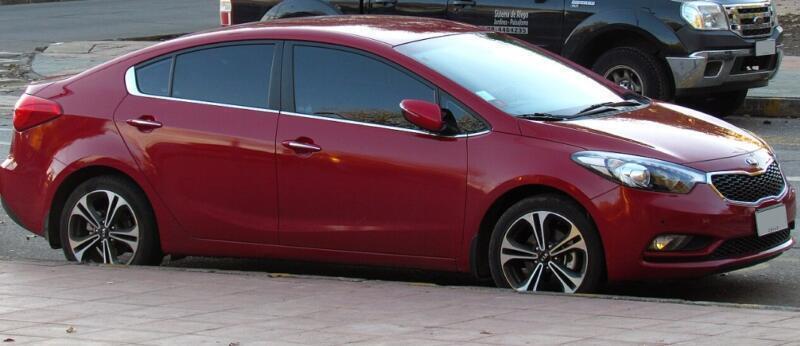
The Kia Cerato has spent years quietly doing what a good compact car should do: start in the morning, carry the family, survive the daily commute, and avoid draining the owner's bank account every few months. Depending on where we live, we may also know essentially the same model as the Kia Forte, but the Cerato badge has become particularly familiar in markets such as Australia, New Zealand, and parts of Asia.
Does that mean the Cerato is trouble-free? Of course not. No car is.
As these vehicles accumulate kilometres, certain Kia Cerato problems become more likely to appear. Some are little more than irritating rattles or aging electronics. Others, particularly engine, steering, or transmission symptoms, deserve immediate investigation.
The reassuring part is that the Cerato has generally developed a respectable reputation for durability. Older used-car reviews have described its engines and drivetrains as generally robust, while later 2.0-litre naturally aspirated versions have also been regarded as relatively straightforward mechanically.
So, rather than declaring the Cerato either "reliable" or "unreliable," let's look beneath the bonnet and examine where trouble actually tends to appear.
- Are Kia Ceratos Reliable?
- Most Common Kia Cerato Problems at a Glance
- Kia Cerato Engine Problems
- Kia Cerato Automatic Transmission Problems
- Kia Cerato Manual Clutch Problems
- Kia Cerato Steering Problems
- Suspension Knocks and Rattles
- Kia Cerato Brake Problems
- Air-Conditioning Problems
- Battery and Starting Problems
- Kia Cerato Electrical Problems
- Kia Cerato Warning Lights
- Fuel Door Release Problems
- Interior Rattles and Build Quality
- Older Kia Cerato Problems: 2004–2008
- Kia Cerato Problems: 2009–2012
- Kia Cerato Problems: 2013–2018
- Kia Cerato Problems: 2019 and Newer Models
- What Is the Worst Kia Cerato Problem?
- How Many Kilometres Can a Kia Cerato Last?
- How to Prevent Common Kia Cerato Problems
- What to Check Before Buying a Used Kia Cerato
- Is a Kia Cerato Expensive to Repair?
- Should You Avoid the Kia Cerato?
- Kia Cerato Reliability: The Bottom Line
- Frequently Asked Questions About Kia Cerato Problems
Are Kia Ceratos Reliable?
Broadly speaking, yes. A properly maintained Kia Cerato can be a dependable everyday car.
That's an important qualifier, though: properly maintained.
Cars are a little like teeth. Ignore them for years and suddenly a cheap routine service becomes an expensive repair. Ceratos are no different. Oil changes, cooling-system maintenance, transmission servicing, brake inspections, and early diagnosis of strange noises can significantly influence long-term reliability.
Used-car reports covering older Ceratos have generally described their engines, transmissions, and drivetrains as sturdy, while highlighting maintenance history as one of the most important things used buyers should examine.
That gives us a useful starting point: the Cerato isn't inherently a problem car, but individual examples can become troublesome when servicing has been neglected.
Most Common Kia Cerato Problems at a Glance
Owners researching a used Cerato should pay particular attention to:
- Engine ticking, rough running, or abnormal oil consumption
- Engine sludge on poorly maintained older vehicles
- Rough idle or hesitation
- Automatic transmission hesitation or harsh shifting
- Manual clutch wear
- Steering noises or steering-rack wear
- Suspension knocks and rattles
- Brake wear or dragging rear brakes
- Air-conditioning compressor problems
- Battery and starting problems
- Infotainment or audio-system faults
- Sensors and warning lights
- Interior rattles as the vehicle ages
- Fuel-door release problems on some older cars
Not every Cerato develops these issues. In fact, many examples run for years without major mechanical repairs. The key is recognizing symptoms before a minor fault begins inviting its expensive friends over.
Kia Cerato Engine Problems
The engine is naturally where most used-car buyers become nervous.
Fortunately, many Cerato engines are relatively conventional naturally aspirated four-cylinder petrol units. Their simplicity can be an advantage compared with increasingly complicated turbocharged powertrains.
Still, several engine-related symptoms deserve attention.
Engine Ticking or Tapping Noise
A ticking sound is one of the more frequently discussed Kia Cerato engine problems, particularly on older high-mileage examples.
Don't automatically assume the engine is dying. Petrol engines naturally produce mechanical noises from injectors, valve gear, pumps, and other components.
However, persistent ticking can occasionally indicate problems with the valvetrain or lubrication system.
CarsGuide has specifically noted that, on an older Cerato, ticking may be associated with oil sludge affecting hydraulic lash adjusters, particularly where oil-change intervals have previously been neglected.
Why Oil Changes Matter So Much
Old engine oil gradually collects contaminants and loses its ability to lubricate effectively. Stretch oil-change intervals far enough and deposits can begin accumulating inside narrow oil passages.
That's bad news.
We should therefore be suspicious of a used Cerato with:
- No service history
- Extremely dark or thick engine oil
- Loud ticking after start-up
- Oil-pressure warnings
- Sludge visible under the oil cap
- Evidence that servicing was repeatedly delayed
A comprehensive service history is worth far more than a freshly polished dashboard.
Rough Idle and Engine Hesitation
Another complaint we may encounter is a Cerato that shakes, hesitates, or idles unevenly.
Unfortunately, there isn't one universal culprit.
Possible causes include worn spark plugs, ignition-coil problems, dirty throttle components, vacuum leaks, contaminated injectors, intake sensors, cooling-system sensors, fuel-delivery issues, catalytic-converter restriction, or mechanical engine problems.
That's why blindly replacing parts usually isn't a great strategy.
A proper diagnosis should begin with basics: fault-code scanning, ignition performance, fuel delivery, air intake, compression, and relevant sensor data. CarsGuide similarly notes that rough running may originate from ignition, fuel, sensor, cooling, exhaust, or mechanical faults rather than one Cerato-specific component.
Oil Consumption
All combustion engines consume at least tiny amounts of oil, but substantial or rapidly increasing consumption deserves attention.
Check the dipstick regularly. Don't simply rely on a dashboard warning light.
Excessive consumption might result from external leaks, worn internal components, piston-ring problems, valve-seal wear, or other mechanical faults.
If we're buying a used Cerato, we should ask the owner whether oil needs topping up between services. A vague answer like "they all do that" shouldn't automatically satisfy us.
Engine Recall Concerns
Recall campaigns can vary dramatically by model year, engine, VIN, and country. Certain Cerato vehicles have been subject to engine-related campaigns in some markets, including issues involving piston-ring manufacturing specifications.
This does not mean every Cerato or every 2.0-litre engine has the same defect.
The smart approach is simpler: check the car's VIN against Kia's official recall database or ask an authorized Kia dealer to confirm whether outstanding campaigns apply. Kia itself provides VIN-based recall checking in supported markets.
Kia Cerato Automatic Transmission Problems
Automatic transmissions tend to generate frightening search results because transmission repairs can be expensive.
Yet Cerato automatics have generally earned a decent reputation, especially the later conventional six-speed units. Contemporary reviews of the 2018 Cerato, for instance, spoke positively about the durability reputation of Kia's automatic transmission.
That doesn't make individual failures impossible.
Harsh or Delayed Gear Changes
Watch for:
- Delayed engagement into Drive or Reverse
- Noticeable thumps when selecting a gear
- Harsh shifts while accelerating
- Gear hunting
- Engine revs rising without matching acceleration
- Transmission warning messages
- Fluid leaks
- Unusual whining or grinding noises
On older models with four-speed automatic transmissions, gear hunting can be more noticeable simply because the gearbox has fewer ratios available. Six-speed units introduced later provide a more modern driving experience.
A slightly busy transmission isn't necessarily broken. Slipping, banging, delayed engagement, or warning lights are another story.
Should We Change the Transmission Fluid?
Follow the maintenance requirements applicable to the exact model, transmission, climate, and operating conditions.
Transmission fluid has a brutal job. It lubricates components, manages heat, transfers hydraulic pressure, and carries microscopic wear particles.
Ignoring fluid condition forever because somebody described the transmission as "sealed" can be risky. If we buy a high-mileage used Cerato without documentation, a specialist should inspect the transmission before we decide what servicing is appropriate.
Kia Cerato Manual Clutch Problems
Manual Ceratos remove some automatic-transmission complexity, but they introduce a wear component: the clutch.
Clutch life depends enormously on driving style.
City traffic, hill starts, towing, resting a foot on the clutch pedal, and holding the vehicle on inclines using clutch slip can dramatically shorten its lifespan.
Signs of clutch wear include:
- Engine revs rising without proportional acceleration
- A high clutch engagement point
- Burning smells
- Difficulty changing gears
- Shudder when moving away
- Abnormal noises when pressing the clutch pedal
A clutch can wear naturally without indicating that the entire car is unreliable.
Kia Cerato Steering Problems
Steering should feel predictable and consistent. Any sudden change deserves attention.
Some older Ceratos have generated reports involving steering-rack wear or faults.
Symptoms of Steering-Rack Wear
Listen and feel for:
- Knocking when turning
- Excessive free play in the steering wheel
- Uneven steering response
- Clunks over bumps
- Fluid leakage on hydraulically assisted systems
- Abnormally heavy steering
- Steering that does not naturally return toward center
Remember that a knock doesn't automatically mean the steering rack needs replacing. Worn tie-rod ends, ball joints, suspension bushes, strut mounts, and other components can produce similar noises.
This is why diagnosis matters.
Suspension Knocks and Rattles
As Ceratos age, suspension noise may become one of the more noticeable ownership complaints.
Rubber bushes harden. Shock absorbers wear. Ball joints develop play. Links loosen. Potholes do what potholes have been doing to cars since approximately the dawn of civilization.
A clunk over broken roads could originate from:
- Sway-bar links
- Control-arm bushes
- Strut mounts
- Shock absorbers
- Ball joints
- Steering components
None necessarily represents a catastrophic defect, but repeated knocking should not be ignored.
How to Test the Suspension Before Buying
Take the car somewhere imperfect.
A dealership's freshly paved road can hide an orchestra of suspension noises.
Drive over rougher surfaces at low speed with the radio switched off. Listen for knocking, creaking, metallic rattling, and repeated movement after larger bumps.
The car should settle quickly rather than bouncing like a trampoline.
This content may interest you! Is Kia Cerato Reliable? A Complete Reliability Guide
Kia Cerato Brake Problems
Cerato braking systems are conventional, but conventional components still wear.
Brake pads, discs, fluid, calipers, and parking-brake components all require periodic attention.
One issue reported on some older Ceratos involved an over-adjusted handbrake contributing to rear brake-pad drag and premature wear.
Warning Signs We Shouldn't Ignore
Brake trouble may produce:
- Steering-wheel vibration when braking
- Grinding noises
- Squealing
- Vehicle pulling sideways
- Soft brake pedal
- Excessive pedal travel
- Burning smell from one wheel
- Brake or ABS warning lights
Grinding is particularly important. Once pad material is exhausted, metal can contact metal, quickly transforming an inexpensive brake-pad job into a larger disc-and-pad replacement.
Air-Conditioning Problems
Nothing exposes an aging air conditioner quite like summer.
Older Ceratos can experience the same air-conditioning problems found in many aging vehicles: loss of refrigerant, compressor wear, condenser damage, faulty pressure sensors, electrical problems, or fan faults.
Compressor seizure has also been documented in owner troubleshooting discussions involving older Ceratos.
Air Conditioner Not Blowing Cold
Before condemning the compressor, a technician should check the system properly.
Possible causes include:
- Low refrigerant due to a leak
- Compressor failure
- Blown fuse
- Faulty relay
- Condenser damage
- Cooling-fan problems
- Temperature sensor faults
- Blend-door actuator problems
Simply refilling refrigerant every year isn't really a repair if refrigerant keeps escaping.
Battery and Starting Problems
If a Cerato suddenly clicks when we turn the key or press the start button, don't immediately prepare for an engine rebuild.
Sometimes the humble 12-volt battery is the villain.
Weak batteries can cause slow cranking, clicking, intermittent electronics, warning lights, and strange behavior from modern control modules.
A ticking or clicking sound on cold startup has even been linked in Cerato troubleshooting advice to a weak battery.
Common Starting Symptoms
A tired battery may cause:
- Slow engine cranking
- Rapid clicking
- Dashboard lights dimming while starting
- Intermittent keyless-entry behavior
- Start-stop problems where equipped
- Multiple seemingly unrelated warning messages
Before replacing expensive components, test battery voltage, cranking performance, charging voltage, and terminal condition.
Kia Cerato Electrical Problems
Modern vehicles contain a surprisingly complicated nervous system of control modules, sensors, switches, communication networks, and wiring.
The Cerato is relatively straightforward compared with some luxury vehicles, but age can still produce annoying electrical issues.
Possible problems include malfunctioning switches, sensors, central locking, reversing cameras, power windows, infotainment systems, and intermittent dashboard warnings.
Infotainment and Audio Faults
Older Cerato used-car reviews have specifically mentioned audio-unit failures as something buyers should test.
Before purchasing a used car, spend five minutes pressing buttons.
Test:
- Radio
- Bluetooth
- USB connections
- Touchscreen
- Steering-wheel controls
- Reversing camera
- Speakers
- Navigation where fitted
- Apple CarPlay or Android Auto where equipped
It's much easier to discover a dead touchscreen before handing over the money.
Kia Cerato Warning Lights
A warning light is the car tapping us on the shoulder.
Sometimes it's saying, "check this when convenient."
Sometimes it's screaming, "stop driving."
The severity depends on the symbol.
Check Engine Light
A steady check-engine light can result from dozens of faults, ranging from minor emissions issues to more important engine-management problems.
A flashing engine light is considerably more urgent because it may indicate severe misfiring capable of damaging the catalytic converter.
Don't diagnose a Cerato from the symbol alone. Scan the diagnostic trouble codes and interpret them alongside symptoms and live data.
ABS and Stability-Control Lights
ABS and stability-control warnings may arise from wheel-speed sensor faults, damaged wiring, low voltage, or problems elsewhere in the system.
Standard braking may remain available in some fault conditions, but important electronic assistance can be disabled.
That deserves diagnosis rather than a piece of black tape over the dashboard.
Fuel Door Release Problems
Here's an oddly specific older-Cerato annoyance.
Used-car guidance has noted that fuel-flap release cables can stretch, making the fuel door difficult to open.
This is hardly an engine-destroying catastrophe.
It can, however, become spectacularly irritating when the fuel gauge is nearly empty and the door refuses to cooperate.
Check the fuel flap during a used-car inspection.
Interior Rattles and Build Quality
Older budget cars often develop cabin noises as trim clips, plastics, seats, and door components age.
Ceratos aren't immune.
A few squeaks don't necessarily matter mechanically, but excessive rattling can sometimes point toward previous accident damage or poor repair work. Used-car guidance has specifically suggested investigating unusual rattles for evidence of prior crashes.
Check:
- Panel gaps
- Paint consistency
- Overspray
- Door alignment
- Boot-floor deformation
- Uneven tyre wear
- Headlight manufacture dates where visible
A shiny used car can still have a complicated past.
Older Kia Cerato Problems: 2004–2008
First-generation cars are now old enough that condition matters far more than reputation.
At this stage, age-related deterioration becomes the dominant factor.
Potential concerns include cooling-system degradation, engine oil leaks, worn suspension bushes, steering wear, air-conditioning problems, aging automatic transmissions, electrical faults, degraded engine mounts, and general rubber-component deterioration.
A pristine older Cerato with meticulous records may be a far better purchase than a newer example that has been neglected.
Mileage tells us how far a car travelled.
Maintenance tells us how it travelled.
Kia Cerato Problems: 2009–2012
This generation generally earned reasonable feedback for durability, and owner reports summarized by CarsGuide described engines, gearboxes, and drivetrains as broadly dependable.
Nevertheless, age now means we should watch carefully for:
- Engine ticking
- Neglected oil changes
- Suspension wear
- Steering problems
- Four-speed automatic behavior on earlier examples
- Clutch wear
- Aging air-conditioning components
- Audio-system faults
- Fuel-release cable issues
The switch to six-speed manual and automatic transmissions around the 2011 update also made later examples more appealing from a drivability standpoint.
Kia Cerato Problems: 2013–2018
Third-generation Ceratos represent an attractive used-car sweet spot for many buyers.
They feel significantly more modern than early cars while remaining mechanically conventional in many specifications.
Again, maintenance history matters.
We should inspect for rough idle, unusual engine noises, neglected fluids, steering and suspension wear, battery condition, infotainment operation, air-conditioning performance, and evidence of accident repairs.
The naturally aspirated engines and conventional automatic transmissions used in many versions have generally developed a positive reliability reputation.
That simplicity is arguably one of this generation's biggest advantages.
Kia Cerato Problems: 2019 and Newer Models
Later Ceratos feel more sophisticated, but added electronics introduce additional possibilities for software, sensor, camera, and driver-assistance quirks.
Depending on trim and market, these vehicles may include lane assistance, autonomous emergency braking, speed-sign recognition, adaptive systems, larger touchscreens, and more complex vehicle electronics.
False or unwanted alerts don't necessarily indicate a mechanical failure.
This content may interest you! Toyota RAV4 Problems: Common Issues, Years to Check, and Tips Before Buying
For example, Cerato troubleshooting guidance has documented situations where speed-sign recognition can generate alerts based on signs detected on adjacent or side roads.
With newer cars, software settings and calibration can sometimes matter almost as much as spanners.
What Is the Worst Kia Cerato Problem?
There isn't one universal failure affecting every generation.
That's actually good news.
Engine damage is naturally the most serious scenario because repair or replacement can exceed the economic value of an older car. Steering and braking faults also demand immediate attention because they affect safety.
But the typical used Cerato buyer is more likely to encounter ordinary aging-car issues than dramatic catastrophic failures.
The largest risk is often buying a poorly maintained example.
Imagine two identical Ceratos with 150,000 km.
One received every scheduled service, quality fluids, preventative repairs, and sensible driving.
The other survived on overdue oil changes, cheap tyres, warning lights, and optimism.
They're technically the same model.
They're definitely not the same car.
How Many Kilometres Can a Kia Cerato Last?
There is no fixed expiration mileage.
A Cerato doesn't reach a certain number on the odometer and suddenly turn into a pumpkin.
With appropriate maintenance, a naturally aspirated petrol compact car can potentially cover substantial mileage. Whether keeping it remains economical depends on service history, driving environment, corrosion, accident history, engine condition, transmission condition, and the accumulation of age-related repairs.
Instead of asking only, "How many kilometres does it have?" we should ask:
What happened during those kilometres?
Highway mileage is often gentler than endless short urban journeys involving cold starts, potholes, speed bumps, and stop-start traffic.
How to Prevent Common Kia Cerato Problems
Preventative maintenance isn't glamorous, but neither is waiting beside a broken car.
A sensible ownership routine should include regular engine-oil and filter changes at the appropriate intervals, periodic fluid inspections, tyre-pressure checks, brake inspections, cooling-system monitoring, battery testing, and prompt investigation of leaks or unusual noises.
We should also:
- Keep receipts and service records.
- Check engine oil between scheduled services.
- Never ignore overheating.
- Investigate new rattles or knocks.
- Avoid driving for months with warning lights illuminated.
- Use the correct fluids and replacement parts.
- Check recall status using the VIN.
- Let the engine reach normal operating temperature regularly.
- Don't abuse a cold engine.
- Have developing transmission symptoms diagnosed early.
Think of maintenance as paying small bills before they grow interest.
What to Check Before Buying a Used Kia Cerato
A careful pre-purchase inspection can save thousands.
Start the Engine Cold
Ask the seller not to warm the car before we arrive.
A cold start can reveal:
- Timing or valvetrain noises
- Weak battery performance
- Exhaust smoke
- Rough idle
- Slow starting
- Warning lights
If the engine is mysteriously hot when we arrive first thing in the morning, it's fair to wonder why.
Check the Service History
We want documented evidence rather than verbal promises.
Pay particular attention to oil servicing because poor maintenance can contribute to sludge and valvetrain problems on older engines.
Drive Every Gear
For an automatic, test:
- Reverse engagement
- Drive engagement
- Light acceleration
- Harder acceleration
- Downshifts
- Hill driving
- Low-speed maneuvering
For a manual, check clutch engagement, gearbox synchronizers, pedal feel, and slipping under load.
Listen Carefully
Turn the stereo off.
Listen for knocks from the suspension, steering clunks, wheel-bearing hum, brake grinding, interior rattles, transmission noises, and ticking from the engine.
Cars speak.
We just have to stop the music long enough to hear them.
Arrange an Independent Inspection
If we're serious about buying the car, a pre-purchase inspection by an independent mechanic is usually money well spent.
The mechanic can uncover leaks, worn suspension, brake problems, accident repairs, diagnostic fault codes, cooling-system issues, and other defects that aren't obvious during a ten-minute test drive.
Is a Kia Cerato Expensive to Repair?
Usually, the Cerato's relatively straightforward design works in its favor.
Routine items such as brakes, filters, spark plugs, batteries, suspension components, and servicing are generally less intimidating than maintaining a complicated premium European vehicle.
Major failures are different.
Engines, transmissions, air-conditioning compressors, electronic steering components, and infotainment systems can still become expensive.
This is why purchase price should never consume our entire car budget.
Keep some money aside for maintenance.
A used car without a repair fund is like going camping without checking the weather. Maybe everything goes beautifully. Maybe we're eating wet sandwiches in the dark.
Should You Avoid the Kia Cerato?
For most buyers, no.
The existence of online searches for Kia Cerato problems doesn't automatically make the Cerato unreliable. Search any popular vehicle followed by the word "problems" and the internet will quickly convince us that civilization is held together by check-engine lights.
The Cerato's strengths are its relatively simple engineering, widespread availability, practical dimensions, reasonable running costs, and generally solid reliability record in many versions.
What we should avoid isn't necessarily the model.
We should avoid the wrong individual car.
Walk away from a Cerato showing several of these warning signs:
- Missing service records
- Severe engine noise
- Transmission slipping
- Persistent overheating
- Structural accident damage
- Multiple warning lights
- Heavy oil or coolant leaks
- Suspiciously fresh oil immediately before sale
- Uneven tyre wear combined with steering problems
- Seller unwilling to permit an independent inspection
There will almost always be another Cerato.
Kia Cerato Reliability: The Bottom Line
The Kia Cerato is not a flawless car, but neither is it a mechanical horror story waiting to happen.
Many of its common issues are exactly what we'd expect from compact cars as kilometres and years accumulate: batteries weaken, suspension components wear, air conditioners age, brakes need replacement, electronics occasionally misbehave, and neglected engines become less forgiving.
What makes a real difference is maintenance.
A well-serviced Cerato with a clean history can make a sensible used-car purchase. A neglected one can turn an attractive sticker price into the opening chapter of a very expensive story.
So when we're shopping, we shouldn't obsess over finding a Cerato with absolutely no faults.
We should find one whose history makes sense, whose mechanical condition supports that history, and whose previous owner appears to have treated maintenance as a responsibility rather than a suggestion.
Do that, and the Cerato can remain what it was designed to be: a straightforward, practical car that simply gets on with the job.
Frequently Asked Questions About Kia Cerato Problems
1. What are the most common Kia Cerato problems?
Commonly reported or age-related concerns include engine ticking or rough running, suspension and steering wear, battery problems, air-conditioning faults, brake wear, aging infotainment systems, and occasional transmission symptoms. The exact risks vary substantially by model year, engine, mileage, and maintenance history.
2. Does the Kia Cerato have engine problems?
Some individual Ceratos experience engine issues, particularly when maintenance has been neglected. Ticking noises, rough idle, oil-consumption concerns, and lubrication-related issues deserve investigation. Certain vehicles have also been included in engine-related recall campaigns in specific markets, so owners should verify recall status using the VIN rather than assuming every Cerato is affected.
3. Does the Kia Cerato have transmission problems?
Cerato transmissions are generally regarded as reasonably durable, especially conventional six-speed automatic units used in many later models. Nevertheless, delayed engagement, slipping, harsh shifts, unusual noises, or warning messages should be inspected promptly because individual transmissions can fail regardless of a model's overall reputation.
4. Is a used Kia Cerato worth buying?
Yes, a used Cerato can be a good purchase when it has a documented service history, drives correctly, passes an independent inspection, and has no significant unresolved recalls or accident damage. Condition and maintenance history matter more than simply choosing the lowest-mileage example.
5. What should I check before buying a Kia Cerato?
Start it from cold, examine its service records, check the engine oil and coolant, test every transmission gear, listen for suspension and steering noises, operate all electronics and air conditioning, inspect for accident damage, scan for diagnostic faults where possible, check the VIN for recalls, and arrange an independent pre-purchase inspection.
This content may interest you!Toyota RAV4 Hybrid Battery Replacement Cost New Zealand: What Kiwi Owners Should Really Expect
Leave a Reply