
Mitsubishi Triton Maintenance Cost New Zealand: Complete Ownership Guide
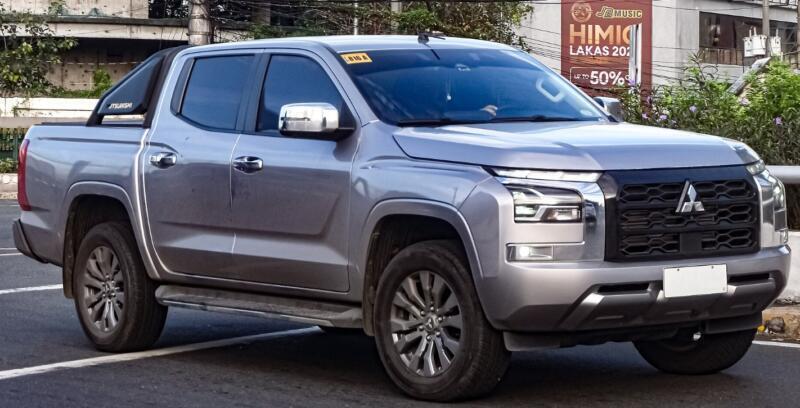
The Mitsubishi Triton has long been a familiar sight across New Zealand. We see it hauling tools through Auckland traffic, towing boats toward the Coromandel, carrying fencing gear on rural properties, and tackling muddy South Island tracks without making a fuss.
It is a capable, practical ute—but capability does not make maintenance free.
So, how much does a Mitsubishi Triton cost to maintain in New Zealand?
As a realistic starting point, we should budget approximately NZ$450 to NZ$900 per year for routine servicing. Once tyres, warrant of fitness inspections, replacement parts, repairs, road user charges, registration, and unexpected workshop visits enter the picture, the broader annual running budget may reach NZ$2,500 to NZ$5,500 before fuel and insurance.
That is a broad range because no two Tritons live the same life. A late-model ute cruising mainly on sealed roads will usually cost less to maintain than an older 4WD regularly towing a heavy trailer, crossing paddocks, or breathing dust on forestry tracks.
In this guide, we will unpack the likely Mitsubishi Triton maintenance cost in New Zealand, explain which services become expensive, compare dealer and independent workshop options, and show how we can avoid preventable repair bills.
Important: The figures below are practical New Zealand estimates rather than fixed quotations. Labour rates, parts prices, model years, engine types, workshop policies, and vehicle condition can all alter the final invoice.
- Average Mitsubishi Triton Maintenance Cost in New Zealand
- How Often Does a Mitsubishi Triton Need Servicing?
- Routine Service Cost by Mileage
- New Triton Versus Used Triton Maintenance Costs
- Dealer Servicing Versus Independent Workshops
- Engine-Oil and Filter Costs
- Fuel-Filter Replacement Costs
- Brake Maintenance Costs
- Mitsubishi Triton Tyre Replacement Cost
- Suspension and Steering Repair Costs
- Transmission and Driveline Servicing
- Cambelt or Timing-System Costs
- Diesel Particulate Filter and EGR Costs
- Battery and Electrical-System Costs
- Warrant of Fitness, Registration, and Road User Charges
- Annual Mitsubishi Triton Maintenance Budget
- Five-Year Triton Maintenance Cost
- Common Factors That Increase Triton Maintenance Costs
- How to Reduce Mitsubishi Triton Maintenance Costs
- What to Check Before Buying a Used Triton
- Is the Mitsubishi Triton Expensive to Maintain in New Zealand?
- Final Thoughts on Mitsubishi Triton Maintenance Cost in New Zealand
- Frequently Asked Questions
- 1. How much does a Mitsubishi Triton service cost in New Zealand?
- 2. How often should a Mitsubishi Triton be serviced?
- 3. Is dealer servicing more expensive than an independent mechanic?
- 4. What is the most expensive Mitsubishi Triton maintenance item?
- 5. How much should we budget annually for Triton maintenance?
Average Mitsubishi Triton Maintenance Cost in New Zealand
For a Triton in reasonable condition, routine maintenance will generally fall into the following ranges:
| Maintenance item | Estimated New Zealand cost |
|---|---|
| Basic scheduled service | NZ$350–NZ$550 |
| Major scheduled service | NZ$700–NZ$1,300 |
| Warrant of Fitness | NZ$70–NZ$100 |
| Wheel alignment | NZ$90–NZ$150 |
| Replacement battery | NZ$250–NZ$500 |
| Front brake pads | NZ$300–NZ$650 |
| Brake pads and rotors | NZ$700–NZ$1,500 |
| Set of four ute tyres | NZ$1,000–NZ$2,400 |
| Automatic transmission service | NZ$450–NZ$900 |
| Diesel fuel filter replacement | NZ$150–NZ$350 |
| Cambelt replacement, where applicable | NZ$1,000–NZ$2,000+ |
| Diesel particulate filter repair | NZ$800–NZ$4,000+ |
These figures are best treated as budgeting guides. A workshop in central Auckland may charge more per hour than a smaller independent garage in a provincial town. Genuine Mitsubishi parts can also cost more than reputable aftermarket alternatives.
The key point is simple: a Triton is not usually outrageously expensive to maintain, but it is still a heavy diesel ute. Its tyres, brakes, fluids, filters, driveline components, and suspension parts are larger and more heavily loaded than those found in a small hatchback.
How Often Does a Mitsubishi Triton Need Servicing?
The maintenance booklet published for Mitsubishi light commercial vehicles in New Zealand states that applicable Triton models must be serviced every 12 months or 15,000 kilometres, whichever comes first. It also stresses the importance of completing maintenance correctly to preserve warranty coverage.
This means a Triton travelling only 8,000 kilometres each year still needs an annual service. Time matters because engine oil absorbs contaminants, rubber parts deteriorate, batteries age, brake fluid attracts moisture, and corrosion does not care whether the odometer has moved.
The Standard 12-Month or 15,000-Kilometre Service
A regular service will normally include:
- Engine oil replacement
- Oil-filter replacement
- Fluid-level inspections
- Brake inspection
- Tyre inspection and pressure adjustment
- Steering and suspension checks
- Battery and charging-system tests
- Drive-belt inspection
- Diagnostic scan where required
- Road test
- General safety inspection
A straightforward service at an independent workshop may cost around NZ$350 to NZ$500. An authorised dealer service may sit closer to NZ$450 to NZ$650, depending on the model and the work specified in its maintenance schedule.
Dealer pricing may include genuine parts, factory-trained technicians, software updates, detailed inspection procedures, and service-history documentation. An independent specialist may offer lower labour costs and more flexibility over parts.
Neither choice is automatically right for everyone.
Why Some Service Bills Jump Dramatically
Every service is not merely an identical oil change wearing a different date.
At certain kilometre intervals, the schedule may call for extra work such as:
- Fuel-filter replacement
- Air-filter replacement
- Brake-fluid replacement
- Coolant replacement
- Transmission-fluid servicing
- Differential-oil replacement
- Transfer-case fluid replacement
- Valve-clearance checks on applicable engines
- Drive-belt replacement
- More extensive driveline inspections
That is why one visit might cost NZ$450 and the next could climb beyond NZ$1,000. The expensive invoice is not necessarily evidence of overcharging; it may simply coincide with a labour-intensive service interval.
However, we should always request an itemised quotation before authorising the work.
Routine Service Cost by Mileage
The following table gives us a sensible framework for planning. Exact requirements vary between generations, engines, transmissions, and operating conditions.
| Service interval | Likely service type | Typical estimated cost |
| 15,000 km | Standard service | NZ$350–NZ$600 |
| 30,000 km | Standard-plus service | NZ$500–NZ$900 |
| 45,000 km | Standard service | NZ$350–NZ$650 |
| 60,000 km | Major service | NZ$750–NZ$1,300 |
| 75,000 km | Standard service | NZ$400–NZ$700 |
| 90,000 km | Intermediate or major service | NZ$650–NZ$1,200 |
| 105,000 km | Standard service | NZ$400–NZ$750 |
| 120,000 km | Major service | NZ$900–NZ$1,600+ |
The sequence is not universal. Some items may be time-based rather than kilometre-based, while harsh operating conditions can shorten recommended intervals.
Severe Use Can Change the Maintenance Schedule
A Triton used under demanding conditions may need attention sooner. Severe use includes:
- Regular heavy towing
- Frequent short journeys
- Long periods of idling
- Repeated driving on dusty gravel roads
- Mud, saltwater, sand, or river crossings
- Commercial stop-start operation
- Steep off-road driving
- Carrying heavy loads
- Extended low-speed four-wheel-drive use
Think of the normal service schedule as the minimum admission price, not a force field protecting the vehicle from every kind of wear.
New Triton Versus Used Triton Maintenance Costs
A new or nearly new Triton will usually provide more predictable maintenance costs. Most spending should centre on scheduled servicing, consumables, licensing, road user charges, and tyres.
An older Triton can be cheaper to purchase but more expensive to keep mechanically sharp.
Typical Newer-Triton Expenses
During the first few years, likely expenses include:
This content may interest you! Are Audi A3 Expensive to Maintain in New Zealand?
- Scheduled servicing
- Tyres
- Brake pads
- Wheel alignments
- Wiper blades
- Batteries
- Diesel exhaust-system maintenance
- Minor wear items
New Zealand owners should follow the required servicing conditions stated in their warranty and maintenance documents. Missing services, using incorrect fluids, or failing to document maintenance can complicate future warranty claims.
Typical Older-Triton Expenses
Once a Triton passes roughly 150,000 kilometres, we should begin allowing for age-related repairs such as:
- Suspension bushes
- Shock absorbers
- Wheel bearings
- Cooling-system hoses
- Engine mounts
- Alternator or starter-motor faults
- Injector problems
- Turbocharger wear
- EGR-system contamination
- Transmission wear
- Driveshaft or universal-joint issues
- Oil leaks
- Air-conditioning repairs
None of these failures is guaranteed. Nevertheless, buying a used Triton without leaving room in the budget is like heading onto a gravel road without a spare tyre: everything feels fine until it suddenly does not.
Dealer Servicing Versus Independent Workshops
Choosing a workshop can noticeably affect the Mitsubishi Triton maintenance cost in New Zealand.
Advantages of Mitsubishi Dealer Servicing
An authorised Mitsubishi service centre may provide:
- Technicians familiar with current Mitsubishi systems
- Genuine replacement parts
- Access to factory diagnostic equipment
- Software and technical updates
- Recall or service-campaign checks
- Detailed manufacturer-based inspections
- Strong service-history documentation
- Simpler warranty administration
For a new Triton under warranty, dealer servicing may offer valuable convenience and confidence. It can also strengthen the vehicle’s presentation when we later sell it.
Advantages of an Independent Workshop
A reputable independent mechanic may provide:
- Lower hourly labour rates
- More affordable aftermarket parts
- Personal communication with the technician
- Greater flexibility with repair options
- Specialist knowledge of diesel utes
- Easier access in smaller towns
An independent workshop can be an excellent choice, especially for an older Triton. The important part is finding a business that understands modern common-rail diesel engines and uses fluids, filters, and parts meeting the correct specifications.
Which Option Saves More Money?
The cheapest invoice is not always the cheapest outcome.
A cut-price service that misses a failing wheel bearing, contaminated transmission fluid, or blocked cooling system could become painfully expensive later. Likewise, paying dealership rates for every minor task on a high-kilometre work ute may not deliver meaningful additional value.
A balanced strategy often works well:
- Use authorised servicing while the ute is under factory warranty.
- Obtain an itemised estimate before each major service.
- Compare the quote with a reputable Mitsubishi or diesel specialist.
- Keep every invoice and record.
- Never compromise on correct engine oil, filters, or critical driveline fluids.
Engine-Oil and Filter Costs
Diesel engine oil is the lifeblood of a Triton. It lubricates the turbocharger, protects internal components, controls deposits, and helps the engine cope with heavy thermal loads.
A professional oil-and-filter service will commonly cost NZ$250 to NZ$450 when performed as a standalone job. The price depends on oil capacity, oil specification, filter quality, labour, and disposal charges.
Modern diesel engines can be sensitive to unsuitable oil. Where a Triton has a diesel particulate filter, using the wrong product may contribute to ash accumulation or emissions-system trouble.
Saving NZ$40 on unsuitable lubricant can be a false economy with a very long shadow.
Fuel-Filter Replacement Costs
New Zealand Tritons are commonly diesel-powered, and clean fuel is vital to common-rail injection systems. Water, dirt, or fine contamination can damage expensive pumps and injectors.
A diesel fuel-filter replacement may cost approximately NZ$150 to NZ$350. Some services bundle it into the scheduled maintenance price.
Why the Fuel Filter Matters
The fuel system operates at extremely high pressure. An injector is not simply a metal tap dribbling diesel into the cylinder; it is a highly precise component working under punishing conditions.
Ignoring the filter may lead to:
- Difficult starting
- Hesitation
- Reduced power
- Warning lights
- Rough running
- Injector damage
- High-pressure fuel-pump failure
A filter is relatively cheap. A full injection-system repair is not.
Brake Maintenance Costs
A Triton is heavy before we add passengers, cargo, accessories, or a trailer. That weight places considerable demand on the braking system.
Brake-Pad Replacement
Front brake-pad replacement may cost around NZ$300 to NZ$650. The rear setup varies by generation and specification, with some Tritons using rear drum brakes.
Brake Pads and Rotors
Replacing front pads and rotors may cost approximately NZ$700 to NZ$1,500. Premium parts, severe corrosion, seized components, or additional hydraulic work can push the bill higher.
How Towing Affects Brake Wear
Towing accelerates wear, especially when driving through hilly regions. Long downhill sections generate heat, and heat is where brakes start paying the bill for gravity.
We can reduce wear by:
- Maintaining safe following distances
- Using appropriate engine braking
- Avoiding unnecessary late braking
- Ensuring trailer brakes work correctly
- Keeping loads within legal limits
- Inspecting brakes before long towing trips
Mitsubishi Triton Tyre Replacement Cost
A full set of Triton tyres generally costs NZ$1,000 to NZ$2,400, including fitting and balancing. Premium all-terrain or mud-terrain tyres may cost even more.
Tyre prices vary according to:
This content may interest you! Toyota RAV4 Maintenance Schedule
- Wheel diameter
- Load rating
- Speed rating
- Highway, all-terrain, or mud-terrain design
- Brand
- Availability
- Sidewall construction
- Promotional discounts
Highway Tyres
Highway-terrain tyres are usually quieter, lighter, and more fuel-efficient. They suit drivers spending most of their time on sealed roads.
All-Terrain Tyres
All-terrain tyres offer a middle ground. They look tougher, provide more grip on loose surfaces, and remain reasonably civilised on the motorway.
Mud-Terrain Tyres
Mud-terrain tyres favour off-road traction. Their aggressive tread can create more road noise, increase rolling resistance, and wear unevenly when used mostly on asphalt.
How to Make Triton Tyres Last Longer
We should:
- Check pressures at least monthly
- Use the correct pressure for load and use
- Rotate tyres regularly
- Correct wheel alignment promptly
- Inspect suspension wear
- Avoid harsh acceleration
- Remove unnecessary cargo
- Recheck pressures before towing
A NZ$120 alignment can sometimes protect a NZ$1,800 set of tyres. That is one of the better trades in ute ownership.
Suspension and Steering Repair Costs
Tritons used for work or off-roading can gradually wear bushes, ball joints, tie-rod ends, shocks, and wheel bearings.
Possible costs include:
| Repair | Estimated cost |
| Wheel alignment | NZ$90–NZ$150 |
| Shock absorbers, per pair | NZ$600–NZ$1,400 |
| Suspension bush replacement | NZ$300–NZ$1,200 |
| Wheel bearing replacement | NZ$450–NZ$900 per corner |
| Ball-joint or steering repair | NZ$350–NZ$900 |
Lift kits, oversized tyres, steel bull bars, winches, and constant heavy loads may place additional stress on suspension and steering components.
Modifications are not automatically harmful, but the complete setup needs to work as a system. A ute with heavy accessories sitting on unsuitable factory springs can sag like a tired sofa.
Transmission and Driveline Servicing
Automatic transmissions are often treated as though their fluid will last forever. In reality, transmission fluid works hard, particularly when towing or driving off-road.
An automatic transmission service may cost around NZ$450 to NZ$900, depending on the fluid type, required quantity, filter arrangement, and servicing method.
Manual Transmission and Clutch Costs
A manual gearbox may require periodic oil replacement, while the clutch is a wear item.
A clutch replacement could cost approximately NZ$1,800 to NZ$3,500 or more, depending on the generation, flywheel condition, parts selection, and labour.
Four-Wheel-Drive Maintenance
Four-wheel-drive models also contain:
- Front differential oil
- Rear differential oil
- Transfer-case fluid
- Driveshaft joints
- CV joints
- Hubs and related components
These systems need inspection and lubrication. Water crossings make fluid checks particularly important because contaminated differential oil can resemble a milky coffee—and protect gears about as effectively as one.
Cambelt or Timing-System Costs
Timing-system maintenance depends on the Triton’s engine and generation.
Some older engines use a cambelt that requires periodic replacement, while other engines may use a timing chain. We should never assume the system based only on the badge or registration year.
Where a cambelt service is required, the total may reach NZ$1,000 to NZ$2,000 or more when tensioners, pulleys, seals, auxiliary belts, coolant, and a water pump are included.
Replacing the belt on schedule can feel expensive. Rebuilding an engine after belt failure makes the scheduled job look remarkably reasonable.
Diesel Particulate Filter and EGR Costs
Modern diesel emissions equipment can create some of the largest unexpected bills.
Diesel Particulate Filter Maintenance
The diesel particulate filter, or DPF, traps soot and periodically burns it away through regeneration. Regular longer journeys help the system reach the temperature needed for this process.
Repeated short trips may interrupt regeneration and increase the likelihood of blockage.
Potential costs include:
- Diagnostic assessment: NZ$120–NZ$250
- Forced regeneration: NZ$200–NZ$500
- Professional DPF cleaning: NZ$600–NZ$1,200
- Replacement DPF: NZ$2,000–NZ$4,000+
Prices vary substantially, and not every Triton uses an identical system.
EGR-System Cleaning
The exhaust gas recirculation system may accumulate soot and oily deposits. Cleaning can cost around NZ$400 to NZ$1,000, while replacement components may cost more.
Warning signs include:
- Loss of power
- Rough running
- Excessive smoke
- Poor fuel economy
- Engine warning lights
- Limp mode
We should diagnose the cause rather than automatically replacing parts. A warning light is a clue, not a complete verdict.
This content may interest you! Ford Ranger Maintenance Checklist
Battery and Electrical-System Costs
A replacement Triton battery may cost approximately NZ$250 to NZ$500. Stop-start-compatible batteries, if fitted, may be more expensive.
Battery life is influenced by:
- Temperature
- Short trips
- Accessory use
- Winches and driving lights
- Charging-system condition
- Long periods without driving
- Incorrect battery specification
Electrical accessories should be installed carefully. A bargain wiring job can transform a simple lighting upgrade into a scavenger hunt for intermittent faults.
Warrant of Fitness, Registration, and Road User Charges
Mechanical maintenance is only one part of Triton ownership.
Warrant of Fitness
A Warrant of Fitness inspection commonly costs around NZ$70 to NZ$100, although workshop pricing varies. A failed inspection can reveal additional expenses involving tyres, brakes, lights, suspension, glazing, or corrosion.
Vehicle Licensing
New Zealand licensing fees depend on vehicle details and the applicable ACC levy. NZ Transport Agency fee schedules have changed during 2025 and 2026, so owners should use the current official fee calculator or their registration notice rather than relying on an old figure.
Road User Charges
Diesel vehicles operating on New Zealand roads generally require road user charges. The government explains that RUC applies to diesel vehicles and is purchased according to the vehicle’s category and distance travelled.
RUC should not be confused with servicing, but it belongs in the ownership budget. A driver travelling 20,000 kilometres annually will face a much larger total running cost than someone covering 8,000 kilometres, even when their workshop bills are identical.
Current RUC rates should always be checked through the NZ Transport Agency because classifications, transaction fees, and rates may change.
Annual Mitsubishi Triton Maintenance Budget
Let us build three practical ownership scenarios.
Low-Mileage Triton
A privately owned Triton travelling around 10,000 kilometres per year might require:
| Expense | Approximate annual amount |
| Scheduled service | NZ$450 |
| WOF allowance | NZ$80 |
| Tyre and brake reserve | NZ$400 |
| Repair reserve | NZ$500 |
| Registration allowance | Variable |
| RUC | Based on distance and class |
A sensible mechanical-maintenance reserve would be roughly NZ$1,400 to NZ$2,000 annually, excluding fuel, insurance, depreciation, registration, and RUC.
Average-Use Triton
For around 15,000 to 20,000 kilometres per year:
| Expense | Approximate annual amount |
| Scheduled servicing | NZ$500–NZ$900 |
| WOF | NZ$70–NZ$100 |
| Tyre reserve | NZ$500–NZ$800 |
| Brake reserve | NZ$250–NZ$500 |
| Repair reserve | NZ$600–NZ$1,200 |
A realistic mechanical budget may sit around NZ$2,000 to NZ$3,500 per year before fuel, insurance, registration, and RUC.
Commercial or Heavy-Duty Triton
A work ute covering high kilometres, towing frequently, or operating off-road may need:
- More frequent oil changes
- Faster tyre replacement
- Repeated alignments
- More brake maintenance
- Suspension repairs
- Additional driveline-fluid changes
- Higher unexpected-repair reserves
For this type of use, budgeting NZ$3,500 to NZ$6,000 or more annually for servicing, tyres, wear, and repairs would not be unreasonable.
One major injector, turbocharger, transmission, or DPF repair can lift the total beyond that range.
Five-Year Triton Maintenance Cost
Over five years, a newer Triton covering moderate mileage could accumulate approximately:
| Category | Five-year estimate |
| Scheduled servicing | NZ$2,500–NZ$5,000 |
| Tyres | NZ$2,000–NZ$4,500 |
| Brakes | NZ$800–NZ$2,000 |
| Battery | NZ$250–NZ$500 |
| WOF inspections | NZ$350–NZ$500 |
| Unexpected repairs | NZ$1,500–NZ$5,000 |
That gives a broad total of roughly NZ$7,400 to NZ$17,500 over five years, excluding fuel, insurance, road user charges, licensing, finance, accessories, and depreciation.
A used high-kilometre Triton may exceed this range. A lightly used, well-maintained example may remain below it.
Common Factors That Increase Triton Maintenance Costs
Heavy Towing
Towing creates extra heat and load across the engine, cooling system, brakes, gearbox, tyres, suspension, and differential.
Short Urban Trips
Short trips can be awkward for diesel emissions systems because the engine may not reach full operating temperature for long enough.
Off-Road Use
Mud, dust, stones, water, and uneven terrain accelerate wear. Air filters, brakes, underbody components, seals, and fluids require closer attention.
Oversized Accessories
Bull bars, canopies, toolboxes, long-range tanks, roof racks, drawers, winches, and larger tyres all add weight. A Triton can carry a useful load, but every accessory quietly takes a slice of the payload.
Deferred Maintenance
This is often the biggest cost multiplier of all.
Skipping a NZ$400 service does not necessarily save NZ$400. It may merely postpone the expense until it returns wearing a NZ$4,000 repair invoice.
How to Reduce Mitsubishi Triton Maintenance Costs
1. Follow the Correct Service Schedule
Service the ute according to time and distance, not memory. Set calendar reminders and keep the service booklet updated.
This content may interest you! Is Ford Ranger Expensive to Maintain in New Zealand?
2. Ask for an Itemised Quote
Before a major service, request a written estimate showing:
- Parts
- Labour
- Fluids
- Filters
- Workshop supplies
- Diagnostic charges
- Optional recommendations
This helps separate essential maintenance from work that can safely wait.
3. Use Quality Parts
Genuine Mitsubishi parts are not the only acceptable choice outside specific warranty requirements, but the cheapest unknown-brand alternative may not offer good value.
Quality filters, belts, bearings, brake parts, and fluids protect expensive assemblies.
4. Check Tyre Pressures
Underinflated tyres create heat, increase fuel use, reduce stability, and wear rapidly. Overinflation can reduce grip and create uneven wear.
Check pressures when the tyres are cold and adjust them for load or towing according to the vehicle’s guidance.
5. Respond to Warning Signs Early
Book an inspection when we notice:
- New vibrations
- Fluid leaks
- Hard starting
- Unusual smoke
- Transmission hesitation
- Steering looseness
- Grinding brakes
- Rising engine temperature
- Warning lights
- Changes in fuel consumption
Mechanical problems rarely improve through positive thinking.
6. Wash the Underbody
After beaches, mud, winter roads, or salt exposure, rinse the chassis and underbody. Corrosion prevention is far cheaper than structural repair.
7. Keep Accurate Records
A complete maintenance record helps technicians identify previous work and can improve buyer confidence when selling the ute.
What to Check Before Buying a Used Triton
A pre-purchase inspection is one of the smartest expenses we can make. It may cost a few hundred dollars but reveal repairs worth thousands.
Check for:
- Complete service history
- Correct timing-system maintenance
- Smooth cold starting
- Excessive exhaust smoke
- Turbocharger noise
- Injector rattle
- Cooling-system pressure or leaks
- Transmission hesitation
- Clutch slip
- Four-wheel-drive operation
- Differential noise
- Suspension knocking
- Uneven tyre wear
- Chassis corrosion
- Off-road damage
- Towing wear
- Dashboard warning lights
- Unprofessional accessory wiring
- Signs of DPF or EGR trouble
Do Not Judge a Triton by Its Odometer Alone
A 200,000-kilometre ute with careful motorway use and thorough servicing may be a better purchase than a 110,000-kilometre example that spent its life overloaded, idling, towing, and missing maintenance.
Condition tells the story. The odometer only gives us the chapter number.
Is the Mitsubishi Triton Expensive to Maintain in New Zealand?
Compared with a small petrol car, yes—a Triton costs more to maintain. It uses larger tyres, carries more fluids, operates a diesel emissions system, and contains a substantial driveline.
Compared with similar diesel utes, however, Triton maintenance costs are generally within the expected range.
Its real affordability depends less on the badge and more on:
- Vehicle age
- Service history
- Annual kilometres
- Towing frequency
- Driving environment
- Workshop choice
- Parts selection
- Preventive maintenance
- Previous-owner care
A well-maintained Triton should not feel like a financial trap. A neglected one can swallow money like a wet paddock swallowing work boots.
Final Thoughts on Mitsubishi Triton Maintenance Cost in New Zealand
The Mitsubishi Triton can be a practical and manageable ute to own, provided we budget beyond the next oil change.
For routine servicing, allowing NZ$450 to NZ$900 per year is a sensible starting point. When we include tyres, brakes, WOF inspections, replacement parts, and a repair reserve, a broader annual maintenance budget of NZ$2,000 to NZ$3,500 will suit many privately owned Tritons.
Older, heavily modified, commercially used, or frequently towed vehicles may need NZ$3,500 to NZ$6,000 or more.
The best way to lower long-term costs is not to chase the cheapest possible service. It is to stay ahead of wear, use the correct fluids and parts, fix small faults promptly, and choose a workshop that understands diesel utes.
Maintenance is a little like fencing a paddock: doing it properly takes time and money, but ignoring a weak section usually costs far more once everything escapes.
Frequently Asked Questions
1. How much does a Mitsubishi Triton service cost in New Zealand?
A standard Triton service will typically cost around NZ$350 to NZ$650, while a major scheduled service may cost NZ$700 to NZ$1,300 or more. Prices vary according to the model, engine, mileage, workshop, and parts required.
2. How often should a Mitsubishi Triton be serviced?
Applicable New Zealand Triton maintenance documentation specifies servicing every 12 months or 15,000 kilometres, whichever comes first. Vehicles used for towing, commercial work, dusty roads, or severe off-road driving may need additional maintenance.
3. Is dealer servicing more expensive than an independent mechanic?
Dealer servicing is often more expensive because of higher labour rates, genuine parts, factory diagnostic access, and manufacturer-based processes. A qualified independent Mitsubishi or diesel specialist may reduce costs, especially once the vehicle is outside its warranty period.
4. What is the most expensive Mitsubishi Triton maintenance item?
Major engine, injector, turbocharger, transmission, DPF, or timing-system work can cost several thousand dollars. Tyres are also a significant recurring expense, with a quality set commonly costing NZ$1,000 to NZ$2,400.
This content may interest you! Are Toyota RAV4 Expensive to Maintain in NZ?
5. How much should we budget annually for Triton maintenance?
For a well-maintained private-use Triton, we should consider setting aside around NZ$2,000 to NZ$3,500 per year for servicing, tyres, brakes, WOF inspections, and repairs. Heavy commercial use or an older vehicle may require a larger reserve.
Leave a Reply