
Problems with Mitsubishi Triton: Common Faults Across All Model Years
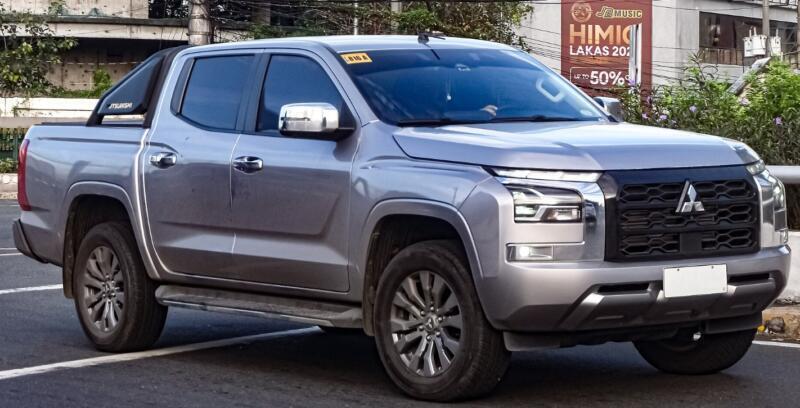
The Mitsubishi Triton has built a reputation as a tough, practical pickup that can carry tools during the week, tow a trailer on Saturday, and disappear down a muddy track on Sunday. In many markets, it is also called the Mitsubishi L200, Strada, or Warrior. Whatever badge sits on the tailgate, the basic formula remains familiar: diesel power, a strong ladder-frame chassis, selectable four-wheel drive, and fewer luxury frills than some pricier rivals.
Does that mean every Triton is bulletproof? Not quite.
Like any pickup produced across several decades, the Triton has experienced mechanical weaknesses, emissions-system frustrations, electrical faults, recalls, and age-related wear. Some problems are associated with particular engines or generations, while others appear mainly on trucks that have been overloaded, poorly serviced, heavily modified, or constantly used for short journeys.
We should therefore avoid treating every online complaint as proof of a universal defect. A noisy suspension bush on a 20-year-old work truck is hardly shocking. On the other hand, repeated overheating, diesel particulate filter warnings, or unexplained oil-level increases deserve proper attention.
In this guide, we examine the most commonly reported problems with Mitsubishi Triton models across all generations. We will look at symptoms, likely causes, warning signs, repair considerations, and what buyers should inspect before purchasing a used example.
- Are Mitsubishi Tritons Generally Reliable?
- Which Mitsubishi Triton Generations Have the Most Problems?
- Engine Overheating
- Cylinder-Head and Head-Gasket Failure
- Diesel Particulate Filter Problems
- Rising Engine-Oil Level and Diesel Dilution
- EGR Valve and Intake Carbon Buildup
- Suction Control Valve Problems
- Fuel Injector Problems
- Turbocharger and Intercooler Hose Leaks
- Timing-Belt Neglect
- Manual Clutch and Dual-Mass Flywheel Wear
- Automatic Transmission Hesitation and Harsh Shifting
- Four-Wheel-Drive System Faults
- Chassis Cracks and Overloading Damage
- Rear Suspension Sag and Worn Bushes
- Steering and Front-Suspension Wear
- Brake Problems
- Electrical and Sensor Faults
- Rust and Corrosion
- Air-Conditioning Problems
- Body, Interior, and Infotainment Complaints
- Mitsubishi Triton Recall Checks
- Problems Caused by Modifications
- How to Inspect a Used Mitsubishi Triton
- Which Mitsubishi Triton Problems Are Most Expensive?
- How to Reduce Mitsubishi Triton Reliability Problems
- Should We Avoid Buying a Mitsubishi Triton?
- Final Thoughts on Problems with Mitsubishi Triton Models
- Frequently Asked Questions
Are Mitsubishi Tritons Generally Reliable?
Yes, a properly maintained Mitsubishi Triton can be a dependable pickup. Many examples cover high mileages while working in agriculture, construction, mining, delivery fleets, and recreational off-roading.
The Triton’s strongest qualities usually include:
- Straightforward mechanical construction
- Capable four-wheel-drive systems
- Durable diesel engines when maintained correctly
- Competitive running costs
- Good parts availability in major Triton markets
- A chassis designed for commercial use
However, reliability depends heavily on the vehicle’s history.
A Triton that has received regular oil changes, correct coolant, fresh transmission fluid, and timely timing-belt maintenance is a completely different proposition from one that has spent its life towing above its limits with an unknown service record.
We also need to separate design weaknesses from abuse-related failures. Bent chassis components, worn clutches, damaged differentials, and sagging rear springs may result from years of overloading rather than an inherent manufacturing defect.
The simplest verdict is this: the Triton can be reliable, but it does not forgive neglected maintenance forever.
Which Mitsubishi Triton Generations Have the Most Problems?
Older Tritons naturally produce more complaints because age, corrosion, mileage, and previous repairs begin to matter. Problems also vary according to regional specifications, engines, transmissions, and emissions equipment.
Older MK Triton Problems
MK-generation vehicles are now old enough for condition to matter more than the badge. Their common concerns can include:
- Cooling-system deterioration
- Oil leaks
- Worn steering components
- Cracked suspension bushes
- Rust
- Manual gearbox wear
- Ageing electrical connections
- Timing-belt neglect
There was also an Australian recall involving certain MK Tritons because the engine-hood safety-lock bracket might not have been formed correctly. Owners should check individual vehicle identification numbers rather than assuming every MK was affected.
ML and MN Triton Problems
ML and MN trucks remain popular on the used market because they offer useful capability without the price of a newer pickup. Their most discussed concerns include:
- Diesel-engine overheating
- Cylinder-head or head-gasket damage
- Carbon accumulation
- Suction control valve problems
- Worn clutches
- Injector noise
- Chassis stress on overloaded vehicles
- Suspension wear
Not every ML or MN will suffer these faults. Nevertheless, a thorough cooling-system inspection is essential when shopping for one.
MQ and MR Triton Problems
MQ and MR models feel more refined, but their additional emissions and electronic equipment create different potential trouble areas. Owners commonly discuss:
- DPF warning lights
- Interrupted regeneration
- Increasing engine-oil level
- EGR and intake carbon buildup
- Turbo or intercooler hose leaks
- Automatic transmission hesitation
- Infotainment glitches
- Parking sensor faults
- Accessory wiring issues
Certain MQ and MR Tritons fitted with a genuine accessory towbar wiring harness were recalled in Australia because incorrectly installed wiring could allow liquid into the circuits, creating an overheating or fire risk.
Latest-Generation Triton Problems
The newest generation is still too young for us to identify long-term patterns with complete confidence. Early faults reported on any newly released vehicle often involve:
- Software behaviour
- Driver-assistance warnings
- Infotainment connectivity
- Sensor calibration
- Minor trim rattles
- Transmission learning characteristics
These should not automatically be confused with serious reliability defects. Long-term data will become more meaningful as vehicles accumulate mileage and age.
Engine Overheating
Overheating is among the most serious problems associated with certain older diesel Tritons. It can begin with something as ordinary as a weakening radiator cap or partially blocked radiator, yet end with a damaged cylinder head and a repair bill that feels like a hammer landing on the wallet.
Common Overheating Symptoms
Watch for:
- Temperature gauge rising above normal
- Coolant disappearing without an obvious leak
- Coolant pushed into the overflow bottle
- Hard cooling hoses soon after a cold start
- White exhaust smoke
- Heater temperature changing unexpectedly
- Bubbling inside the expansion tank
- Sweet coolant smell
- Engine losing power when hot
A temperature gauge that suddenly climbs while towing or driving uphill should never be ignored. Continuing to drive an overheating diesel can turn a manageable cooling-system repair into major internal engine damage.
What Causes Triton Overheating?
Possible causes include:
- Blocked radiator cores
- Failed radiator cap
- Sticking thermostat
- Worn water pump
- Cracked hoses
- Incorrect coolant mixture
- Air trapped in the cooling system
- Failed viscous fan coupling
- Cylinder-head cracking
- Head-gasket failure
- Heavy towing in extreme heat
- Engine modifications that raise exhaust temperatures
The correct diagnosis requires a cooling-system pressure test, combustion-gas test, thermostat inspection, and radiator-flow evaluation. Replacing random parts without testing is like throwing darts in a dark room.
Cylinder-Head and Head-Gasket Failure
Cylinder-head and head-gasket concerns are often discussed alongside overheating because one problem can create the other.
A failed head gasket may allow combustion pressure to enter the cooling system. A cracked cylinder head can produce similar symptoms. In other cases, the cooling system fails first, the engine overheats, and the excess heat damages the head or gasket.
Warning Signs of Head-Gasket Trouble
Potential symptoms include:
- Repeated coolant loss
- Cooling hoses becoming pressurised quickly
- Continuous bubbles in the coolant reservoir
- White smoke after the engine is warm
- Rough starting
- Misfiring
- Unexplained overheating
- Oil contaminated with coolant
- Coolant contaminated with oil
- Exhaust gases detected in the cooling system
Milky engine oil is a famous warning sign, but its absence does not prove the head gasket is healthy. Some failures push combustion gases into the coolant without mixing oil and coolant.
Should We Buy a Triton with a Replaced Cylinder Head?
A repaired engine is not automatically a bad purchase. The important questions are:
- Who completed the repair?
- Was the actual overheating cause corrected?
- Was a quality replacement head used?
- Were the radiator, thermostat, hoses, and water pump checked?
- Are invoices available?
- Has the truck operated reliably since the work?
A properly documented repair may be safer than buying an untouched vehicle already showing early symptoms.
Diesel Particulate Filter Problems
Modern diesel Tritons use a diesel particulate filter, or DPF, to capture soot from the exhaust. The vehicle periodically raises exhaust temperature and burns that soot during regeneration.
Problems develop when regeneration cannot complete.
This is particularly common when the truck spends most of its time making short, low-speed journeys. The engine may shut down before the exhaust becomes hot enough, leaving the DPF progressively more restricted.
Mitsubishi explains that the DPF can clean itself through automatic regeneration. Its owner guidance also notes that the engine-oil level may rise, potentially reaching above the ordinary maximum mark under certain operating conditions. Drivers should follow the vehicle-specific handbook and seek professional inspection when warning messages remain active.
Symptoms of a Blocked Triton DPF
Typical warning signs include:
- DPF warning lamp
- “DPF system service required” message
- Reduced engine power
- Higher fuel consumption
- Cooling fans operating frequently
- Strong hot smell
- Increased idle speed
- Frequent regeneration attempts
- Engine oil level rising
- Limp-home mode
Why Short Trips Cause DPF Trouble
Imagine trying to burn damp firewood but extinguishing the flame every few minutes. That is roughly what happens when regeneration begins and the engine is switched off before the process finishes.
Urban owners can reduce the risk by allowing the vehicle to complete suitable longer drives, following the handbook’s instructions, and addressing engine faults promptly. A damaged sensor, leaking injector, EGR fault, or intake problem can increase soot production and cause repeated blockage even when the truck regularly reaches highway speeds.
Can We Simply Remove the DPF?
Removing or electronically disabling emissions equipment may breach roadworthiness, emissions, registration, or insurance rules. It may also hide the real cause of excessive soot production.
The better approach is to diagnose why the filter is filling too quickly.
Rising Engine-Oil Level and Diesel Dilution
An oil level that rises rather than falls sounds like free engine oil. Unfortunately, the engine has not discovered a magical ability to manufacture lubricant.
During DPF regeneration, additional fuel may be injected to increase exhaust temperature. Under some conditions, a portion can enter the crankcase and dilute the engine oil. Repeated interrupted regenerations may make the problem worse.
Why Diesel-Diluted Oil Is Dangerous
Oil contaminated with diesel can lose viscosity and protective strength. Possible consequences include:
- Accelerated bearing wear
- Reduced turbocharger lubrication
- Increased internal engine wear
- Higher crankcase level
- Oil vapour entering the intake
- Serious engine damage in extreme cases
Owners should check the dipstick regularly and understand the markings described in their specific owner’s manual. An oil level above the permitted limit, a strong diesel smell in the oil, or repeated level increases requires professional attention.
Changing the oil without correcting the cause may provide only temporary relief.
EGR Valve and Intake Carbon Buildup
The exhaust gas recirculation system sends a controlled amount of exhaust gas back through the intake to reduce certain emissions. Unfortunately, exhaust soot can mix with oily vapour from the crankcase ventilation system.
The result resembles thick black paste accumulating inside the intake.
Symptoms of EGR or Intake Contamination
We may notice:
- Sluggish acceleration
- Uneven idle
- Excessive black smoke
- Reduced fuel economy
- Engine warning light
- Hesitation
- Limp mode
- Increased DPF regeneration frequency
Cleaning may restore performance if contamination is the main cause, but the mechanic should also test the EGR valve, airflow sensor, boost system, and related sensors. Otherwise, an expensive cleaning job may treat the symptom rather than the cause.
Suction Control Valve Problems
Some diesel Tritons can experience fuel-pressure irregularities linked to the suction control valve on the fuel pump. This valve helps regulate the quantity of fuel entering the high-pressure system.
When it becomes worn, contaminated, or erratic, engine operation may feel inconsistent.
Common Symptoms
Possible signs include:
- Surging
- Rough idle
- Stalling
- Difficulty starting
- Hesitation under acceleration
- Inconsistent power
- Fuel-pressure fault codes
- Limp mode
Because similar symptoms can be caused by injectors, a blocked fuel filter, contaminated diesel, air entering the fuel line, or sensor faults, replacing the suction control valve without diagnostic testing is not ideal.
Fuel Injector Problems
Diesel injectors work under enormous pressure and must deliver fuel with extraordinary precision. As mileage increases, they may wear, leak, develop poor spray patterns, or require calibration corrections.
Signs of Worn Triton Injectors
Look out for:
- Diesel knocking
- Rough cold starts
- White or grey smoke
- Excessive black smoke
- Poor fuel economy
- Uneven idle
- Loss of power
- Engine misfire
- Rising engine-oil level
- Frequent DPF blockage
Injector replacement can be expensive, so buyers should not assume every noisy diesel requires a full set. A diesel specialist can check correction values, return flow, rail pressure, and spray performance.
Why Injector Coding Matters
On engines that require injector calibration codes, the engine control unit must know the characteristics of each injector. Incorrect coding can contribute to rough running and poor combustion.
The invoice should therefore confirm whether replacement injectors were installed and calibrated correctly.
Turbocharger and Intercooler Hose Leaks
Not every loss-of-power complaint means the turbocharger itself has failed. A loose clamp, cracked intercooler, or split boost hose can release pressurised air before it reaches the engine.
The truck may then feel as though someone tied a caravan to the rear bumper.
Symptoms of a Boost Leak
Common signs include:
- Whistling or rushing-air noise
- Sudden power loss
- Black smoke during acceleration
- Oil mist around hose connections
- Underboost fault code
- Limp mode
- Poor towing performance
Inspect the full intake path, including hidden hose surfaces. A hose can look healthy from above while splitting underneath when pressure rises.
Actual Turbocharger Failure
A failing turbo may produce:
- Siren-like whining
- Blue exhaust smoke
- Heavy oil consumption
- Shaft play
- Oil inside the compressor housing
- Severe loss of boost
The oil supply and return lines must be checked before fitting a replacement. Otherwise, the new turbo can fail for the same reason as the old one.
Timing-Belt Neglect
Several older Triton diesel engines use a timing belt rather than a timing chain. Replacement intervals vary by engine and market, so owners must consult the correct maintenance schedule.
A missed timing-belt replacement can have catastrophic consequences if the belt breaks and allows pistons and valves to collide.
What Should Be Replaced with the Timing Belt?
A thorough timing-belt service may include:
- Timing belt
- Tensioner
- Idler pulleys
- Hydraulic tensioner where fitted
- Balance-shaft belt where applicable
- Water pump when sensible
- Camshaft and crankshaft seals if leaking
- Auxiliary belts if worn
- Fresh coolant when the cooling system is opened
When buying a used Triton, “the previous owner said it was done” is not evidence. Ask for a dated invoice showing the mileage and parts used.
Manual Clutch and Dual-Mass Flywheel Wear
Manual Tritons often spend their lives towing, carrying weight, climbing rough tracks, or crawling through traffic. Those conditions can wear the clutch much faster than relaxed highway driving.
Clutch Failure Symptoms
Watch for:
- Engine speed rising without matching acceleration
- High clutch biting point
- Shudder when moving away
- Difficulty selecting gears
- Burning smell
- Rattling at idle
- Vibration through the pedal
- Noise when pressing or releasing the clutch
A worn clutch may also reveal poor driving habits or excessive towing. If the vehicle uses a dual-mass flywheel, repair costs can rise because the flywheel may need replacement alongside the clutch.
Testing the Clutch Before Buying
During a test drive:
- Accelerate firmly in a high gear at low-to-moderate engine speed.
- Watch whether engine revs rise faster than road speed.
- Test hill starts without excessive throttle.
- Listen for rattles when the clutch pedal position changes.
- Check that reverse and first gear engage cleanly.
Do not deliberately abuse the clutch during testing. A sensible road test is enough to reveal obvious slipping.
Automatic Transmission Hesitation and Harsh Shifting
Automatic Tritons may display occasional hesitation, abrupt shifts, flare between gears, or hunting when towing. Causes range from software adaptation to old fluid or internal mechanical wear.
Possible Causes
These include:
- Incorrect or degraded transmission fluid
- Low fluid level
- Valve-body wear
- Solenoid faults
- Torque-converter problems
- Adaptive learning
- Engine-related power faults
- Excessive towing heat
- Poor-quality aftermarket tuning
A transmission service is not always a miracle cure. If friction material is already damaged, fresh fluid cannot rebuild worn components.
Before buying, test the transmission when cold and fully warm. Use light throttle, heavy acceleration, hills, reverse, and low-speed manoeuvring. A quick five-minute drive around a dealership may hide symptoms that appear only after the fluid reaches operating temperature.
Four-Wheel-Drive System Faults
The Triton’s selectable four-wheel-drive system is one of its major strengths, but lack of use can create problems. Actuators, vacuum lines, switches, and sensors may stick or fail, especially when four-wheel drive is rarely engaged.
Warning Signs
Potential symptoms include:
- Flashing four-wheel-drive indicator
- Refusal to enter or leave four-wheel drive
- Grinding during selection
- Front wheels not engaging
- Transfer-case noise
- Warning lamps remaining active
- Binding on hard surfaces
Always follow the correct engagement procedure. Some modes can be selected while moving within specified limits, whereas others require the vehicle to stop and the transmission to be placed in neutral.
Driveline Binding Is Not Always a Fault
Using a locked four-wheel-drive mode on dry, high-grip tarmac can cause driveline wind-up. The tyres cannot release the rotational difference between axles, making steering heavy and the drivetrain feel tight.
This is an operating error, not necessarily a broken transfer case.
Chassis Cracks and Overloading Damage
Reports of bent or cracked pickup chassis often attract dramatic photographs online. Yet the context matters.
A ladder-frame chassis can be damaged by:
- Excessive payload
- Too much tow-ball weight
- Poorly distributed loads
- Large rear overhang
- Heavy slide-on campers
- Severe off-road impacts
- Airbags concentrating load at the wrong point
- Corrosion
- Previous collision damage
- Unapproved modifications
Where Should We Inspect?
Check carefully around:
- Rear spring mounts
- Crossmembers
- Towbar attachment points
- Tray mounts
- Areas behind the cab
- Suspension brackets
- Previous welds or reinforcement plates
Fresh paint or thick underbody coating can conceal repairs. Uneven panel gaps between the cab and tray may also suggest chassis distortion.
A pickup’s advertised towing capacity does not mean we can simultaneously load the tray to its maximum, add passengers, fit heavy accessories, and apply the maximum trailer nose weight. Gross vehicle mass, axle limits, payload, and gross combination mass all matter.
Rear Suspension Sag and Worn Bushes
Tritons used as work vehicles may develop sagging rear springs, worn shackle bushes, leaking shock absorbers, or uneven ride height.
Symptoms include:
- Rear end sitting low
- Excessive bouncing
- Clunking over bumps
- Wandering while towing
- Uneven tyre wear
- Harsh ride
- Steering instability
Heavy-duty springs may help a vehicle that permanently carries equipment, but fitting extremely stiff springs to an unloaded daily driver can make the ride unpleasant and reduce suspension compliance.
The solution should match the real load rather than the owner’s desire for an aggressively raised stance.
Steering and Front-Suspension Wear
A Triton that travels over corrugated roads, building sites, or rocky tracks places significant stress on its front suspension.
Wear items can include:
- Ball joints
- Tie-rod ends
- Control-arm bushes
- Wheel bearings
- Shock absorbers
- Steering rack mounts
- Anti-roll-bar links
- Upper control arms on lifted vehicles
Symptoms to Notice
Listen and feel for:
- Knocking over small bumps
- Steering vibration
- Loose steering
- Pulling to one side
- Clicking while turning
- Uneven front-tyre wear
- Humming that changes with road speed
Lift kits can alter suspension geometry and accelerate wear if they are poorly designed or installed. Modified trucks should receive a more detailed inspection than standard vehicles.
Brake Problems
Brake complaints usually involve wear rather than a unique Triton defect, particularly on trucks used for towing.
Common concerns include:
- Warped or unevenly worn front discs
- Steering-wheel vibration while braking
- Seized caliper slides
- Rear brake adjustment issues
- Brake-fluid neglect
- Handbrake inefficiency
- ABS warning lights
Repeated heavy braking on long descents can overheat the system. Drivers towing substantial loads should use appropriate gears and engine braking rather than forcing the foot brake to absorb all the energy.
Electrical and Sensor Faults
As Tritons became more sophisticated, the number of modules, sensors, cameras, and communication networks increased. That improves comfort and safety but also creates more places for small faults to appear.
Common Electrical Complaints
Owners may encounter:
- Random warning lights
- Parking sensors sounding unnecessarily
- Reversing camera failure
- Infotainment freezing
- Bluetooth disconnection
- Weak battery symptoms
- Start-stop malfunction
- Keyless-entry issues
- Trailer wiring faults
- Corroded earth connections
A weak battery can trigger a surprising collection of warning lights. Before replacing expensive modules, technicians should test battery condition, charging voltage, earth points, fuses, and stored fault codes.
Accessory Wiring Risks
Aftermarket spotlights, winches, brake controllers, refrigerators, radios, and trailer sockets are common on pickups. Poor installation can lead to battery drain, overheated wiring, communication faults, or even fire.
Certain Australian MQ and MR vehicles fitted with a genuine towbar wiring harness were subject to an official recall because liquid could contact electrical circuits if the harness had been installed incorrectly.
Rust and Corrosion
Rust risk depends heavily on climate, road salt, coastal exposure, cleaning habits, and previous accident repairs.
Inspect:
- Chassis rails
- Suspension mounts
- Brake lines
- Fuel lines
- Floor seams
- Wheel arches
- Door bottoms
- Tray mounting points
- Towbar
- Areas hidden by plastic steps or accessories
Some Tritons were recalled in Australia because rivets securing side-step covers could corrode and fracture, particularly after exposure to salt or antifreeze agents.
Surface rust may be manageable. Structural corrosion near suspension or body mounts is much more serious.
Air-Conditioning Problems
Air-conditioning problems may include weak cooling, intermittent operation, noisy compressors, damaged condensers, leaking seals, or failed blower resistors.
Pickup condensers are exposed to stones, mud, insects, and road debris. Before assuming the compressor has failed, check:
- Refrigerant pressure
- Condenser condition
- Cooling fans
- Compressor clutch operation
- Temperature sensors
- Cabin filter
- Blower function
Repeatedly adding refrigerant without repairing a leak is not a proper solution.
Body, Interior, and Infotainment Complaints
Not every Triton problem leaves the driver stranded. Some faults are simply irritating.
Owners may notice:
- Dashboard rattles
- Squeaking seats
- Worn steering-wheel trim
- Door-seal wind noise
- Slow infotainment response
- Scratched interior plastics
- Tailgate or canopy rattles
- Water leaks around aftermarket accessories
Commercial vehicles often live harder lives than passenger cars, so cosmetic wear must be judged against age and usage. Still, unexplained water entry deserves attention because it can damage wiring and create mould.
Mitsubishi Triton Recall Checks
A recall does not mean a vehicle is unreliable, and the absence of a recall does not guarantee perfection. Recalls address specific safety or compliance problems affecting defined vehicles.
Triton recalls have varied by market and may involve items such as:
- Airbags
- Accessory wiring
- Side-step components
- Bonnet-latch parts
- Tonneau-cover hardware
- Accessory trays or towbars
- Button-battery packaging for replacement keys
For example, some Australian MQ Triton tonneau-cover kits were recalled because incorrect rivet lengths had been supplied.
Owners should check recalls using the vehicle identification number through the manufacturer, local distributor, authorised dealer, or national vehicle-recall database. A generic online list cannot confirm whether one particular truck still has an outstanding repair.
Problems Caused by Modifications
Modified Tritons require extra care because accessories can improve capability while also introducing new stresses.
Potentially troublesome modifications include:
- Aggressive engine remaps
- DPF or EGR alterations
- Oversized tyres
- Poorly designed suspension lifts
- Wheel spacers
- Heavy steel bumpers
- Large winches
- Constant-load springs on lightly loaded trucks
- Incorrectly installed dual-battery systems
- Uncertified chassis reinforcement
- Excessive towbar extensions
A conservative, professionally engineered modification is not automatically harmful. Problems arise when components are selected individually without considering how they affect the whole vehicle.
Large tyres, for example, may increase gearing load, braking distance, steering stress, fuel consumption, and wheel-bearing wear all at once.
How to Inspect a Used Mitsubishi Triton
A proper inspection should begin before the engine starts.
Check the Vehicle While Cold
Ask the seller not to warm it before arrival. A cold start can reveal:
- Slow cranking
- Injector rattle
- White smoke
- Timing-belt noises
- Rough idle
- Cooling-system pressure
- Weak battery
- Glow-plug problems
A warm engine can conveniently hide several of these symptoms.
Inspect the Service History
Look for documented evidence of:
- Correct oil changes
- Timing-belt replacement
- Cooling-system maintenance
- Transmission servicing
- Fuel-filter replacement
- Injector work
- DPF repairs
- Recall completion
- Clutch replacement
- Differential and transfer-case fluid changes
A thick folder of invoices is often more valuable than shiny paint.
Examine the Engine Bay
Check for:
- Coolant stains
- Oil leaks
- Diesel leaks
- Swollen hoses
- Aftermarket wiring
- Missing clips
- Fresh sealant
- Oil mist around boost hoses
- Incorrect coolant
- Signs of overheating
Inspect the Chassis and Underbody
Look underneath for:
- Cracks
- Bent crossmembers
- Damaged skid plates
- Leaking differentials
- Torn boots
- Corrosion
- Uneven tyre wear
- Fresh welding
- Mud packed into inaccessible areas
Complete a Long Test Drive
A useful test drive should include:
- Cold start
- Stop-start traffic
- Highway speed
- Hard acceleration
- Braking
- Tight turns
- Uneven surfaces
- Transmission operation when warm
- Four-wheel-drive engagement where appropriate
After the drive, inspect again for coolant loss, fresh leaks, warning lights, abnormal pressure, or strong burning smells.
Which Mitsubishi Triton Problems Are Most Expensive?
The most financially serious faults can include:
- Cylinder-head or head-gasket failure
- Major engine damage from overheating
- Diesel dilution-related engine wear
- Automatic transmission failure
- Complete injector replacement
- Turbocharger failure
- Severe DPF and emissions-system faults
- Structural chassis damage
- Transfer-case or differential failure
- Extensive corrosion
Minor sensor, hose, bush, or electrical repairs are less frightening when diagnosed early. The real danger comes from continuing to drive after the truck provides obvious warnings.
How to Reduce Mitsubishi Triton Reliability Problems
Preventive maintenance is considerably cheaper than rebuilding an engine beside a pile of failed parts.
Follow These Practical Habits
- Use the correct engine oil.
- Replace oil at the specified interval or earlier under severe use.
- Check coolant level regularly.
- Never ignore rising temperature.
- Investigate repeated DPF warnings.
- Monitor engine-oil level.
- Allow suitable opportunities for DPF regeneration.
- Replace the timing belt on schedule.
- Service transmission and driveline fluids.
- Drain water from the fuel system where required.
- Use clean diesel from reputable suppliers.
- Avoid exceeding payload and towing limits.
- Inspect the chassis after harsh off-road use.
- Repair boost leaks promptly.
- Check recalls by vehicle identification number.
- Use qualified technicians for modifications.
Severe-Service Maintenance Matters
Commercial work, dust, towing, short trips, extreme temperatures, and off-road driving may require a stricter maintenance schedule than ordinary use.
A vehicle travelling 10,000 easy highway kilometres does not experience the same stress as one travelling 10,000 kilometres through dust while towing near its limits.
Should We Avoid Buying a Mitsubishi Triton?
No, not automatically.
The Triton remains a sensible option for buyers who want a capable pickup without paying the premium attached to some competitors. Its compact dimensions, practical four-wheel-drive systems, strong dealer presence in key markets, and broad parts supply help explain its popularity.
However, we should avoid any Triton showing:
- Unexplained coolant loss
- Active overheating
- Severe crankcase pressure
- Persistent DPF warnings
- Oil above the permitted level
- Heavy diesel knock
- Transmission slipping
- Structural chassis repairs without documentation
- Extensive rust
- Missing service history
- Suspicious emissions modifications
- Multiple warning lights
- Evidence of extreme overloading
A neglected low-mileage truck may be riskier than a higher-mileage example maintained by a fleet with complete records.
Final Thoughts on Problems with Mitsubishi Triton Models
The Mitsubishi Triton is not flawless, but neither is it the mechanical disaster that a collection of isolated internet complaints might suggest.
Older trucks are most vulnerable to cooling-system neglect, head damage, timing-belt failure, injector wear, clutch problems, rust, and tired suspension components. Newer diesel models introduce DPF regeneration, oil-dilution concerns, EGR contamination, additional sensors, and more complicated electrical systems.
The key is context.
A DPF warning on a truck used only for short urban journeys tells a different story from the same warning on a vehicle that regularly travels long distances. A bent chassis on an overloaded camper conversion does not prove every standard Triton chassis will bend. An overheated diesel with no service history does not define a correctly maintained engine.
We should buy condition, history, and evidence—not merely mileage, paintwork, or optimistic promises from the seller.
Choose a Triton with documented servicing, stable coolant temperature, healthy oil, clean transmission behaviour, a straight chassis, and no unresolved warnings. Have it inspected by a mechanic who understands diesel pickups. Do that, and the Triton can still be the honest, hard-working companion it was designed to be.
Frequently Asked Questions
1. What is the most common Mitsubishi Triton problem?
There is no single problem affecting every generation. Older models are frequently associated with cooling-system wear, overheating, timing-belt neglect, and suspension deterioration. Newer diesel models are more likely to experience DPF warnings, incomplete regeneration, rising engine-oil levels, EGR contamination, or sensor-related faults.
2. Which Mitsubishi Triton engine should we avoid?
We should not reject an engine purely because of its code or reputation. Maintenance history matters more. Avoid engines with unexplained coolant loss, overheating symptoms, heavy smoke, poor compression, diesel-contaminated oil, severe injector noise, or missing timing-belt records. A specialist inspection is more useful than relying on a blanket “avoid” list.
3. Why does my Mitsubishi Triton oil level keep rising?
On a DPF-equipped diesel, repeated regeneration attempts can allow diesel fuel to dilute the engine oil. Faulty injectors or other fuel-system problems may also contribute. Check the handbook’s dipstick guidance and have the vehicle inspected promptly if the level exceeds the permitted mark or the oil smells strongly of diesel.
4. Are Mitsubishi Triton DPF problems expensive to fix?
Costs vary according to the cause. A sensor, interrupted regeneration, or minor intake fault may be relatively manageable. A heavily blocked or damaged filter, leaking injector, malfunctioning EGR system, or recurring oil dilution can be much more expensive. Proper diagnosis should come before forced regeneration or filter replacement.
5. How many kilometres can a Mitsubishi Triton last?
A maintained Triton can cover high mileage, but there is no guaranteed lifespan. Engine condition, towing load, operating temperature, oil quality, cooling-system health, rust, modifications, and service history all influence longevity. A high-mileage vehicle with detailed maintenance records can be a stronger purchase than a neglected low-mileage truck.
This content may interest you! Mitsubishi Triton Engine Problems: Causes, Symptoms, and Solutions
Leave a Reply