
Mitsubishi Triton Injector Replacement Cost New Zealand
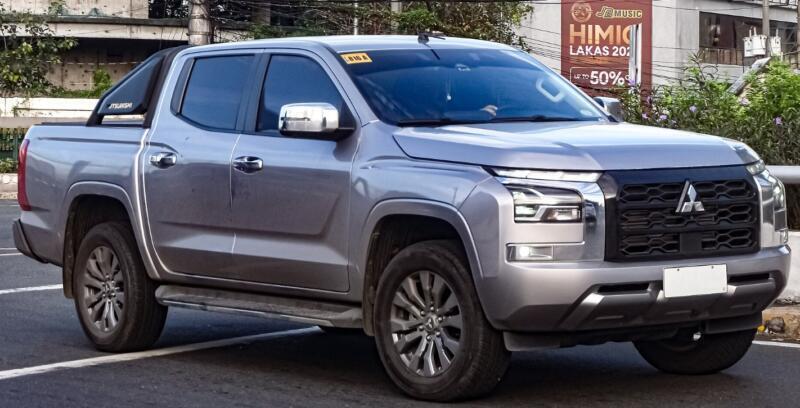
A Mitsubishi Triton with failing injectors can feel like a strong rugby player suddenly trying to run in gumboots. The engine may still start, drive, and tow, but something clearly feels wrong. It might idle roughly, blow smoke, hesitate under acceleration, use more diesel than usual, or become painfully difficult to start on a cold Waikato morning.
Then comes the uncomfortable question: how much does Mitsubishi Triton injector replacement cost in New Zealand?
For most diesel Tritons, we should prepare for approximately NZ$700 to NZ$1,400 to replace one injector, including the injector, basic fitting components, labour, coding, and GST. Replacing a complete set of four common-rail injectors will commonly land somewhere between NZ$2,800 and NZ$5,000, although complicated jobs can move beyond that range.
Those figures are practical estimates rather than fixed national prices. A general New Zealand guide places injector replacement at roughly NZ$300 to NZ$1,000 or more per injector, while diesel units normally sit toward the expensive end because of their pressure, precision, installation requirements, and calibration needs.
The final bill depends heavily on which Triton we own, its engine, the injector brand selected, the workshop’s labour rate, and whether carbon buildup turns a routine removal into an afternoon-long wrestling match.
This guide breaks down the likely costs, warning signs, model differences, hidden expenses, testing procedures, and sensible ways to avoid paying for injectors that were never faulty in the first place.
- Average Mitsubishi Triton Injector Replacement Cost in NZ
- Why Triton Diesel Injectors Are Expensive
- Injector Costs by Mitsubishi Triton Generation
- What Is Included in an Injector Replacement Quote?
- Symptoms of Failing Mitsubishi Triton Injectors
- Do All Four Triton Injectors Need Replacing?
- Testing Injectors Before Replacement
- What Else Can Mimic Injector Failure?
- Hidden Costs That Can Increase the Final Bill
- Genuine, Aftermarket, or Remanufactured Injectors?
- How to Compare New Zealand Workshop Quotes
- Can We Replace Triton Injectors at Home?
- How to Reduce Triton Injector Replacement Costs
- Is Injector Replacement Worth It on an Older Triton?
- How Long Do Mitsubishi Triton Injectors Last?
- How Long Does Injector Replacement Take?
- Our Final Verdict on Triton Injector Costs
- Frequently Asked Questions
Average Mitsubishi Triton Injector Replacement Cost in NZ
The following ranges provide a realistic starting point for budgeting in New Zealand.
| Injector service | Estimated New Zealand cost |
|---|---|
| Initial scan and fuel-system diagnosis | NZ$120–NZ$300 |
| Injector return-flow or balance testing | NZ$150–NZ$400 |
| Bench testing removed injectors | NZ$80–NZ$180 each |
| One diesel injector supplied and fitted | NZ$700–NZ$1,400 |
| Two diesel injectors supplied and fitted | NZ$1,300–NZ$2,500 |
| Four diesel injectors supplied and fitted | NZ$2,800–NZ$5,000 |
| Four premium or genuine injectors fitted | NZ$4,000–NZ$6,000+ |
| Seal, washer, bolt, and fitting kit | NZ$80–NZ$300 |
| Injector coding or relearn procedure | NZ$80–NZ$250 |
| Fuel filter replacement | NZ$100–NZ$250 |
| Fuel-system flushing | NZ$200–NZ$600 |
These figures are estimates for planning purposes. Quotes can vary significantly between Auckland, Hamilton, Tauranga, Wellington, Christchurch, Dunedin, and smaller regional centres.
Independent diesel specialists may charge differently from Mitsubishi dealerships. However, the cheapest hourly labour rate does not automatically produce the cheapest completed repair. A technician who understands common-rail Tritons may diagnose and complete the work faster than a general workshop learning as it goes.
How Much Does One Triton Injector Cost?
A single replacement may cost approximately:
- NZ$400 to NZ$850 for the injector itself
- NZ$150 to NZ$400 for removal and installation
- NZ$50 to NZ$200 for washers, seals, clamps, or bolts
- NZ$80 to NZ$250 for coding, adaptation, or confirmation testing
That creates a realistic installed total of around NZ$700 to NZ$1,400 per injector.
Some uncomplicated jobs may fall below this range. Others may exceed it when the injector is seized, access is difficult, the fuel pipes require replacement, or the cylinder-head seat needs cleaning or repair.
My Auto Shop notes that Mitsubishi injector replacement can begin at roughly NZ$250 for a single unit but may climb above NZ$1,100 when several injectors are involved or access becomes difficult. That broad spread shows why a vehicle-specific written quote matters more than a generic online number.
How Much Does a Full Set Cost?
Most four-cylinder diesel Tritons use four injectors. Replacing all four commonly costs:
- Budget aftermarket installation: NZ$2,400–NZ$3,200
- Quality aftermarket or remanufactured set: NZ$2,800–NZ$4,000
- New Denso, OEM-equivalent, or genuine set: NZ$3,800–NZ$5,500+
- Complex installation with additional repairs: NZ$5,000–NZ$6,000+
Parts prices alone can be substantial. One current New Zealand-market listing for a set of Mitsubishi Triton ML/MN 2.5-litre diesel injectors is above NZ$2,100 before workshop labour and any associated fitting costs.
That does not mean every Triton owner will pay the same amount. It simply demonstrates that a complete set of reputable common-rail injectors is not a small-ticket purchase.
Why Triton Diesel Injectors Are Expensive
A modern diesel injector is not merely a nozzle that dribbles fuel into the engine. It is an extremely precise electromechanical component working under enormous pressure.
The injector must deliver exactly the right quantity of diesel at precisely the right moment. It may perform several injections during a single combustion cycle, including pilot, main, and post-injection events. Tiny errors can change combustion noise, power, emissions, fuel economy, exhaust temperature, and diesel particulate filter operation.
In other words, each injector behaves more like a finely tuned instrument than a garden-hose fitting.
Common-Rail Precision Raises the Price
Modern Triton engines use electronically controlled common-rail fuel injection. This system allows excellent torque and relatively clean combustion, but it also introduces:
- Microscopic internal tolerances
- High-pressure fuel circuits
- Individual injector calibration data
- Electronic control valves
- Complex diagnostic procedures
- Strict cleanliness requirements
- Model-specific coding or relearning
Diesel injectors generally cost more than petrol injectors because their operating pressures and manufacturing tolerances are considerably more demanding.
Labour Is More Than Removing Four Bolts
The visible part of the repair may look straightforward, but a proper injector replacement can involve:
- Scanning the engine-control system
- Analysing correction or balance values
- Performing a leak-back test
- Removing covers, pipes, brackets, and wiring
- Cleaning the injector area before removal
- Extracting the old injector
- Cleaning the injector seat
- Installing new washers and seals
- Tightening components to specification
- Entering calibration codes
- Priming and bleeding the fuel system
- Checking for leaks
- Verifying cold and hot operation
- Road-testing the vehicle
A specialist may also remove injectors for calibrated bench testing. New Zealand diesel workshops describe using scan data, rail-pressure logs, correction values, back-leak testing, and calibrated test benches before condemning expensive components.
That diagnostic work costs money, but it can save thousands.
Injector Costs by Mitsubishi Triton Generation
The words “Mitsubishi Triton” cover several generations, engines, injection systems, and model codes. A price quoted for an old petrol MK Triton tells us very little about the cost of repairing a newer 4N15 diesel.
MK Triton Injector Replacement Cost
Older MK Tritons were sold with petrol and diesel engines. Their injector costs vary widely.
Some petrol injectors are relatively conventional and may be cleaned, serviced, or replaced for less than modern common-rail diesel units. Older mechanical diesel injection systems can also differ significantly from later electronically controlled designs.
A rough range might be:
- Petrol injector cleaning: NZ$200–NZ$500 per set
- Petrol injector replacement: NZ$150–NZ$500 each fitted
- Older diesel injector servicing: NZ$250–NZ$700 each
- Complete diesel set: NZ$1,200–NZ$3,000
Availability can become the main challenge. Genuine parts may be discontinued or expensive, while aftermarket quality varies dramatically.
This content may interest you! How Much Is a Canopy for a Mitsubishi Triton in New Zealand?
ML and MN 2.5-Litre 4D56 Injector Cost
The ML and MN Triton models are common on New Zealand roads and farms. Many use the 2.5-litre 4D56 common-rail turbo-diesel engine.
For these vehicles, we can broadly expect:
- One quality injector fitted: NZ$700–NZ$1,300
- Set of four fitted: NZ$2,800–NZ$4,500
- Premium or genuine complete job: NZ$4,000–NZ$5,500+
The 4D56 is well known by diesel specialists, which can help with diagnosis and parts sourcing. However, familiarity does not make its injectors cheap.
New Zealand suppliers list model-specific Denso common-rail injectors for the 4D56 and commonly provide limited parts warranties. For example, one specialist advertises a 12-month or 20,000-kilometre warranty on new parts and exchange units, subject to its conditions.
Why 4D56 Quotes Differ So Much
One workshop may quote an exchange injector, another a newly manufactured aftermarket unit, and another a genuine or OE Denso component. All three quotes may use the word “replacement,” yet the actual products are not equivalent.
Before comparing prices, ask:
- Is the injector new, remanufactured, or used?
- Which manufacturer produced it?
- Is there a refundable core deposit?
- What warranty applies?
- Does the quote include seals and washers?
- Is coding included?
- Does the price include GST?
- Is post-installation testing included?
Without these details, comparing quotes is like comparing a backpacker hostel with a waterfront hotel because both provide a bed.
MQ and MR 2.4-Litre 4N15 Injector Cost
MQ and MR Tritons generally use the 2.4-litre 4N15 turbo-diesel engine. These vehicles rely on sophisticated common-rail injectors that must match the engine and ECU requirements.
Typical estimates are:
- One 4N15 injector supplied and fitted: NZ$800–NZ$1,400
- Complete set installed: NZ$3,200–NZ$5,200
- Genuine-dealer repair: potentially NZ$4,500–NZ$6,000+
New Zealand diesel suppliers list dedicated Denso injectors and fitting components for the Mitsubishi 4N15, including injector kits, clamp bolts, and sealing hardware.
The presence of separate fitting parts is important. Reusing a crushed copper washer or a stretched clamp bolt to save a few dollars can create combustion leakage and another expensive repair.
Latest Triton Injector Costs
The latest-generation Triton uses a newer diesel powertrain and injection arrangement. Because these vehicles are comparatively new, many remain covered by manufacturer or dealer-supported warranties, depending on age, mileage, service history, and the cause of failure.
Out-of-warranty injector pricing may be high because:
- Parts availability may initially be limited
- Genuine components may dominate the market
- Fewer independent workshops have extensive experience with the system
- Calibration and diagnostic equipment may be required
- The engine may use more advanced injection control
Owners of a newer Triton should contact a Mitsubishi dealer before authorising an independent replacement. Even when a vehicle is outside its standard warranty, documented servicing and unusually early component failure may justify asking whether goodwill assistance is available.
What Is Included in an Injector Replacement Quote?
A tempting quote can grow teeth once work begins. We should always ask for an itemised estimate.
The Injector Unit
This is usually the largest parts expense. The price changes according to whether the injector is:
- Genuine Mitsubishi
- Original-equipment Denso
- New aftermarket
- Factory remanufactured
- Independently rebuilt
- Used or second-hand
Used diesel injectors are risky unless their history is known and they have been professionally tested. An injector may look spotless outside while wearing badly inside.
Injector Seals and Copper Washers
The injector must seal properly against the cylinder head. A fresh copper washer is typically required, along with any O-rings, dust seals, or return-line seals specified for the engine.
A leaking seal can produce:
- A chuffing or puffing sound
- Black carbon around the injector
- Diesel or exhaust smells
- Compression leakage
- Hard starting
- Damage to the injector seat
- A tar-like buildup around the injector body
Replacing the injector without correcting the sealing surface can leave the original problem alive and kicking.
High-Pressure Pipes
Some manufacturers and workshops recommend replacing certain high-pressure fuel pipes once disturbed. Whether this is required depends on the engine, service procedure, condition, and workshop policy.
These pipes operate under dangerous pressure. They should never be treated like ordinary rubber fuel hose.
Injector Coding
Many common-rail injectors carry an individual calibration code. The ECU uses that data to compensate for tiny manufacturing differences.
When required, the technician enters the new code with an appropriate scan tool. Skipping this step may cause rough running, excessive correction values, smoke, poor economy, or combustion noise.
Not every Triton generation uses the same procedure, so we should ask whether coding is necessary and whether it is included.
Testing and Road Verification
A complete repair should finish with more than a quick engine start in the workshop.
Ideally, the technician should verify:
- No diesel leakage
- No combustion leakage
- Correct rail pressure
- Acceptable injector balance values
- Stable hot and cold idle
- Proper acceleration
- No new fault codes
- Normal exhaust smoke
- Successful road performance
Symptoms of Failing Mitsubishi Triton Injectors
Injector failure does not always arrive dramatically. It often sneaks in like a slow leak in a tyre.
Hard Starting
A worn injector may allow excessive fuel to return to the tank instead of maintaining the pressure needed for starting.
This content may interest you! Toyota Voxy Seating Capacity: 7 or 8 Seats Explained
Possible patterns include:
- Extended cranking when cold
- Extended cranking when hot
- Starting only after several attempts
- Starting normally after pumping or priming
- Starting with a cloud of smoke
- Starting and immediately stalling
Hard starting can also come from a weak battery, tired starter motor, glow-plug fault, air entering the fuel system, blocked filter, low compression, crank sensor, or high-pressure pump problem. Diagnosis matters.
Rough or Uneven Idle
A healthy diesel still sounds like a diesel, but the rhythm should be consistent. A faulty injector can make the engine shake, hunt, knock, or feel as though one cylinder has forgotten the beat.
Excessive Smoke
Injector problems may contribute to:
- Black smoke: excessive fuel or poor combustion
- White smoke: unburned fuel, especially when cold
- Blue-grey smoke: potentially fuel or oil-related combustion issues
Smoke colour alone cannot identify the failed component. Turbo faults, EGR problems, air leaks, sensor errors, compression loss, and DPF issues can produce overlapping symptoms.
Diesel Knock or Combustion Rattle
An injector with poor atomisation or incorrect delivery can create a sharp metallic combustion knock. The noise may be strongest when cold, under acceleration, or at a particular engine speed.
We should not automatically blame the injectors, but we should not ignore a new diesel knock either.
Poor Fuel Economy
When fuel delivery becomes uneven, the engine may use more diesel to produce the same power. DPF regeneration can also become more frequent if combustion deteriorates.
Keep records rather than trusting the dashboard alone. Calculate consumption across several full tanks under similar driving conditions.
Loss of Power and Hesitation
A Triton with injector trouble may hesitate while pulling away, surge under load, or struggle while towing. The ECU may reduce power if rail pressure or combustion readings move outside safe limits.
Engine Warning Light
Injector-related faults can trigger diagnostic codes involving:
- Injector circuits
- Cylinder contribution
- Fuel-rail pressure
- Misfire detection
- Combustion balance
- DPF loading
- Emissions performance
A code points toward a system; it does not always prove that the named component has failed.
Do All Four Triton Injectors Need Replacing?
Not necessarily.
If one injector fails because of an isolated electrical or mechanical defect and the remaining three test strongly, replacing one may be reasonable. This is especially true on a lower-mileage vehicle.
However, replacing the full set can make sense when:
- All injectors have travelled similar high mileage
- Several units show poor correction values
- Bench testing reveals widespread wear
- Contaminated fuel has affected the complete system
- Multiple injectors have excessive return flow
- Labour overlap makes a full set more economical
- We plan to keep the Triton for many years
- One new injector would operate beside three marginal units
A full-set decision should come from test results, mileage, condition, and ownership plans—not a blanket workshop rule.
When Replacing One Injector Makes Sense
One replacement may be appropriate if:
- The fault is clearly isolated
- The other injectors pass testing
- The engine has moderate mileage
- There is no evidence of contaminated fuel
- The replacement unit matches the existing system
- The owner may sell the vehicle soon
- The budget cannot support preventive replacement
When a Full Set Is Better Value
Replacing four injectors can be the wiser long-term option if the existing set has already completed 200,000 kilometres or more and several readings are drifting.
Paying repeated labour bills as injectors fail one by one can become death by a thousand invoices.
Testing Injectors Before Replacement
A professional diagnosis is usually cheaper than guessing—even when the diagnostic invoice initially feels annoying.
Scan-Tool Balance Values
The ECU may display injector correction or compensation values. Large corrections can indicate that the engine computer is adding or removing fuel to keep the cylinders balanced.
These readings are useful but should not be interpreted alone. Compression problems, air leaks, valve issues, and other mechanical faults can influence them.
Leak-Back or Return-Flow Testing
A leak-back test compares how much fuel each injector returns. Excessive return flow may prevent the system from building or maintaining rail pressure.
This test is particularly useful for hard-starting complaints.
Bench Testing
Removed injectors can be tested on specialist equipment for:
- Delivery quantity
- Return flow
- Spray behaviour
- Electrical response
- Leakage
- Performance at different pressures
- Pilot and main injection operation
A calibrated diesel bench provides stronger evidence than listening to the engine and making an educated guess.
Electrical Testing
Sometimes the injector itself is mechanically sound, but its wiring, connector, driver circuit, or ECU control has failed.
Replacing a NZ$900 injector will not repair a damaged wire.
What Else Can Mimic Injector Failure?
Before opening the wallet, consider the usual impostors.
This content may interest you!Toyota Voxy Luggage Capacity: A Practical Space GuideBlocked Fuel Filter
A restricted filter can reduce fuel supply, cause hesitation, and contribute to rail-pressure faults. It is inexpensive compared with injector replacement and should be checked early.
Air Entering the Fuel System
Loose connections, damaged hoses, worn seals, or a faulty filter housing can allow air into the diesel supply. The result may be hard starting, rough running, and loss of power.
High-Pressure Fuel Pump Problems
A weakening pump can create low rail pressure and poor starting. More seriously, an internally damaged pump may release metal particles into the fuel system.
When contamination is present, simply replacing injectors may result in rapid repeat failure.
EGR and Intake Carbon Buildup
Heavy soot buildup can restrict airflow and cause roughness, smoke, and poor performance. These symptoms are easily mistaken for injector trouble.
Turbocharger or Boost Leaks
Split intercooler hoses, loose clamps, faulty boost control, or turbo wear can create smoke and loss of power.
Low Compression
No injector can compensate indefinitely for poor compression. Worn cylinders, damaged valves, or head-gasket problems may create hard starting and uneven combustion.
The injector price may be only the opening chapter.
Seized Injector Removal
Carbon and corrosion can lock an injector into the cylinder head. The workshop may need a special puller, additional labour, or—in extreme cases—cylinder-head removal.
A seized injector can add approximately NZ$300 to NZ$1,500 or more.
Injector Seat Damage
If combustion has leaked past the washer for a long time, the sealing seat may become eroded. It might need careful cutting, cleaning, or specialist repair before the new injector can seal correctly.
Contaminated Fuel-System Cleaning
Water, petrol contamination, dirt, or metal particles may require:
- Tank draining
- Fuel-line flushing
- Filter replacement
- Rail cleaning
- Pump inspection
- Replacement of several injectors
A contaminated common-rail system can turn a NZ$1,000 repair into a bill worth several thousand dollars.
DPF Problems
Faulty injectors can increase soot production or disturb regeneration. Once the injector problem is fixed, the DPF may still require forced regeneration, professional cleaning, or replacement.
Oil and Filter Replacement
A leaking injector can allow diesel to dilute the engine oil. When this happens, an oil and filter change is not an optional upsell—it protects the bearings and turbocharger.
Genuine, Aftermarket, or Remanufactured Injectors?
The best choice depends on our budget, the Triton’s age, and how long we intend to keep it.
Genuine Mitsubishi Injectors
Advantages include:
- Exact vehicle application
- Strong parts traceability
- Dealer-backed supply chain
- Reduced compatibility uncertainty
- Potentially stronger warranty support
The disadvantage is price.
OE-Brand Injectors
An original-equipment manufacturer such as Denso may supply the same fundamental injector design without Mitsubishi-branded packaging, depending on application.
This option can balance quality and cost, but the part number must be verified carefully.
New Aftermarket Injectors
Good aftermarket injectors can provide value. Unknown bargain units can provide headaches.
Ask who manufactured the injector, where it was sourced, and whether the workshop will warrant both the part and the labour.
Remanufactured or Exchange Injectors
A professionally remanufactured injector can be sensible when:
- It has been rebuilt by a recognised diesel specialist
- Wear components have been replaced properly
- Calibration results are supplied
- The unit has a meaningful warranty
- The price advantage is substantial
“Reconditioned” can mean anything from a complete calibrated rebuild to an injector that was cleaned, painted, and placed in a new box. Documentation separates the two.
How to Compare New Zealand Workshop Quotes
Collecting three prices is useful only when the quotes cover the same work.
Ask each workshop to specify:
- Injector manufacturer and part number
- New, remanufactured, exchange, or used condition
- Number of injectors being replaced
- Testing included before replacement
- Seals, washers, bolts, and pipes included
- Injector coding included
- Labour hours allowed
- GST included
- Warranty period
- Whether labour is covered if the new part fails
- Additional charge for seized injectors
- Whether the fuel filter will be replaced
- Whether contamination checks are included
A slightly higher fixed quote may be safer than a low estimate packed with exclusions.
Can We Replace Triton Injectors at Home?
For most owners, diesel common-rail injector replacement is not a sensible DIY job.
The system operates at extremely high pressure. Incorrect handling can cause serious injury. Dirt small enough to escape the naked eye can damage precision components. Improper torque, reused seals, incorrect coding, or poor seat preparation can create leaks and engine damage.
This content may interest you! Mitsubishi Triton 60000 KM Service Cost New Zealand
A competent home mechanic may physically remove an injector, but completing the job correctly also requires:
- Reliable diagnosis
- Clean working conditions
- Correct torque information
- Suitable extraction tools
- Injector-seat cleaning equipment
- A compatible diagnostic scanner
- Safe fuel-system procedures
- Knowledge of calibration requirements
Saving NZ$400 in labour is not a victory if the engine needs another NZ$4,000 repair.
How to Reduce Triton Injector Replacement Costs
We cannot make injectors cheap, but we can avoid wasting money.
Diagnose Before Buying Parts
Do not order a complete set because an online forum said rough idle always means injectors. Pay for proper testing first.
Use the Correct Fuel Filter
A quality fuel filter protects expensive injectors. Cheap filtration is false economy in a common-rail diesel.
Replace the Filter on Schedule
New Zealand driving can involve dust, farm use, short trips, heavy towing, and variable fuel storage conditions. Vehicles working hard may justify more conservative filter intervals.
Buy Fuel From Reputable, Busy Stations
High-turnover stations are less likely to have fuel sitting for extended periods. Keep receipts where practical, particularly after an unusual breakdown or contamination event.
Avoid Running the Tank Extremely Low
Repeatedly running close to empty can increase the chance of drawing water or sediment from the bottom of the tank, especially in older vehicles.
Investigate Symptoms Early
A small injector leak can damage its seat. Poor combustion can overload the DPF. Diesel dilution can harm the engine. Early diagnosis often protects more than the injector itself.
Ask About Testing Your Existing Set
If only one injector appears faulty, having all four tested may help us decide between one replacement and a full set.
Check the Warranty Carefully
A cheap injector with no labour warranty can become expensive if it fails three months later.
Is Injector Replacement Worth It on an Older Triton?
That depends on the vehicle’s overall condition.
Suppose a Triton is worth NZ$12,000 and needs a NZ$4,000 injector job. Spending one-third of its value sounds frightening. Yet replacing the vehicle with another unknown used ute could cost far more and introduce a completely different list of problems.
Injector replacement may be worthwhile when:
- The engine has good compression
- The transmission and four-wheel-drive system are healthy
- The chassis has limited rust
- The vehicle has a strong service history
- We rely on it for work
- The repair restores several more useful years
- Comparable replacement utes are expensive
It may be harder to justify when the Triton also needs a turbo, DPF, clutch, transmission work, tyres, suspension, and rust repairs.
The smart decision is based on the complete vehicle—not the injector invoice in isolation.
How Long Do Mitsubishi Triton Injectors Last?
There is no universal replacement interval that guarantees failure at a particular odometer reading.
Some injectors last well beyond 200,000 kilometres. Others fail earlier due to:
- Fuel contamination
- Water in diesel
- Poor filtration
- Excessive heat
- Electrical failure
- Internal wear
- Carbon leakage around the seal
- Incorrect previous installation
- High-pressure pump contamination
- Severe duty cycles
Rather than replacing injectors solely because of mileage, monitor symptoms and test the system when performance changes.
How Long Does Injector Replacement Take?
A straightforward single-injector replacement may be completed within several hours. A complete set often requires most of a working day.
The Triton may remain at the workshop longer when:
- Diagnostic testing is required
- Injectors are sent away for bench testing
- Parts must arrive from another city
- An injector is seized
- The seat is damaged
- Contamination is discovered
- Coding equipment is unavailable
- Further road testing is needed
A realistic timeframe is usually one to three working days, although difficult repairs can take longer.
Our Final Verdict on Triton Injector Costs
The Mitsubishi Triton injector replacement cost in New Zealand commonly ranges from around NZ$700 to NZ$1,400 for one diesel injector and approximately NZ$2,800 to NZ$5,000 for a complete set of four.
A dealer repair using genuine components may exceed NZ$5,000, while a straightforward independent repair using reputable aftermarket or exchange injectors may cost less.
The most important lesson is not to chase the lowest injector price. Chase the clearest diagnosis.
A qualified diesel specialist should confirm the problem through scan data, return-flow testing, rail-pressure analysis, electrical checks, or bench testing. Otherwise, we may spend thousands replacing injectors while the real culprit—a blocked filter, damaged wire, air leak, weak pump, or compression problem—quietly watches from the corner.
A good quote should explain the injector brand, number of units, fitting parts, coding, labour, GST, and warranty. When those details are visible, we can compare workshops fairly and repair the Triton with confidence rather than crossing our fingers at the invoice counter.
Frequently Asked Questions
1. How much does it cost to replace one Mitsubishi Triton injector in NZ?
Replacing one common-rail diesel injector will generally cost approximately NZ$700 to NZ$1,400, including the injector, labour, fitting seals, coding, and GST. A seized injector or damaged seat can increase the total.
2. How much does a full set of Triton injectors cost?
A complete set of four fitted injectors commonly costs between NZ$2,800 and NZ$5,000 in New Zealand. Premium genuine parts, contamination repairs, or difficult removal may push the bill above NZ$5,000.
This content may interest you! Ford Ranger Wet Belt Replacement Cost New Zealand: Complete 2026 Guide
3. Should all four Triton injectors be replaced together?
Not always. Replacing one may be reasonable when the failure is isolated and the remaining injectors test well. A full set may offer better long-term value when several injectors are worn or the vehicle has high mileage.
4. Do new Mitsubishi Triton injectors need coding?
Many electronically controlled common-rail injectors require calibration codes to be entered into the ECU. Requirements vary by engine and injector type, so the workshop should confirm whether coding is needed and include it in the quote.
5. Can injector cleaner fix a failing Triton injector?
Cleaner may help with minor deposits in limited circumstances, but it cannot repair electrical failure, internal wear, excessive return flow, nozzle damage, or a leaking injector seal. A badly failing injector needs professional testing and, when confirmed faulty, repair or replacement.
Leave a Reply