
Mitsubishi Triton 60000 KM Service Cost New Zealand
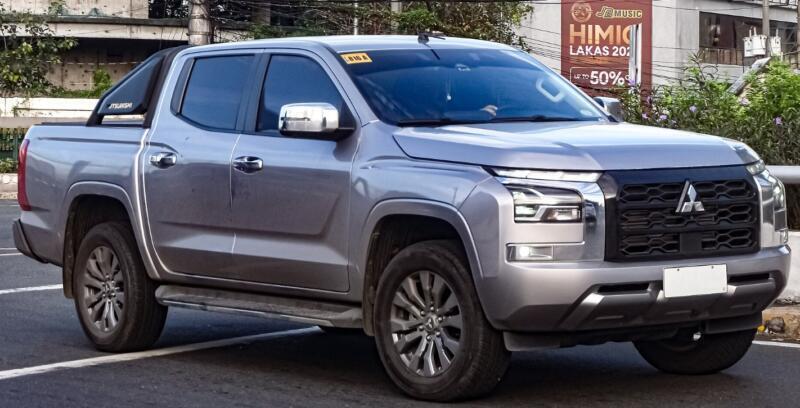
Reaching 60,000 km in a Mitsubishi Triton feels like arriving at a meaningful checkpoint. The ute is no longer fresh from the showroom, yet it should still have plenty of hard-working life ahead. Whether we use it for towing, forestry work, construction sites, farming, weekend adventures, or the daily commute, the 60,000 km service helps determine how confidently it will tackle the next chapter.
So, how much should we budget?
In New Zealand, the Mitsubishi Triton 60000 km service cost will commonly fall somewhere between NZ$650 and NZ$1,200 at an authorised Mitsubishi dealership. An independent workshop may charge approximately NZ$450 to NZ$850, depending on the Triton’s year, engine, transmission, drivetrain and the maintenance items due.
Those figures are practical estimates rather than fixed national prices. Mitsubishi New Zealand does not publish one universal 60,000 km price covering every Triton model and every dealer. Labour rates, fluid requirements and additional repairs can move the final invoice considerably.
The 60,000 km visit is also more than a quick oil-and-filter stop. It may include extra fluid changes, detailed drivetrain inspections and replacement of filters that were not required at smaller services. Think of it as a proper health assessment rather than a five-minute pulse check.
- Quick Mitsubishi Triton 60000 KM Service Cost Guide
- Why the 60000 KM Service Matters
- Is 60000 KM Considered a Major Triton Service?
- What Is Included in a Mitsubishi Triton 60000 KM Service?
- Fluid Changes That Can Increase the Cost
- What Inspections Should Be Completed?
- Dealer Versus Independent Workshop Costs
- Authorised Mitsubishi Dealer
- Independent Mitsubishi Specialist
- General Independent Mechanic
- Factors Affecting Mitsubishi Triton Service Cost
- Possible Extra Costs at 60000 KM
- How to Get an Accurate Triton Service Quote
- How to Save Money Without Cutting Corners
- Should We Use the Cheapest Workshop?
- Does a 60000 KM Service Improve Resale Value?
- Warning Signs That Need Attention Before 60000 KM
- How Long Does the Service Take?
- Is the 60000 KM Service Worth the Money?
- Sample Mitsubishi Triton 60000 KM Budget
- Final Verdict on Mitsubishi Triton 60000 KM Service Cost New Zealand
- Frequently Asked Questions
- 1. How much is a Mitsubishi Triton 60000 km service in New Zealand?
- 2. Is the 60000 km Triton service a major service?
- 3. How often should a Mitsubishi Triton be serviced in New Zealand?
- 4. Can an independent mechanic service my Triton?
- 5. Why did my Triton service cost more than the original quote?
Quick Mitsubishi Triton 60000 KM Service Cost Guide
Here is a realistic snapshot for New Zealand owners:
| Service provider | Expected cost in New Zealand |
|---|---|
| Authorised Mitsubishi dealer | NZ$650–NZ$1,200 |
| Independent Mitsubishi specialist | NZ$500–NZ$900 |
| General independent workshop | NZ$450–NZ$850 |
| Service with extra repairs | NZ$1,000–NZ$2,000+ |
A straightforward service on a well-maintained Triton may remain near the lower end. However, the bill can rise when the workshop finds worn brake pads, contaminated fluids, leaking seals, damaged suspension bushes or tyres nearing replacement.
We should therefore treat the initial quote as the cost of scheduled maintenance—not necessarily the guaranteed final bill.
Why the 60000 KM Service Matters
A Triton is designed to work, but toughness does not make it maintenance-free. Heavy loads, dusty roads, repeated towing and short urban trips can all accelerate wear.
At 60,000 km, several components have already completed thousands of heat cycles. Oil has flowed through the turbocharger countless times. Suspension parts have absorbed potholes, corrugations and speed bumps. Transmission fluid has handled repeated gear changes under varying loads.
Skipping a major service may save money today, but that saving can disappear faster than water on a hot bonnet if a neglected component fails later.
Regular servicing supports:
- Reliable starting and smooth engine operation
- Turbocharger protection
- Better fuel efficiency
- Predictable braking performance
- Longer transmission and differential life
- Warranty compliance where applicable
- Stronger resale value
- Early identification of developing faults
Mitsubishi Motors New Zealand states that its recommended servicing interval is generally every 15,000 km or 12 months, whichever comes first, as specified in the vehicle’s service book. That means the 60,000 km visit usually represents the fourth scheduled service for a Triton following the standard interval.
Is 60000 KM Considered a Major Triton Service?
In many cases, yes.
Not every maintenance item is replaced on every Triton at exactly 60,000 km. The required work depends on the model year and maintenance schedule. However, this visit tends to be more involved than a basic intermediate service.
A minor service may focus primarily on engine oil, the oil filter and general safety checks. The 60,000 km service can add more detailed inspections and fluid-related maintenance.
That extra workshop time is one reason the bill may look noticeably higher than the previous 45,000 km service.
Why Quotes Can Differ So Dramatically
One workshop might quote NZ$550 while another asks for NZ$1,050. At first glance, that looks suspicious. Yet the two quotes may not cover the same work.
The cheaper estimate might include:
- Engine oil
- Oil filter
- Basic inspection
- Labour
The more expensive quote might also include:
- Fuel filter
- Brake fluid
- Air filter
- Differential oils
- Transfer-case fluid
- Diagnostic scan
- Wheel rotation
- Road test
- Genuine Mitsubishi parts
- Environmental and workshop charges
Before choosing the lowest number, we should compare the actual list of operations. A bargain quote with half the required maintenance omitted is not really a bargain.
What Is Included in a Mitsubishi Triton 60000 KM Service?
The exact checklist should come from the maintenance schedule for the specific vehicle. A 2016 Triton may not have the same requirements as a current-generation model, and a two-wheel-drive ute will not need every service item associated with a four-wheel-drive system.
Even so, the following tasks commonly form part of a comprehensive 60,000 km service.
Engine Oil Replacement
Fresh engine oil is the backbone of diesel engine maintenance. It lubricates bearings, reduces friction, manages heat and protects the turbocharger.
Diesel oil also collects soot and contaminants during normal operation. As it ages, its protective qualities decline. A Triton that tows regularly or spends time idling may place even greater demands on its oil.
The workshop should use oil that meets the specification listed for the engine—not simply whatever bulk oil happens to be on the shelf.
Oil Filter Replacement
Replacing the oil without changing the filter would be like taking a shower and putting dirty clothes straight back on.
The filter traps particles that could otherwise circulate through the engine. It should generally be renewed whenever the engine oil is changed.
Fuel Filter Inspection or Replacement
Modern common-rail diesel systems operate under extremely high pressure and rely on clean fuel. Water or contamination can damage injectors and fuel-system components.
Depending on the Triton model and its service schedule, the fuel filter may be replaced at or around this mileage. The part and labour involved can add a meaningful amount to the total price.
A fuel filter is not glamorous. We never post photos of one after a weekend drive. Yet it quietly protects some of the most expensive hardware beneath the bonnet.
Engine Air Filter Inspection
The air filter prevents dust, grit and debris from entering the engine. Its condition depends heavily on the vehicle’s operating environment.
A city-driven Triton may still have a serviceable filter. A farm ute or vehicle regularly driven on gravel roads might need a new one much sooner.
A blocked filter can restrict airflow, reduce performance and contribute to poor fuel economy.
Cabin Filter Replacement
The cabin or pollen filter cleans the air entering the passenger compartment. When clogged, it may reduce ventilation performance and create unpleasant smells.
Some workshops include it in a scheduled service, while others list it as an optional replacement. Owners should ask whether it is included in the quote.
Fluid Changes That Can Increase the Cost
Fluids are often responsible for the jump from an ordinary service bill to a larger one.
Brake Fluid
Brake fluid absorbs moisture over time. As its water content rises, the fluid’s boiling point can fall, potentially reducing braking performance under heavy use.
A brake-fluid change may be recommended based on time rather than mileage. Therefore, a Triton reaching 60,000 km after several years could be due for fresh fluid even when it has not covered particularly demanding kilometres.
Automatic Transmission Fluid
We should not automatically assume that every Triton requires a full automatic transmission fluid replacement at exactly 60,000 km. Requirements differ by generation, gearbox and operating conditions.
However, transmission fluid deserves close attention, particularly when the ute has been used for:
- Frequent towing
- Heavy payloads
- Off-road driving
- Stop-start commercial work
- Extended low-speed operation
- Driving in severe heat or dust
A simple drain-and-refill may cost substantially less than a complete transmission service involving a filter, pan removal or specialised fluid.
Before approving the work, ask which procedure is being quoted and why it is recommended.
Manual Gearbox Oil
Manual Tritons may require gearbox-oil inspection or replacement according to the maintenance schedule.
The price depends on oil capacity, fluid specification and workshop labour. It is usually more affordable than repairing a gearbox damaged by contaminated or insufficient lubricant.
Front and Rear Differential Oil
Four-wheel-drive Tritons contain additional drivetrain components that require lubrication. Differential oil protects gears and bearings that experience tremendous pressure.
Towing and off-road work can place extra stress on these fluids. If differential oils are included at 60,000 km, the service cost may rise by several hundred dollars compared with a basic oil service.
Transfer-Case Fluid
The transfer case distributes power through the four-wheel-drive system. It has its own lubricant and maintenance requirements.
This is another item that distinguishes a 4WD Triton service from the maintenance of a simpler 2WD model.
What Inspections Should Be Completed?
A good service does not merely replace fluids. It also looks for early warning signs.
Brake System Inspection
The technician should inspect:
This content may interest you! Toyota RAV4 Air Filter Replacement Guide
- Front brake pads
- Rear brake shoes or pads
- Brake discs or drums
- Hydraulic hoses
- Fluid leaks
- Parking-brake operation
Brake replacement is usually not included in the advertised service price. If the pads are worn, the workshop should provide a separate estimate before proceeding.
Suspension and Steering Check
Tritons often operate in conditions that are tougher than an ordinary passenger car experiences. Ball joints, bushes, tie-rod ends, shock absorbers and wheel bearings deserve careful inspection.
Clunks, vague steering and uneven tyre wear may point to worn components. Catching these problems early can prevent secondary damage.
Tyre Condition and Pressure
The workshop should check tread depth, tyre pressure and signs of uneven wear.
Uneven wear can reveal:
- Incorrect tyre pressure
- Poor wheel alignment
- Worn suspension components
- Overloading
- Tyre damage
A rotation may be included or charged separately. Wheel alignment is normally an additional service.
Cooling-System Inspection
The cooling system protects the engine from excessive heat. The technician should inspect:
- Coolant level and condition
- Radiator hoses
- Hose clamps
- Reservoir
- Radiator
- Water-pump area
- Evidence of leaks
Coolant replacement schedules vary, so owners should consult the service booklet rather than approving a flush simply because a workshop recommends one generically.
Drive Belts and Hoses
Rubber components age through heat, movement and exposure. Cracks, glazing, swelling or fraying can indicate that replacement is approaching.
A failed belt can turn an ordinary journey into an expensive roadside problem.
Battery Test
A battery may appear healthy until the first cold morning exposes its weakness. Testing voltage and cranking capacity provides a more meaningful picture than simply checking whether the engine starts.
Battery replacement is not generally included in the base service price.
Diagnostic Scan
Modern Tritons contain multiple electronic control modules. A diagnostic scan can identify stored or pending fault codes, even when no warning light remains illuminated.
Some dealers include scanning as part of scheduled maintenance, while independent workshops may charge separately.
Dealer Versus Independent Workshop Costs
Choosing where to service a Triton is not merely about finding the cheapest hourly labour rate.
A dealership commonly charges more because of higher overheads, factory-trained staff, dealer-level diagnostic equipment and genuine parts.
Potential advantages include:
- Mitsubishi-trained technicians
- Access to manufacturer service information
- Genuine parts and approved fluids
- Software updates and campaign checks
- Familiarity with known Triton issues
- Electronic or stamped service history
- Easier warranty documentation
Newer vehicles still covered by Mitsubishi’s warranty may benefit from dealer servicing, especially when the owner wants the simplest possible paper trail.
Mitsubishi New Zealand says vehicles must be serviced according to the recommended intervals to maintain applicable Diamond Advantage Warranty conditions. Owners should check the terms applying to their particular vehicle and registration date.
Expected Dealer Price
For a 60,000 km Triton service in New Zealand, a reasonable dealer budget is:
NZ$650 to NZ$1,200
The lower end may reflect a relatively simple scheduled service. The upper end is more likely where multiple fluids and filters are due.
We should request a model-specific written estimate rather than relying on a generic advertised price.
Independent Mitsubishi Specialist
A reputable Mitsubishi specialist can offer a useful middle ground. The business may have extensive Triton experience without the cost structure of a franchise dealership.
Expected price:
NZ$500 to NZ$900
The best specialists understand model-specific procedures, use suitable scan tools and clearly identify whether parts are genuine, original-equipment quality or aftermarket.
General Independent Mechanic
A trusted local mechanic may charge:
NZ$450 to NZ$850
This can be a sensible choice for an older Triton outside its factory warranty. However, we should confirm that the workshop follows the correct service schedule and uses fluids meeting Mitsubishi’s specifications.
Cheaper servicing only works when the correct work is actually completed.
Older Triton Service Packages
Some New Zealand dealers offer lower-cost servicing packages for older Mitsubishi vehicles. For example, Gazley advertises servicing for Mitsubishi vehicles aged five years or more starting from NZ$299, although that entry price should not be confused with the likely cost of a complete model-specific 60,000 km service.
Likewise, Ingham Te Awamutu has advertised capped-price servicing categories starting at NZ$329 for diesel vehicles, but owners must confirm what the package covers and whether additional scheduled Triton items cost extra.
These offers can be useful starting points. They are not proof that every required 60,000 km operation will be completed for the advertised base price.
Factors Affecting Mitsubishi Triton Service Cost
No two Tritons arrive at 60,000 km with identical histories.
Model Year and Generation
Different generations use different engines, transmissions and service procedures. Parts prices and labour times can therefore vary.
A current bi-turbo Triton is not mechanically identical to an older single-turbo diesel model. The newest generation also uses a 2.4-litre bi-turbo diesel engine with a six-speed automatic transmission in relevant variants.
The registration number or VIN allows the workshop to prepare a more accurate quote.
Two-Wheel Drive or Four-Wheel Drive
A four-wheel-drive Triton contains more serviceable drivetrain components. Differential and transfer-case maintenance can make its service more expensive than an otherwise similar 2WD ute.
Automatic or Manual Transmission
Automatic transmission fluid can be costly, especially when the manufacturer specifies a specialised product.
Manual gearbox servicing may be simpler, but the exact cost still depends on fluid capacity and labour.
Vehicle Usage
A Triton used for school runs and motorway commuting lives a very different life from one hauling machinery across rural New Zealand.
Severe use can include:
- Regular towing
- Heavy payloads
- Dusty roads
- Mud and water crossings
- Frequent idling
- Repeated short trips
- Commercial stop-start driving
Under these conditions, some maintenance may be needed earlier or more frequently.
Labour Rates
Workshop labour rates vary by region and business type. An authorised dealer in central Auckland may charge more than an independent workshop in a smaller town.
However, labour rate alone tells us little. A skilled technician who completes the job correctly in less time may offer better value than a cheaper workshop that spends longer or overlooks key items.
Genuine Versus Aftermarket Parts
Genuine Mitsubishi parts are often more expensive, but they provide clear compatibility and may be preferred for warranty-related servicing.
Quality aftermarket filters and components can reduce the bill. The crucial word is quality. An unknown filter saving NZ$15 is a poor gamble when it protects an engine worth thousands.
Possible Extra Costs at 60000 KM
The base service estimate can expand when wear items need attention.
| Additional work | Approximate NZ cost |
|---|---|
| Front brake-pad replacement | NZ$300–NZ$650 |
| Brake-fluid replacement | NZ$100–NZ$200 |
| Engine air filter | NZ$60–NZ$150 |
| Cabin filter | NZ$50–NZ$130 |
| Fuel filter | NZ$150–NZ$350 |
| Differential-fluid service | NZ$180–NZ$450 |
| Transfer-case fluid | NZ$100–NZ$250 |
| Automatic transmission service | NZ$350–NZ$900 |
| Wheel alignment | NZ$90–NZ$160 |
| Battery replacement | NZ$250–NZ$500 |
| Wiper blades | NZ$50–NZ$150 |
These figures are broad estimates. Parts availability, model specifications and labour rates can push prices outside the ranges shown.
When the Bill Exceeds NZ$1,500
A high invoice does not necessarily mean the workshop is overcharging. It may include scheduled maintenance plus overdue repairs.
This content may interest you! Mitsubishi Triton Maintenance Cost New Zealand: Complete Ownership Guide
For example:
- Full scheduled service: NZ$850
- Front brake pads and machining: NZ$450
- Wheel alignment: NZ$120
- Cabin filter: NZ$80
- Wiper blades: NZ$70
Total: NZ$1,570
The key is transparency. Each additional item should be explained, priced and authorised before work begins.
How to Get an Accurate Triton Service Quote
Calling a workshop and asking, “How much is a Triton service?” is too vague. It is like asking how much dinner costs without saying whether we want fish and chips or a five-course meal.
Provide:
- Registration number
- Model year
- Current mileage
- Engine type
- Automatic or manual transmission
- 2WD or 4WD configuration
- Previous service history
- Typical vehicle use
- Any current symptoms or warning lights
Then ask for an itemised quote.
Questions to Ask the Workshop
Use these questions before booking:
- Is the quote based on my exact registration or VIN?
- Which filters are being replaced?
- Are brake fluid and drivetrain oils included?
- Does the price include GST?
- Are genuine Mitsubishi parts being used?
- Is a diagnostic scan included?
- Will you contact me before completing additional repairs?
- Are environmental or workshop charges included?
- Will the service record be updated?
- Is a courtesy vehicle available, and does it cost extra?
These questions can prevent the unpleasant moment when a NZ$650 estimate becomes a NZ$1,100 invoice without warning.
How to Save Money Without Cutting Corners
Saving money on maintenance should mean purchasing value—not deleting necessary work.
Compare Like-for-Like Quotes
Ask two or three reputable workshops for itemised estimates. Compare the parts, fluids and procedures rather than staring only at the final number.
One quote may be cheaper simply because it excludes the fuel filter or drivetrain oils.
Mention Symptoms Before the Appointment
Tell the workshop about warning lights, noises, vibration, difficult starting or unusual smoke in advance. This allows it to allocate diagnostic time and may prevent a second visit.
Avoid Delaying Small Problems
A leaking seal or worn suspension bush may be relatively affordable when discovered early. Left alone, it can damage neighbouring parts.
Maintenance is often like repairing a small roof leak. Ignore the drip and eventually we are replacing the ceiling.
Keep the Triton Clean Underneath
Mud traps moisture and hides leaks. Cleaning the underbody after off-road use makes inspection easier and may help reduce corrosion.
Avoid directing high-pressure water into sensitive electrical connectors or seals.
Check Basic Items Between Services
Owners can monitor:
- Engine oil level
- Coolant level when cold
- Tyre pressures
- Windscreen-washer fluid
- Exterior lights
- Unusual leaks
- Dashboard warnings
These checks do not replace professional servicing, but they can identify problems before they become expensive.
Should We Use the Cheapest Workshop?
Not automatically.
A low price may represent genuine efficiency and lower overheads. It may also represent cheap fluids, generic parts or an incomplete checklist.
A trustworthy workshop should be willing to explain:
- What the service includes
- Which specifications it follows
- What parts it uses
- Why additional work is recommended
- Whether repairs can safely wait
We should be cautious when a workshop refuses to itemise its quote or pushes urgent repairs without clear evidence.
Does a 60000 KM Service Improve Resale Value?
A single service will not magically add thousands to the sale price. However, a complete and consistent maintenance history makes a used Triton easier to trust.
Buyers of work vehicles often know how hard utes can be treated. A stamped service book and detailed invoices offer reassurance that the vehicle was not simply driven until something broke.
A documented 60,000 km service can therefore support:
- Buyer confidence
- Faster sale negotiations
- Fewer concerns during inspection
- Better defence of the asking price
Maintenance records are the vehicle’s biography. Missing chapters make buyers suspicious.
Warning Signs That Need Attention Before 60000 KM
We should not wait for the scheduled service when the Triton displays signs of trouble.
Book an inspection sooner if we notice:
- Oil-pressure warning light
- Coolant-temperature warning
- Engine knocking or rattling
- Loss of power
- Excessive exhaust smoke
- Transmission slipping
- Harsh or delayed gear changes
- Brake vibration
- Fluid leaks
- Steering looseness
- Repeated DPF warnings
- Unusual turbo whistle
- Difficult starting
Continuing to drive with an oil-pressure or overheating warning can turn a manageable repair into catastrophic engine damage.
How Long Does the Service Take?
A standard 60,000 km service may take approximately three to five hours. More extensive fluid changes, diagnostic work or repairs could keep the Triton at the workshop for a full day.
The time required depends on:
- Scheduled operations
- Parts availability
- Workshop workload
- Rusted or seized components
- Additional faults
- Road-testing requirements
When the ute is essential for work, ask about a courtesy vehicle or arrange the appointment for a quieter business day.
Is the 60000 KM Service Worth the Money?
A bill approaching NZ$1,000 can sting. Yet we should compare it with the cost of major mechanical failure.
Turbochargers, injectors, automatic transmissions and diesel fuel systems are expensive. Routine maintenance cannot prevent every breakdown, but it greatly improves the odds of reliable operation.
The service also gives us an opportunity to discover worn brakes, failing batteries or damaged suspension components before they create safety problems.
In that sense, the 60,000 km service is not simply an expense. It is an investment in predictable ownership.
Sample Mitsubishi Triton 60000 KM Budget
Let us imagine a 4WD automatic Triton arriving at a New Zealand workshop in good mechanical condition.
A possible estimate might look like this:
- Engine oil and filter: NZ$280
- Fuel filter: NZ$220
- Brake-fluid change: NZ$150
- Drivetrain-fluid maintenance: NZ$280
- Inspection, diagnostic scan and labour: NZ$250
- Consumables and environmental charges: NZ$40
Estimated total: NZ$1,220
Another Triton may only require the core scheduled service and inspections:
- Engine oil and filter: NZ$280
- Air-filter replacement: NZ$100
- General inspection and labour: NZ$250
Estimated total: NZ$630
Both invoices could be reasonable because the vehicles, maintenance schedules and included work differ.
Final Verdict on Mitsubishi Triton 60000 KM Service Cost New Zealand
For most owners, a sensible budget for the Mitsubishi Triton 60000 km service cost in New Zealand is approximately NZ$650 to NZ$1,200 at a Mitsubishi dealership or NZ$450 to NZ$900 at a reputable independent workshop.
A 2WD manual used gently may cost less. A 4WD automatic used for towing, off-road work or commercial duties may cost more—especially when transmission, differential, transfer-case or brake fluids are due.
The smartest approach is simple: obtain a registration-specific, itemised quote and compare the actual work included. Do not chase the cheapest number blindly, but do not accept a vague four-figure invoice either.
A Triton is a working partner. Treating its 60,000 km service seriously is how we keep that partner strong, dependable and ready when the road turns rough.
Frequently Asked Questions
1. How much is a Mitsubishi Triton 60000 km service in New Zealand?
A typical 60,000 km service may cost around NZ$650–NZ$1,200 at an authorised Mitsubishi dealer. Independent workshops may charge approximately NZ$450–NZ$900. The actual price depends on the model year, transmission, drivetrain and fluids or filters required.
2. Is the 60000 km Triton service a major service?
It is often considered a more comprehensive service than a routine oil change. Depending on the model, it may include additional filters, brake fluid, drivetrain oils and detailed mechanical inspections.
3. How often should a Mitsubishi Triton be serviced in New Zealand?
Mitsubishi Motors New Zealand generally recommends servicing every 15,000 km or 12 months, whichever occurs first, although owners should follow the schedule supplied with their exact vehicle.
4. Can an independent mechanic service my Triton?
An independent workshop can service a Triton, but it should follow the manufacturer’s schedule, use correct-specification fluids and document all work. Owners with vehicles under warranty should review their warranty conditions carefully before choosing a provider.
5. Why did my Triton service cost more than the original quote?
The workshop may have found worn brake components, contaminated fluids, damaged suspension parts, a weak battery or other faults. Additional work should be explained and authorised before it is completed. Ask for a detailed invoice separating scheduled maintenance from repairs.
This content may interest you! Toyota RAV4 Maintenance Schedule
Leave a Reply