
Ford Ranger Jerking While Accelerating: Causes, Diagnosis, and Fixes
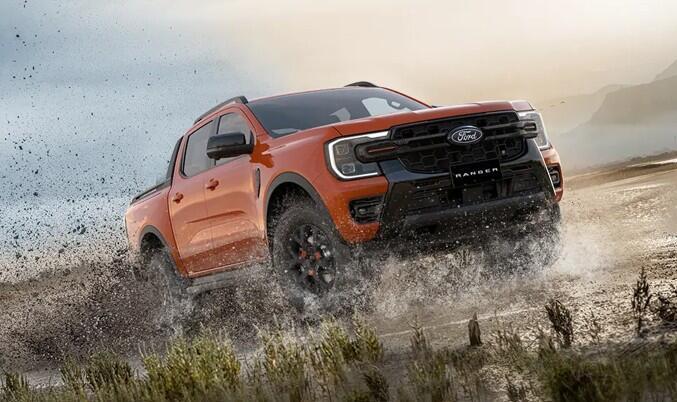
A Ford Ranger should pull away smoothly when we press the accelerator. When it suddenly hesitates, bucks, shudders, or jerks, the driving experience can feel like riding a horse that has spotted something suspicious on the road. Sometimes the problem appears only when the engine is cold. In other cases, it happens during overtaking, climbing hills, towing, or maintaining a steady speed.
The phrase Ford Ranger jerking while accelerating describes a symptom rather than a single fault. The cause could be as simple as contaminated fuel or as serious as a failing transmission. Diesel Rangers may suffer from blocked emissions equipment, injector problems, or turbo-related faults, while petrol models are more likely to experience ignition, air-intake, or fuel-pressure issues.
The key is to notice exactly when the jerking happens. That detail can narrow the diagnosis dramatically and prevent us from replacing perfectly good parts.
- What Does Jerking While Accelerating Feel Like?
- Why Is My Ford Ranger Jerking When I Accelerate?
- Dirty or Failing Fuel Injectors
- Clogged Fuel Filter
- Low Fuel Pressure or Weak Fuel Pump
- Faulty MAF or MAP Sensor
- EGR Valve Carbon Buildup
- Blocked Diesel Particulate Filter
- Turbo Boost Leak
- Worn Spark Plugs or Ignition Coils
- Automatic Transmission Jerking
- Dirty Throttle Body
- Contaminated or Incorrect Fuel
- Can Engine Mounts Cause Jerking?
- How to Diagnose the Problem Step by Step
- Is It Safe to Drive a Jerking Ford Ranger?
- Conclusion
- Frequently Asked Questions
What Does Jerking While Accelerating Feel Like?
Drivers describe the problem in several ways. We may feel a brief pause followed by a sudden surge, repeated bouncing under acceleration, vibration through the cabin, or a sharp jolt when the transmission changes gear.
Common symptoms include:
- Hesitation when pulling away
- Bucking at low engine speeds
- Jerking between particular gears
- Loss of power when climbing
- Shuddering under heavy acceleration
- Uneven engine idle
- Black, white, or blue exhaust smoke
- A flashing or illuminated check-engine light
- Reduced-power or limp-mode warnings
A single mild hesitation may come from low-quality fuel. Repeated jerking, however, usually points to a component that is no longer delivering fuel, air, ignition, or transmission power consistently.
Why Is My Ford Ranger Jerking When I Accelerate?
An engine runs smoothly only when air, fuel, compression, ignition, and exhaust flow remain balanced. If one element drops out for even a fraction of a second, power delivery becomes uneven.
In diesel Ford Rangers, a partially restricted diesel particulate filter is often associated with hesitation or intermittent power delivery during acceleration. [2]
Other frequently discussed possibilities include:
- Dirty fuel injectors
- A clogged fuel filter
- Weak fuel pressure
- Faulty airflow or pressure sensors
- Carbon buildup in the EGR system
- Turbocharger or boost leaks
- Automatic transmission problems
- Worn spark plugs on petrol models
- Damaged engine or transmission mounts
- Electronic throttle or software faults
Let us examine each possibility more closely.
Dirty or Failing Fuel Injectors
Fuel injectors must deliver precisely measured amounts of fuel at exactly the right moment. A dirty injector may spray poorly instead of producing a fine mist. A failing injector may supply too much fuel, too little fuel, or no fuel intermittently.
When one cylinder receives inconsistent fuel, the Ranger may jerk under acceleration because the engine’s power pulses become uneven.
Signs of Injector Trouble
Injector-related symptoms can include:
- Rough idle
- Diesel knocking
- Hard starting
- Excessive smoke
- Poor fuel economy
- Fuel smell
- Loss of power
- Jerking under load
A professional leak-off or balance test can identify an injector that is returning too much fuel or operating outside specification. Adding injector cleaner may help mild contamination, but it will not repair an electrically or mechanically damaged injector.
Clogged Fuel Filter
The fuel filter protects the injection system from water, dirt, rust, and other contaminants. As it becomes restricted, the engine may receive enough fuel to idle but not enough to accelerate strongly.
Imagine trying to drink through a pinched straw. At low demand, it may work. Under heavy acceleration, the restriction becomes obvious.
When to Suspect the Fuel Filter
We should inspect the fuel filter when:
- The problem appears under heavy throttle
- The Ranger loses power uphill
- The engine starts normally but struggles at higher rpm
- The filter replacement history is unknown
- Contaminated diesel is suspected
- Water is present in the fuel system
Replacing a neglected fuel filter is often one of the simplest and most sensible first steps.
Low Fuel Pressure or Weak Fuel Pump
A weak fuel pump can cause intermittent jerking because rail pressure falls when demand increases. Some reports of Ranger hesitation also mention possible fuel-pump, MAP-sensor, or DPFE-related faults as areas to investigate. [1]
A diagnostic technician can compare commanded fuel pressure with actual fuel pressure while driving. If actual pressure drops sharply during the jerk, the problem may involve the pump, pressure regulator, filter, injectors, or fuel lines.
Faulty MAF or MAP Sensor
The mass airflow sensor and manifold absolute pressure sensor help the engine computer calculate airflow and load. When either sensor sends inaccurate information, the computer may command the wrong amount of fuel or turbo boost.
Typical Sensor Symptoms
A faulty airflow or pressure sensor may cause:
- Jerking during acceleration
- Delayed throttle response
- Black smoke
- Poor fuel economy
- Reduced power
- Limp mode
- Inconsistent turbo boost
Cleaning a contaminated MAF sensor with the correct specialist cleaner may help, but we should never scrub its delicate sensing element. If scan data shows implausible readings, replacement may be necessary.
EGR Valve Carbon Buildup
The exhaust gas recirculation valve redirects part of the exhaust back into the intake to reduce emissions. Over time, soot and oily vapour can form thick carbon deposits.
A sticking EGR valve can disturb airflow and cause hesitation, rough running, smoke, or jerking at low and medium speeds.
Why EGR Problems Feel Worse at Low RPM
At lower engine speeds, the engine has less momentum to hide an uneven combustion event. A sudden change in EGR flow can therefore feel like a strong stumble or repeated surge.
Cleaning may restore operation if carbon buildup is the only problem. A failed motor or position sensor usually requires repair or replacement.
Blocked Diesel Particulate Filter
The DPF captures soot from the exhaust and burns it during regeneration. Frequent short journeys may prevent the exhaust from reaching the temperature needed to complete that process.
As soot loading increases, exhaust backpressure rises. The engine may feel strangled, hesitate during acceleration, or enter reduced-power mode. A partially clogged DPF has been identified as a frequent possible cause of acceleration hesitation in a diesel Ranger. [2]
Possible DPF Warning Signs
- DPF warning light
- Frequent regeneration
- Higher fuel consumption
- Hot smell after driving
- Cooling fan running after shutdown
- Reduced acceleration
- Limp mode
- Rising engine-oil level
A forced regeneration may help if the filter is loaded but undamaged. A filter packed with ash, contaminated by oil, or internally cracked may need professional cleaning or replacement.
Turbo Boost Leak
Turbocharged Rangers depend on sealed intake pipes to deliver compressed air. A split intercooler hose, loose clamp, damaged intercooler, or vacuum-control fault can cause boost pressure to disappear suddenly.
The Ranger may accelerate normally at first and then jerk or lose power as the turbo begins producing boost.
How to Recognise a Boost Leak
Look for:
- Hissing under acceleration
- Oily residue around intake hoses
- Black smoke
- Weak acceleration
- Underboost fault codes
- Jerking when the turbo comes on boost
A smoke test is one of the most effective ways to find leaks that are difficult to see.
Worn Spark Plugs or Ignition Coils
Petrol Ford Rangers rely on spark plugs and ignition coils to ignite the air-fuel mixture. A weak coil may work at idle but fail under acceleration when cylinder pressure rises.
Ignition-related jerking often feels sharp and repetitive, almost like someone is rapidly tapping the brakes.
Faulty spark plugs, ignition wires, or oxygen-sensor-related issues are also commonly considered when a Ranger jerks and loses power. [5]
Do Not Ignore a Flashing Engine Light
A flashing check-engine light often indicates an active misfire that may overheat and damage the catalytic converter. We should reduce speed and avoid heavy acceleration until the vehicle is diagnosed.
Automatic Transmission Jerking
Not every jerk comes from the engine. If the Ranger jolts during a gear change, the transmission may be responsible.
Possible causes include:
- Old or incorrect transmission fluid
- Low fluid level
- Valve-body wear
- Faulty shift solenoids
- Torque-converter shudder
- Adaptive-learning problems
- Internal clutch wear
- Transmission software issues
Some owners report jerking or unusual behaviour at lower road speeds, especially while holding a steady speed or moving through lower gears. [3]
Engine Jerking Versus Transmission Jerking
Engine jerking usually follows throttle position or engine load. Transmission jerking tends to appear during a specific shift, at a repeatable road speed, or when the torque converter locks and unlocks.
A scan tool capable of reading transmission data can help determine whether the jolt coincides with a gear command, torque-converter slip, or engine misfire.
Dirty Throttle Body
A dirty electronic throttle body can cause delayed or uneven throttle response. Carbon deposits around the throttle plate may prevent it from moving smoothly, especially during light acceleration.
Cleaning can help, but some Rangers require a throttle relearn procedure afterward. We should follow the correct service procedure rather than forcing the electronic throttle plate by hand.
Contaminated or Incorrect Fuel
Bad fuel can cause jerking immediately after refuelling. Water contamination, petrol mixed into diesel, diesel mixed into petrol, or fuel with insufficient quality may disrupt combustion and damage expensive components.
If the problem began directly after filling the tank, we should stop driving and have the fuel inspected. Continuing to run contaminated fuel through a high-pressure diesel system can turn a manageable problem into a costly repair.
Can Engine Mounts Cause Jerking?
Worn engine or transmission mounts do not usually cause combustion hesitation, but they can magnify normal drivetrain movement. A small gear change may feel like a heavy thump because the engine rocks excessively.
Mount problems are more likely when the Ranger:
- Clunks when selecting Drive or Reverse
- Vibrates at idle
- Lurches when lifting off the accelerator
- Moves excessively during a brake-torque test
- Produces knocking sounds from the engine bay
How to Diagnose the Problem Step by Step
We can approach the fault logically instead of replacing random parts.
Step 1: Record When It Happens
Note whether the jerk occurs:
- When cold or hot
- At low or high rpm
- Under light or heavy throttle
- During a particular gear change
- While towing
- After refuelling
- During DPF regeneration
- At a constant speed
Step 2: Scan for Fault Codes
Even when no warning light appears, pending or history codes may be stored. Useful code categories include misfire, fuel pressure, boost pressure, airflow, EGR, DPF, throttle, and transmission faults.
Step 3: Check Basic Maintenance
Inspect the air filter, fuel filter, spark plugs, transmission fluid condition, intake hoses, battery voltage, and service history.
Step 4: Review Live Data
A road test with live data can reveal:
- Fuel-pressure drops
- Airflow irregularities
- Boost-pressure loss
- Misfire counts
- DPF pressure
- EGR position errors
- Torque-converter slip
- Abnormal gear commands
Is It Safe to Drive a Jerking Ford Ranger?
Mild hesitation may allow careful travel to a workshop, but severe jerking should not be ignored.
Stop driving when:
- The engine light flashes
- Power disappears suddenly
- The vehicle produces heavy smoke
- The transmission slips
- The engine overheats
- Fuel is leaking
- The Ranger enters limp mode repeatedly
- The vehicle jerks dangerously in traffic
A small symptom can be the engine’s way of whispering before it starts shouting.
Conclusion
A Ford Ranger jerking while accelerating may be caused by restricted fuel delivery, dirty injectors, sensor errors, EGR carbon buildup, DPF blockage, turbo leaks, ignition misfires, contaminated fuel, or transmission faults.
We should begin with the basics: scan for codes, review the service history, inspect filters and hoses, and identify exactly when the symptom occurs. Replacing parts without testing is like throwing darts in the dark. A structured diagnosis saves money and usually finds the real cause faster.
Frequently Asked Questions
1. Why does my Ford Ranger jerk at low speed?
Low-speed jerking may come from EGR buildup, transmission behaviour, throttle-control issues, injector imbalance, or torque-converter operation.
2. Can a clogged fuel filter cause acceleration jerking?
Yes. A restricted filter may supply enough fuel at idle but fail to maintain pressure during acceleration.
3. Why does my diesel Ranger jerk uphill?
Climbing increases engine load. Fuel-pressure weakness, boost leaks, injector problems, or a restricted DPF may become more noticeable.
4. Can transmission fluid cause jerking?
Yes. Low, degraded, contaminated, or incorrect fluid can contribute to harsh shifts and torque-converter shudder.
5. Will a diagnostic scan identify the exact problem?
A scan provides valuable clues, but codes do not always identify the failed part directly. Live-data testing and physical inspection are often necessary.
This content may interest you! Ford Ranger Engine Problems: Symptoms, Causes, and Solutions
Leave a Reply