
Ford Ranger Engine Problems: Symptoms, Causes, and Solutions
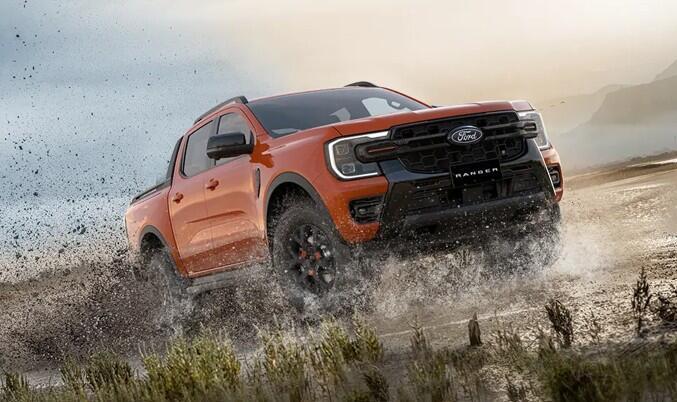
The Ford Ranger has built its reputation on toughness. It tows trailers, carries tools, tackles muddy tracks, and still looks perfectly at home outside a supermarket. Yet no pickup is indestructible. Beneath the Ranger’s broad shoulders sits a complicated collection of sensors, hoses, injectors, turbochargers, filters, and moving metal parts—and any one of them can occasionally spoil the party.
Ford Ranger engine problems vary considerably by model year, country, fuel type, engine family, mileage, and maintenance history. A diesel Ranger used for short urban journeys may develop completely different problems from a petrol EcoBoost truck that regularly tows near its limit.
That distinction matters. A warning light does not automatically mean the engine is finished, just as a strange noise should not be ignored because the truck still drives. The key is spotting patterns early.
In this guide, we will examine the most frequently discussed Ford Ranger engine issues, explain the warning signs, explore likely causes, and help owners decide whether they are dealing with a minor maintenance matter or a serious mechanical failure.
- Are Ford Ranger Engines Reliable?
- Most Common Ford Ranger Engine Problems
- Ford Ranger Diesel Particulate Filter Problems
- Ford Ranger EGR Valve Problems
- Ford Ranger Turbocharger Problems
- Ford Ranger Fuel Injector Problems
- Ford Ranger Fuel-Pump and Rail-Pressure Issues
- Ford Ranger Overheating Problems
- Ford Ranger Head-Gasket Symptoms
- Ford Ranger Oil-Leak and Oil-Consumption Problems
- Ford Ranger Timing Belt and Wet-Belt Concerns
- Ford Ranger 3.2 Diesel Engine Problems
- Ford Ranger 2.2 Diesel Engine Problems
- Ford Ranger 2.0 EcoBlue and Bi-Turbo Problems
- Ford Ranger 2.3 EcoBoost Problems
- Ford Ranger AdBlue System Problems
- Why a Ford Ranger Enters Limp Mode
- Ford Ranger Engine Knocking and Unusual Noises
- Ford Ranger Smoke Colours and Their Meanings
- How to Diagnose Ford Ranger Engine Problems
- How Much Do Ford Ranger Engine Repairs Cost?
- How to Prevent Ford Ranger Engine Problems
- Should We Buy a Ford Ranger With Engine Problems?
- Which Ford Ranger Engine Problems Are Most Serious?
- Final Thoughts on Ford Ranger Engine Problems
- Frequently Asked Questions
Are Ford Ranger Engines Reliable?
Generally, a properly maintained Ford Ranger engine can deliver years of dependable service. These pickups are designed for demanding work, but durability does not eliminate the need for careful servicing.
The greatest reliability differences often come from how the vehicle has been treated. A Ranger with documented oil changes, regular coolant checks, sensible towing habits, and long-distance driving may age far better than a lower-mileage truck that has spent its life making two-mile journeys on neglected oil.
Regular servicing is not merely a box-ticking exercise. Ford itself states that scheduled maintenance helps reduce the risk of costly, unforeseen repairs and supports efficiency, warranty coverage, and resale value.
We should also remember that “the Ford Ranger engine” is not a single engine. Depending on the market and generation, Rangers have used:
- Four-cylinder petrol engines
- Turbocharged EcoBoost petrol engines
- 2.2-litre diesel engines
- 2.0-litre single-turbo diesel engines
- 2.0-litre bi-turbo diesel engines
- 3.2-litre five-cylinder diesel engines
- V6 petrol and diesel engines
Each powertrain has its own personality, servicing requirements, and potential weak spots.
Most Common Ford Ranger Engine Problems
Although exact failure rates are difficult to establish without model-specific data, the issues Ranger owners most often investigate include:
- Diesel particulate filter blockage
- Exhaust gas recirculation system faults
- Turbocharger and boost-control problems
- Fuel injector wear or contamination
- Coolant leaks and overheating
- Oil leaks or abnormal oil consumption
- Timing belt, wet-belt, or timing-chain concerns
- Sensor and engine-management faults
- Intake-hose and intercooler leaks
- AdBlue or selective catalytic reduction problems
- Rough idling and misfiring
- Sudden loss of power or limp mode
Not every Ranger will experience these issues. More importantly, several problems create nearly identical symptoms. A truck with poor acceleration could have a split boost hose, blocked fuel filter, failing turbo actuator, clogged DPF, dirty airflow sensor, or transmission issue.
That is why diagnosis should come before parts replacement.
Ford Ranger Diesel Particulate Filter Problems
Why the DPF Becomes Blocked
Modern diesel Rangers use a diesel particulate filter, commonly called a DPF, to trap soot from the exhaust. As the soot load increases, the vehicle raises exhaust temperature during regeneration and burns much of that material away.
The system works well when the truck regularly reaches normal operating temperature. Trouble often begins when the Ranger mainly completes short, slow journeys. The engine may shut down before regeneration finishes, allowing soot to accumulate like dust inside a vacuum cleaner bag.
Eventually, the driver may notice:
- A DPF warning message
- Reduced engine power
- Increased fuel consumption
- A higher idle speed
- A hot or unusual exhaust smell
- The cooling fan running after shutdown
- Frequent regeneration attempts
- Limp-home mode
Ford notes that particulate filters are used to reduce solid particles from diesel exhaust. It also advises owners to consult the model-specific manual because emissions-system operation and requirements vary between vehicles.
Can a Blocked DPF Damage the Engine?
Yes, particularly when the problem is repeatedly ignored. Excessive exhaust backpressure may place additional strain on the turbocharger and emissions system. Interrupted regeneration can also contribute to fuel entering the engine oil on some diesel configurations, reducing the oil’s ability to lubricate internal components.
A partially loaded filter may recover through a successful regeneration. A heavily blocked or damaged unit may need professional cleaning or replacement. Genuine replacement DPF assemblies can be expensive, making prevention far cheaper than waiting for the warning light to become a permanent dashboard decoration. Ford’s UK parts catalogue, for example, lists Ranger-specific DPF assemblies as specialist-fit components rather than simple home-installation items.
How We Can Reduce DPF Trouble
Use the correct low-ash oil, keep the engine mechanically healthy, avoid repeatedly interrupting regeneration, and give the truck suitable longer journeys when safe and appropriate.
However, do not attempt to “drive the problem away” if the Ranger is overheating, knocking, producing heavy smoke, or displaying a serious engine warning. Those symptoms require diagnosis first.
Ford Ranger EGR Valve Problems
The exhaust gas recirculation valve directs a measured quantity of exhaust gas back into the intake to help control combustion temperatures and emissions. Over time, soot and oily vapour can collect around the valve and intake passages.
A sticking or restricted EGR system may cause:
- Rough idling
- Hesitation
- Black smoke
- Poor fuel economy
- Reduced pulling power
- Engine-management warnings
- Stalling at low speed
- Limp mode
The frustrating part is that EGR symptoms can mimic injector, turbo, airflow-sensor, or DPF faults. Replacing the valve without checking fault codes and live data can become an expensive guessing game.
Cleaning may help when contamination is the main issue, but a faulty electronic actuator, position sensor, cooler, or internal valve mechanism may require replacement.
Ford Ranger Turbocharger Problems
Signs of a Failing Ranger Turbo
A turbocharger forces additional air into the engine, helping a relatively small engine generate strong torque. It spins at extraordinary speed and depends on clean oil, steady oil pressure, effective cooling, and unrestricted airflow.
Possible signs of turbo trouble include:
- Whistling, siren-like, or grinding noises
- Blue or grey exhaust smoke
- Weak acceleration
- Delayed boost
- Oil inside boost pipes
- Excessive oil consumption
- An underboost or overboost fault code
- Limp mode under load
- A sudden drop in towing performance
Nevertheless, a loss of boost does not always mean the turbocharger itself has failed.
Check the Simple Components First
A split intercooler hose can make a healthy turbo behave like a broken one. Loose clamps, cracked vacuum lines, leaking intercooler joints, stuck wastegate mechanisms, dirty sensors, and faulty electronic actuators may all reduce boost pressure.
Before authorising a complete turbo replacement, we should expect the technician to inspect:
- Boost and intercooler hoses
- Intake pipes
- Vacuum supply
- Wastegate or variable-vane operation
- Turbo actuator function
- Oil feed and return lines
- Air filter condition
- Exhaust restrictions
- Requested versus actual boost data
Replacing the turbo without correcting its original cause is like replacing a blown light bulb while ignoring the voltage surge. The new component may fail again.
Ford Ranger Fuel Injector Problems
Diesel injectors operate under extremely high pressure and must deliver precisely measured fuel. Wear, contamination, electrical faults, poor-quality fuel, or water in the system can affect their spray pattern.
Common symptoms include:
- Hard starting
- Extended cranking
- Uneven idle
- Diesel knocking
- White, grey, or black smoke
- Poor fuel economy
- Loss of power
- Misfire codes
- Strong fuel smells
- Excessive exhaust emissions
A badly performing injector can do more than make the engine run roughly. Incorrect fuelling may increase soot production, overheat a cylinder, contaminate the oil, or place additional load on the DPF.
Why Injector Testing Matters
Injectors should not be condemned solely because the engine sounds noisy. A specialist may use correction values, return-flow testing, fuel-pressure readings, electrical checks, and cylinder-balance tests to identify the real offender.
Fuel-pump problems, low compression, air entering the fuel system, glow-plug faults, and sensor failures can produce similar symptoms.
Ford Ranger Fuel-Pump and Rail-Pressure Issues
A Ranger that cranks but refuses to start may not be receiving the fuel pressure required for combustion. The cause could be relatively simple, such as a restricted fuel filter, or far more expensive, such as internal high-pressure pump damage.
Potential symptoms include:
- Long cranking before startup
- Stalling shortly after starting
- Hesitation under acceleration
- No-start conditions
- Rail-pressure fault codes
- Metal contamination in the fuel system
- Power loss at high load
When a high-pressure pump fails internally, metallic debris may travel through the rail and injectors. In severe cases, repairing only the pump leaves contamination elsewhere in the system, placing the replacement parts at risk.
This is one repair where careful inspection and evidence matter. Ask what failed, whether contamination was found, which components were tested, and how the fuel system will be cleaned.
Ford Ranger Overheating Problems
An overheating Ranger demands immediate attention. Continuing to drive may transform a leaking hose or faulty thermostat into a warped cylinder head, damaged head gasket, or seized engine.
Warning signs include:
- Rising temperature gauge
- Coolant-temperature warning
- Steam from under the bonnet
- Sweet coolant smell
- Heater suddenly blowing cold air
- Coolant loss
- Bubbling in the expansion tank
- Reduced engine power
- White exhaust smoke
Potential causes include:
- Coolant leaks
- Damaged radiator
- Failed thermostat
- Weak water pump
- Cooling-fan fault
- Blocked coolant passage
- Leaking EGR cooler
- Failed expansion-tank cap
- Head-gasket damage
Ford advises owners to use the coolant type specified in the owner’s manual and fill the reservoir only to the correct cold-fill level.
What Should We Do When a Ranger Overheats?
Move to a safe location, switch off the engine, and allow it to cool. Never remove a pressurised coolant cap from a hot engine. Escaping coolant can cause serious burns.
Topping up the reservoir may help only if the loss is minor and the cause is understood. If coolant disappears again, the truck needs inspection. Coolant does not simply evaporate every weekend for no reason.
Ford Ranger Head-Gasket Symptoms
A damaged head gasket can allow coolant, oil, and combustion pressure to move where they should not. Common warning signs include:
- Repeated overheating
- Unexplained coolant loss
- Hard cooling-system hoses soon after startup
- Bubbles in the coolant reservoir
- White exhaust vapour after warm-up
- Misfiring on startup
- Contaminated oil
- Oil residue inside the coolant tank
- Poor compression
However, the famous “mayonnaise” under the oil cap is not always proof of head-gasket failure. Condensation from repeated short journeys can create a similar deposit.
Proper diagnosis may involve a cooling-system pressure test, combustion-gas test, compression test, cylinder leak-down test, and inspection of spark plugs or glow plugs.
Ford Ranger Oil-Leak and Oil-Consumption Problems
Engines need oil in the same way joints need lubrication. Once the supply falls too low, internal wear accelerates rapidly.
Possible leak points include:
- Rocker or valve-cover gasket
- Oil-filter housing
- Sump gasket or sealant
- Turbo oil lines
- Crankshaft seals
- Vacuum-pump seals
- Timing-cover joints
- Oil-cooler seals
Blue smoke, low oil levels, oily intercooler pipes, burning smells, or stains beneath the truck deserve investigation.
Ford recommends checking the dipstick regularly, including before long journeys, and notes that frequent topping-up or unusually high oil consumption can indicate an engine problem. It also stresses using the oil specification listed in the vehicle’s manual.
Why the Correct Oil Specification Matters
Viscosity is only half the story. Two oils labelled 5W-30 may meet entirely different manufacturer standards. The wrong formulation can affect turbo protection, emissions equipment, cold-start lubrication, service intervals, and belt materials.
Always match the exact Ford specification stated for the engine and market rather than choosing oil solely because the numbers on the bottle look familiar.
Ford Ranger Timing Belt and Wet-Belt Concerns
Some Ranger engines use timing chains, while others use conventional timing belts or belt-in-oil arrangements. The correct maintenance approach therefore depends on the exact engine code—not merely the vehicle’s registration year.
Timing-system warning signs may include:
- Rattling from the timing area
- Difficult starting
- Camshaft and crankshaft correlation codes
- Rough running
- Reduced power
- Oil-pressure warnings
- Belt debris in the oil
- Engine cutting out
- Complete no-start after internal contact
A broken or badly mistimed belt can allow pistons and valves to collide on interference-type engines. That can turn a scheduled service item into a major engine rebuild.
Never Guess the Replacement Interval
Check the VIN-specific maintenance schedule, owner’s manual, and any manufacturer updates. Imported vehicles, replacement engines, and model-year transitions can complicate the answer.
An online forum may confidently provide an interval that applies to another market, another engine, or another belt design. Confidence is not the same as accuracy.
Ford Ranger 3.2 Diesel Engine Problems
The 3.2-litre five-cylinder diesel is admired for its torque and distinctive character, but ageing examples may develop issues involving emissions equipment, injectors, cooling components, boost hoses, sensors, and oil leaks.
Owners sometimes report symptoms such as:
- Slow or uneven starting
- Reduced power
- DPF warnings
- EGR contamination
- Turbo-hose leakage
- Coolant loss
- Noisy injector operation
- Engine-management lights
The 3.2’s reputation also means used examples are frequently purchased for towing and heavy work. That makes service history especially important. A clean cabin and polished body do not reveal how often the truck hauled a trailer uphill on old oil.
When buying one, inspect cold-start behaviour, coolant condition, oil level, boost delivery, exhaust smoke, diagnostic history, and evidence of correct servicing.
Ford Ranger 2.2 Diesel Engine Problems
The 2.2-litre diesel can be economical and capable, but higher-mileage trucks may experience many of the familiar modern-diesel concerns:
- DPF restriction
- EGR blockage
- Injector wear
- Turbo or boost leaks
- Fuel-pressure faults
- Cooling-system leaks
- Sensor failures
- Oil seepage
Because some 2.2 Rangers are now well into working age, condition matters more than mileage alone. A 120,000-mile motorway truck with meticulous records may be a safer purchase than a 70,000-mile vehicle with missing history and evidence of repeated short journeys.
Look beyond the odometer. Examine invoices, oil specifications, filter changes, previous fault-code reports, and the quality of repairs.
Ford Ranger 2.0 EcoBlue and Bi-Turbo Problems
The 2.0-litre EcoBlue engine delivers strong performance from a relatively compact design. Bi-turbo versions use more complex boost control to provide response across a broad operating range.
Complexity does not guarantee failure, but it increases the number of components that can produce similar symptoms. Issues may involve:
- Boost-control actuators
- Intake or intercooler leaks
- DPF loading
- EGR operation
- AdBlue equipment
- Sensors
- Injector correction
- Oil quality
- Timing-system servicing
A loss of power in a bi-turbo model should not automatically lead to replacement of both turbochargers. The technician should verify airflow, requested boost, actual boost, actuator movement, exhaust restriction, and hose integrity.
Diagnosis is often less dramatic—and less expensive—than assumption.
Ford Ranger 2.3 EcoBoost Problems
North American Rangers commonly use Ford’s turbocharged 2.3-litre EcoBoost petrol engine. Potential complaints may include rough running, boost faults, coolant loss, ignition-coil issues, carbon deposits, sensor faults, or oil leaks, although the exact cause and prevalence vary by model year.
Owners of newer vehicles should also check their VIN for open recalls rather than relying on a general model list. NHTSA explains that a VIN search identifies whether an individual vehicle is affected by an active safety recall.
Recent recall information can change. Reports published in 2026, for example, described a recall affecting certain 2025–2026 Ford vehicles—including some Rangers equipped with the 2.3-litre EcoBoost—because an engine defect could result in loss of drive power. Applicability depends on the individual VIN, so this should not be interpreted as meaning every 2.3-litre Ranger is defective.
Ford Ranger AdBlue System Problems
Newer diesel Rangers may use AdBlue, also known as diesel exhaust fluid, within the selective catalytic reduction system. Ford explains that the fluid is injected into the exhaust to help convert nitrogen oxides into nitrogen and water.
Common AdBlue-related symptoms include:
- “No engine restart” countdown messages
- Incorrect fluid-level readings
- Warning lights after refilling
- Heater or pump faults
- Injector crystallisation
- NOx-sensor errors
- Reduced power
- Starting restrictions
Do not pour AdBlue into the diesel tank—or diesel into the AdBlue tank. Either mistake can create substantial repair bills.
Use the correct fluid, keep the filling area clean, and follow the model-specific capacity and refill instructions. Ford directs owners to the vehicle manual for the correct tank capacity.
Why a Ford Ranger Enters Limp Mode
Limp mode is a protective strategy. The engine computer detects a reading outside its expected range and limits performance to reduce the risk of damage.
Possible triggers include:
- Turbo overboost or underboost
- DPF restriction
- Low fuel pressure
- Excessive engine temperature
- EGR malfunction
- Airflow-sensor error
- Throttle-control problem
- Injector fault
- AdBlue system failure
- Transmission fault
Switching the engine off and restarting may temporarily restore power, but it does not repair the underlying fault. The warning may return the moment the same load, temperature, or boost condition occurs.
A proper scan should record stored codes, pending codes, freeze-frame data, and live readings before anything is erased.
Ford Ranger Engine Knocking and Unusual Noises
Engine noise is a language. A light injector tick, deep bearing knock, loose heat shield, timing rattle, and boost leak do not sound identical—even though owners may describe all of them as “a strange noise.”
Common Noise Patterns
Ticking: May relate to injectors, valve gear, an exhaust leak, or normal direct-injection operation.
Rattling: Could involve the timing system, accessory tensioner, heat shield, pulley, or internal wear.
Whistling: Often linked to turbo boost, an air leak, or a split hose.
Grinding: May indicate bearing, turbocharger, starter, pulley, or accessory damage.
Deep knocking: Potentially serious. It may involve combustion knock, injector problems, low oil pressure, or internal bearing wear.
Record the noise during a cold start and at operating temperature, but do not continue revving an engine that sounds mechanically distressed.
Ford Ranger Smoke Colours and Their Meanings
Exhaust smoke can offer useful clues.
Black Smoke
Black smoke usually indicates excessive fuel, insufficient air, or poor combustion. Possible causes include injector problems, blocked air intake, boost leaks, EGR faults, turbo issues, and DPF-related conditions.
Blue Smoke
Blue smoke normally suggests burning oil. Potential sources include worn turbo seals, piston-ring wear, valve-stem seals, crankcase ventilation issues, or excessive oil entering the intake.
White Smoke
A small amount of vapour on a cold morning can be normal condensation. Persistent white smoke may point to unburned diesel, injector faults, low compression, coolant entering a cylinder, or timing problems.
Smoke diagnosis should consider when it appears: at startup, under acceleration, while idling, during regeneration, or after a long downhill coast.
How to Diagnose Ford Ranger Engine Problems
A logical diagnosis usually follows this order:
- Confirm the customer’s exact complaint.
- Check engine oil and coolant levels.
- Inspect for visible leaks and damaged hoses.
- Scan all control modules for codes.
- Save freeze-frame and live data.
- Check battery voltage and charging condition.
- Compare requested and actual fuel or boost pressure.
- Test the suspected system rather than guessing.
- Verify the repair under the conditions that caused the fault.
A cheap code reader may identify a general system, but a code does not always name the failed part. An underboost code means the engine did not achieve expected boost. It does not automatically translate to “buy a turbocharger.”
How Much Do Ford Ranger Engine Repairs Cost?
Repair costs vary significantly by country, labour rate, engine, parts availability, and the extent of secondary damage.
As a broad hierarchy:
- Sensors, clamps, and small hoses are usually lower-cost repairs.
- EGR, DPF, injector, and turbo faults may move into moderate or expensive territory.
- Fuel-system contamination can become very expensive.
- Timing failure, overheating damage, low-oil-pressure damage, or internal engine failure may require rebuilding or replacement.
Request an itemised estimate showing diagnostic labour, parts, fluids, programming, taxes, and any additional recommended work.
A good workshop should be able to explain why the part failed—not just tell us which part it wants to replace.
How to Prevent Ford Ranger Engine Problems
We cannot prevent every defect, but we can tilt the odds strongly in our favour.
Use the Correct Oil
Match the exact Ford specification in the owner’s manual. Do not choose oil by viscosity alone.
Follow the Correct Service Schedule
Service requirements vary by engine and market. Use the VIN-specific schedule rather than a generic online chart.
Check Fluid Levels Regularly
A two-minute oil and coolant check can prevent a five-figure repair bill. Ford recommends regular dipstick checks and additional checks before long journeys.
Allow Diesel Regeneration to Complete
Where safe and consistent with the manual, avoid repeatedly shutting the engine down during an active regeneration.
Investigate Warning Lights Early
A small air leak can become a damaged DPF. A coolant seep can become a warped cylinder head. Problems rarely become cheaper through neglect.
Warm the Engine Sensibly
Drive gently until the engine reaches operating temperature. There is no need to leave it idling for ages, but full-throttle acceleration from stone cold is unnecessarily harsh.
Cool Down After Heavy Work
After sustained towing, steep climbing, or intense off-road use, allow the engine to return to a calmer operating condition before immediate shutdown.
Use Clean, Suitable Fuel
Contaminated fuel can damage pumps and injectors. Buy from reputable stations and replace the fuel filter at the required interval.
Should We Buy a Ford Ranger With Engine Problems?
A discounted Ranger with an engine warning may look tempting. Sometimes it is a simple sensor. Sometimes the seller already knows the repair costs more than the discount.
Before buying, obtain:
- A cold-start inspection
- A comprehensive diagnostic scan
- A cooling-system test
- An underbody inspection
- Service-history verification
- An oil-condition check
- A road test under load
- A VIN recall check
- A written estimate for known faults
Never accept “it only needs a sensor” unless the seller can show a diagnostic report proving it. If it truly needed a cheap sensor, why was it not replaced before sale?
Which Ford Ranger Engine Problems Are Most Serious?
Stop driving and seek professional assistance when the truck displays:
- An oil-pressure warning
- Severe overheating
- Loud internal knocking
- Heavy blue or white smoke
- Rapid coolant loss
- A flashing engine warning light
- Uncontrolled engine revving
- Fuel leaking near hot components
- Sudden mechanical grinding
- Complete loss of power in traffic
Continuing to drive may increase damage and create a safety risk.
A steady engine-management light with normal operation may allow cautious travel to a workshop, but the correct response still depends on the warning message and owner’s manual.
Final Thoughts on Ford Ranger Engine Problems
Ford Ranger engine problems are not one neat, universal list. The Ranger has been sold across numerous generations, countries, and engine configurations, so the same symptom may point to very different causes.
Diesel owners should remain particularly alert to DPF loading, EGR contamination, injector condition, turbo hoses, oil quality, and AdBlue warnings. Petrol EcoBoost owners should watch for ignition faults, coolant loss, boost issues, unusual oil consumption, and model-specific recalls.
The smartest approach is neither panic nor denial. Listen to the truck, check its fluids, document warning messages, scan the system before clearing codes, and fix small faults before they grow teeth.
A Ranger can be as dependable as a good work boot, but even the strongest boot eventually needs cleaning, stitching, and a new sole. Maintenance is not evidence that a truck is weak. It is how we keep a hardworking machine ready for the next job.
Frequently Asked Questions
1. What is the most common Ford Ranger engine problem?
There is no single issue affecting every Ranger. On modern diesel models, DPF restriction, EGR contamination, boost leaks, and emissions-system faults are frequently investigated. On petrol Rangers, ignition, turbo-boost, sensor, coolant, and oil-related issues may be more relevant. The engine type and model year must be identified before diagnosis.
2. Why does my Ford Ranger lose power when accelerating?
Possible causes include a split intercooler hose, turbo actuator fault, blocked DPF, dirty airflow sensor, restricted fuel filter, low rail pressure, EGR fault, injector problem, or transmission issue. Diagnostic codes and live boost or fuel-pressure readings are needed to narrow the cause.
3. Can I drive a Ford Ranger with the engine light on?
It depends on the warning. A flashing light, overheating warning, oil-pressure warning, severe misfire, heavy smoke, or loud knocking requires immediate shutdown. A steady light with normal operation may permit cautious travel to a workshop, but the owner’s manual should always guide the response.
4. How long should a Ford Ranger engine last?
Engine life depends heavily on servicing, operating conditions, fuel quality, towing, overheating history, and previous repairs. A well-maintained Ranger may cover high mileage, while a neglected low-mileage truck can develop major problems early. Service history is usually more informative than mileage alone.
5. Is it worth repairing a Ford Ranger engine?
It may be worthwhile when the truck is structurally sound, has a good transmission, and the repair cost remains comfortably below its post-repair value. Before deciding, compare the cost of repair, engine replacement, outstanding finance, future maintenance, and the price of an equivalent replacement vehicle.
This content may interest you! Ford Ranger 3.2 Engine Problems: Common Faults, Symptoms, and Solutions
Leave a Reply