
Tesla Model Y Issues: What We Should Know Before Buying or Owning One
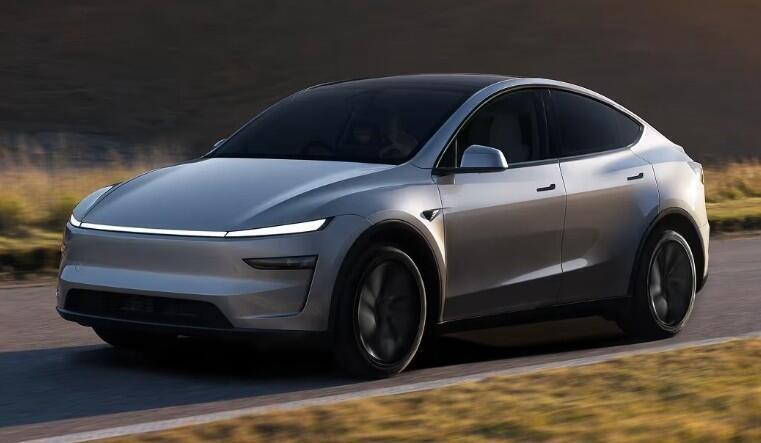
The Tesla Model Y is one of those cars that makes people argue in parking lots. Some owners treat it like a spaceship with cupholders. Others say it is brilliant but occasionally frustrating, like a phone that forgot it is also a car. And honestly? Both sides have a point.
When we talk about Tesla Model Y issues, we are not saying the Model Y is a bad vehicle. Far from it. It is fast, practical, efficient, packed with technology, and surprisingly roomy. But it is also a highly digital electric SUV built around software, cameras, sensors, minimalist controls, and frequent updates. That means its problems can feel different from the usual petrol-car headaches.
Instead of worrying about oil leaks, timing belts, or exhaust smoke, Model Y owners often talk about panel gaps, software bugs, suspension noises, tyre wear, battery range drops, touchscreen glitches, charging quirks, wind noise, and driver-assistance confusion.
So, let’s walk through the most common Tesla Model Y issues in plain English. No scare tactics. No fanboy fog machine. Just a practical, balanced guide for real buyers, current owners, and anyone wondering whether this electric SUV is as smooth as the marketing makes it look.
- Why Tesla Model Y Issues Get So Much Attention
- Common Tesla Model Y Issues at a Glance
- Tesla Model Y Build Quality Issues
- Tesla Model Y Interior Rattles and Cabin Noise
- Tesla Model Y Suspension Issues
- Tesla Model Y Tyre Wear Problems
- Tesla Model Y Range Issues
- Tesla Model Y Battery and Charging Issues
- Tesla Model Y Software Issues
- Tesla Model Y Autopilot and Driver-Assistance Issues
- Tesla Model Y Camera and Sensor Issues
- Tesla Model Y Brake Issues
- Tesla Model Y Water Leaks and Condensation
- Tesla Model Y Door, Window, and Handle Issues
- Tesla Model Y Low-Voltage Battery Issues
- Tesla Model Y Recall Issues
- Tesla Model Y Reliability by Year
- Tesla Model Y Maintenance Issues
- Used Tesla Model Y Buying Checklist
- Are Tesla Model Y Issues Expensive to Fix?
- Tesla Model Y Issues vs Traditional SUV Problems
- Should We Still Buy a Tesla Model Y?
- How to Avoid the Worst Tesla Model Y Issues
- Final Thoughts: Tesla Model Y Issues Are Real, But Manageable
- FAQs About Tesla Model Y Issues
Why Tesla Model Y Issues Get So Much Attention
The Model Y is not just another family SUV. It is a rolling tech product. That makes every little fault feel more visible.
A traditional car can have a clunky infotainment screen and people shrug. A Tesla screen freezes and suddenly the whole internet lights up like a dashboard warning symbol. That is partly because Tesla sells the idea of simplicity: fewer moving parts, fewer maintenance needs, fewer old-school mechanical dramas.
And yes, EVs generally remove many classic car problems. No oil changes. No spark plugs. No exhaust system. No automatic gearbox full of drama. But fewer parts does not mean zero issues. It simply moves the problem zone from greasy metal to electronics, fit and finish, tyres, software, sensors, and high-voltage systems.
The Model Y Is Popular, So Problems Are Easier to Spot
Because Tesla has sold so many Model Ys globally, owner feedback is everywhere. Forums, Reddit threads, YouTube videos, service reviews, complaint databases, and social media all create a giant megaphone.
That means one noisy suspension bushing can sound like a worldwide epidemic. Still, when the same issues appear again and again, we should pay attention.
Common Tesla Model Y Issues at a Glance
Before we dig deeper, here is the quick version. The most talked-about Tesla Model Y problems include:
- Build quality inconsistencies
- Panel gaps and paint defects
- Wind noise and cabin rattles
- Suspension clunks or squeaks
- Fast tyre wear
- Range loss in cold weather
- Touchscreen glitches
- Camera and sensor limitations
- Autopilot or driver-assistance confusion
- Door handle and window quirks
- Water leaks or condensation
- Charging problems
- Brake noise from low usage
- 12V or low-voltage battery warnings
- Recall-related fixes
Some of these are minor annoyances. Others can affect safety, comfort, or ownership cost. The trick is knowing which ones are common, which ones are serious, and which ones are easy to check before buying.
Tesla Model Y Build Quality Issues
Let’s start with the elephant in the showroom: build quality.
Tesla has improved a lot over the years, but the Model Y still has a reputation for occasional fit-and-finish problems. We are talking about things like uneven panel gaps, misaligned doors, poorly fitted trim, loose seals, imperfect paint, or tailgates that do not sit perfectly flush.
Are all Model Ys affected? No. Many cars are delivered perfectly fine. But when compared with legacy luxury brands, Tesla can sometimes feel less consistent.
Panel Gaps and Misalignment
Panel gaps are one of the classic Tesla talking points. Some owners notice that the bonnet, doors, boot lid, or bumper lines do not match evenly from one side to the other.
On a practical level, small gaps may not matter. But if a door or tailgate is badly aligned, it can create wind noise, water leaks, or closing problems.
Paint and Finish Complaints
Paint quality can also be a concern. Some buyers report thin paint, orange peel texture, small chips, dust marks under clear coat, or uneven finishing around edges.
This matters because the Model Y is not exactly cheap. When we spend premium money, we expect the paint to look like a polished piano, not a rushed DIY cabinet.
What We Should Check at Delivery
When collecting a new or used Model Y, inspect:
- Door alignment
- Boot and bonnet gaps
- Paint chips or bubbles
- Scratches on glass
- Loose interior trim
- Rubber seals
- Wheel damage
- Headlights and tail-lights
- Charging port operation
Do this in daylight if possible. Shadows hide sins.
Tesla Model Y Interior Rattles and Cabin Noise
The Model Y cabin looks clean and futuristic, but minimalism can expose noises. Since there is no combustion engine humming away, little rattles become more obvious. A tiny trim buzz can sound like a cricket trapped inside a laptop.
Wind Noise Around Windows and Mirrors
Some owners complain about wind noise at motorway speeds. This can come from window seals, mirror areas, door alignment, or glass fitment.
Frameless windows look sleek, but they need proper calibration. If a window does not seal tightly, wind noise creeps in.
Rattles From the Dashboard, Seats, or Boot Area
Common rattle zones include:
- Dashboard trim
- Rear seats
- Boot panels
- Seatbelt height adjusters
- Centre console
- Door cards
- Glass roof trim
Most rattles are not dangerous, but they can be maddening. Imagine buying a quiet electric SUV only to hear a plastic click every time the road gets rough.
Tesla Model Y Suspension Issues
Suspension complaints are another common topic. Some Model Y owners report clunks, squeaks, knocking sounds, or a firmer ride than expected.
The Model Y is heavy because of its battery pack, and heavy vehicles put more stress on suspension components. Add large wheels and low-profile tyres, and the ride can feel sharp over broken roads.
Firm Ride Comfort
Many drivers describe the Model Y as sporty but stiff. That can be fun on smooth roads and tiring on rough ones.
If we are coming from a soft family SUV, the Model Y may feel like it is reading every crack in the pavement aloud.
Clunks, Creaks, and Control Arm Concerns
Some owners have reported suspension noises from areas such as control arms, bushings, ball joints, or anti-roll bar links. Not every sound means disaster, but persistent knocking should be inspected.
When Suspension Noise Is a Red Flag
Pay attention if the sound:
- Happens when turning slowly
- Appears over bumps
- Gets worse over time
- Comes with steering vibration
- Feels like looseness in the front end
- Continues after tyre pressure correction
A quiet test drive is worth gold.
Tesla Model Y Tyre Wear Problems
Tyres are one of the most underestimated Tesla Model Y ownership costs. The car is quick, heavy, and full of instant torque. That combination can chew through tyres faster than expected.
Why Model Y Tyres Wear Quickly
Fast tyre wear can be caused by:
- Heavy battery weight
- Aggressive acceleration
- Performance variants
- Large wheels
- Alignment settings
- Incorrect tyre pressure
- Frequent urban driving
- Regenerative braking habits
The Model Y can launch like a startled cat. Fun? Absolutely. Cheap on tyres? Not always.
Uneven Tyre Wear
Some owners notice inner-edge wear or uneven patterns. This can point to alignment issues. Because EV tyres can be expensive, regular rotation and alignment checks matter.
How to Reduce Tyre Wear
We can stretch tyre life by:
- Rotating tyres regularly
- Checking pressures monthly
- Avoiding repeated hard launches
- Inspecting alignment after pothole hits
- Choosing comfort-focused tyres when replacing
- Monitoring tread depth across the full tyre width
Tesla Model Y Range Issues
Tesla range numbers can be a little like gym mirrors: encouraging, but not always real life.
Owners often find that actual range depends heavily on speed, temperature, tyres, terrain, driving style, and climate control use.
Cold Weather Range Drop
Cold weather can reduce EV range because the battery and cabin need heating. If we drive short trips in winter, the loss can feel dramatic.
This does not mean the battery is broken. It means chemistry is chemistry. Batteries dislike cold mornings as much as we do.
Motorway Driving Uses More Energy
EVs are efficient in town, especially with regenerative braking. At motorway speeds, aerodynamic drag rises sharply. The Model Y is sleek for an SUV, but pushing air at high speed still costs energy.
Range Anxiety vs Real-World Planning
Most owners adapt quickly. The real question is not “Can it match the brochure every day?” but “Does it cover our daily needs comfortably?”
For many people, yes. For long-distance drivers without easy charging, planning matters more.
Tesla Model Y Battery and Charging Issues
The high-voltage battery is the heart of the Model Y. Generally, Tesla battery packs have a strong reputation, but owners may still face charging quirks, slower charging speeds, error messages, or range degradation concerns.
Charging Port Problems
Some owners report charging port doors that refuse to open, fail to close, freeze in cold weather, or behave inconsistently.
Usually, this is more annoying than catastrophic. But if we rely on daily charging, a stubborn port can turn a normal evening into a mini soap opera.
Slow Charging Complaints
Charging speed depends on many factors:
- Battery temperature
- State of charge
- Charger output
- Charging cable quality
- Software limits
- Preconditioning
- Local charging infrastructure
A Tesla Supercharger can be very fast, but the fastest speeds usually happen when the battery is warm and at a lower charge level.
Battery Degradation Worries
Some range loss over time is normal. The first drop can happen early, then degradation often slows. But sudden or severe range loss should be checked.
Good Charging Habits
For everyday use, many owners avoid charging to 100% unless needed for a trip. Keeping the battery in a moderate range can help long-term health, depending on battery chemistry and Tesla’s own recommendations for the specific vehicle.
Tesla Model Y Software Issues
Software is one of Tesla’s greatest strengths and occasional headaches. Over-the-air updates can improve the car overnight. They can also introduce bugs, change menus, alter driver-assist behavior, or make familiar settings feel like they moved house without telling us.
Touchscreen Freezing or Lagging
Because so many controls live inside the central screen, any lag or freeze can feel serious. Owners may notice:
- Slow response
- Black screen
- Navigation delay
- Bluetooth issues
- App connection failures
- Climate control glitches
- Camera display problems
A reboot often fixes minor issues, but repeated failures should be documented.
App Connectivity Problems
The Tesla app is central to ownership. It controls charging, climate, locks, location, service appointments, and more. When it works, it feels magical. When it does not, we suddenly miss physical keys.
Common complaints include delayed connection, phone key problems, failed commands, or inaccurate status updates.
Tesla Model Y Autopilot and Driver-Assistance Issues
Tesla’s driver-assistance technology is powerful, but it is also one of the most debated parts of the car.
The key point is simple: the Model Y is not a fully autonomous vehicle in normal consumer use. The driver must stay alert, hands ready, and responsible.
Phantom Braking
Phantom braking is when the car suddenly slows down even though the road ahead appears clear. Owners have reported this in different Tesla models, including the Model Y.
It can happen because cameras or software interpret a shadow, bridge, vehicle, road sign, or lane situation incorrectly.
Lane Keeping and Camera Limitations
Tesla relies heavily on cameras. Bad weather, direct sunlight, dirty lenses, faded road markings, roadworks, and unusual lane layouts can confuse systems.
That does not make the technology useless. It means we should treat it as assistance, not a chauffeur.
Overtrust Is a Real Issue
The biggest risk may not be the technology itself but how people use it. If a driver treats Autopilot or FSD Supervised as a robot driver, the safety margin shrinks.
Think of it like cruise control with a brainy assistant—not a private pilot.
Tesla Model Y Camera and Sensor Issues
Newer Tesla vehicles shifted toward camera-based systems in many markets, reducing or removing ultrasonic sensors. This has created debate among owners.
Parking Assistance Accuracy
Some drivers feel camera-based parking assistance is less predictable than traditional sensors, especially in tight spaces, poor lighting, rain, or near low obstacles.
A bumper repair is an expensive way to learn that software distance estimates are not perfect.
Dirty Cameras Can Cause Warnings
The Model Y depends on clean cameras. Dirt, snow, condensation, or glare can trigger warnings or reduce driver-assistance features.
Owners should keep camera areas clean, especially before long trips.
Tesla Model Y Brake Issues
EV brakes live an unusual life. Because regenerative braking does much of the slowing, the physical brakes may be used less often. That sounds good, but underuse can lead to rust, noise, or uneven brake feel.
Brake Squeal or Grinding
Some brake noise can come from surface rust, especially after rain or washing. Usually, a few firm stops can clean the rotors. But persistent grinding, vibration, or pulling should be inspected.
Regenerative Braking Feel
New EV drivers sometimes need time to adjust. One-pedal driving can feel strange at first, then addictive later. If regen behavior changes because of cold battery temperature or high state of charge, the car may coast more than expected.
Tesla Model Y Water Leaks and Condensation
Water leaks are not the most common Model Y problem, but they do appear in owner reports. Possible areas include the boot, rear hatch, door seals, glass roof edges, and light clusters.
Boot Water Leaks
A wet boot floor or damp smell should never be ignored. Water can damage trim, electronics, and carpeting. It can also create mould, which is about as welcome as a raccoon in the pantry.
Light Condensation
Some condensation inside lights can be considered normal if it clears. Heavy water droplets or pooling is different and should be checked.
Tesla Model Y Door, Window, and Handle Issues
Tesla’s frameless windows and flush door handles look modern, but they can create quirks.
Window Indexing Problems
The windows slightly drop and raise when doors open and close. If calibration is off, the window may not seal correctly. This can cause wind noise, water entry, or door-closing resistance.
Door Handle Freezing
In cold climates, flush handles can freeze or stick. Tesla has improved this over time, but owners in winter regions should still be aware.
Preheating the car can help, but icy mornings can turn elegance into arm-wrestling.
Tesla Model Y Low-Voltage Battery Issues
The Model Y uses a low-voltage battery system to power key electronics. If this battery weakens or fails, owners may see warnings, access problems, or startup issues.
Warning Signs
Possible signs include:
- Low-voltage battery warning
- Car not waking properly
- App connection issues
- Door or screen glitches
- Service alerts
- Random electrical behavior
EVs may not have traditional engines, but they still need reliable low-voltage power to manage the brain of the vehicle.
Tesla Model Y Recall Issues
Recalls are part of modern car ownership, and Tesla is no exception. One important difference is that some Tesla recalls can be fixed through software updates, while others require physical inspection or parts.
Software Recalls vs Service Recalls
A software recall may arrive like a phone update. A physical recall may require a service appointment.
Owners should regularly check recall status using official tools, especially when buying used.
Why Recalls Should Not Be Ignored
Even if a recall sounds minor, it can affect compliance, safety, lighting, labels, camera function, or driver-assistance behavior. A small issue on paper can become a big problem at the wrong moment.
Tesla Model Y Reliability by Year
The Model Y has changed over time. Early production years had more reports of fit-and-finish issues. Later cars generally improved, although new versions can bring new teething problems.
Earlier Model Y Years
Earlier Model Ys may show more concerns around:
- Panel gaps
- Paint quality
- Cabin rattles
- Suspension noise
- Seal alignment
- Early software quirks
A used early Model Y can still be a good buy, but inspection matters.
Newer Model Y Years
Newer cars may benefit from manufacturing improvements, updated components, and refined software. However, refreshed models can introduce fresh problems, especially when production changes quickly.
The best used Model Y is not always the newest. It is the one with clean history, completed recalls, healthy battery data, good tyres, and no weird noises.
Tesla Model Y Maintenance Issues
Tesla maintenance is simpler than a petrol SUV, but it is not free.
Common Maintenance Items
Owners should budget for:
- Tyres
- Wheel alignment
- Cabin air filters
- Wiper blades
- Brake cleaning or service
- Brake fluid checks
- Suspension repairs
- 12V or low-voltage battery replacement
- Occasional trim or seal fixes
The big savings come from avoiding fuel, oil changes, and many engine-related repairs. But tyres and body repairs can still bite.
Used Tesla Model Y Buying Checklist
Buying a used Model Y can be smart, but we need to inspect it like detectives wearing comfortable shoes.
Exterior Checks
Look for:
- Uneven panel gaps
- Paint damage
- Cracked glass roof
- Damaged wheels
- Misaligned lights
- Poor bumper fit
- Signs of accident repair
Interior Checks
Check:
- Screen response
- Seat movement
- Window operation
- Door seals
- Cabin rattles
- Air conditioning
- App connection
- Charging cable condition
Driving Checks
During the test drive, watch for:
- Steering vibration
- Suspension clunks
- Brake noise
- Wind noise
- Pulling to one side
- Tyre roar
- Warning messages
Digital Checks
Before buying, verify:
- Battery range estimate
- Software version
- Service history
- Recall status
- Warranty coverage
- Supercharging access
- Title or accident history
Are Tesla Model Y Issues Expensive to Fix?
Some are cheap. Some are not.
A software bug may cost nothing if fixed by an update. A loose trim piece may be minor. But tyres, wheels, glass, suspension parts, body repairs, and out-of-warranty electronics can be expensive.
Tesla service pricing varies by country, region, parts availability, and repair complexity. Insurance can also be higher than expected because body repairs often involve sensors, cameras, calibration, and specialist work.
Tesla Model Y Issues vs Traditional SUV Problems
Compared with petrol SUVs, the Model Y avoids many classic headaches. There is no turbocharger, clutch, fuel pump, exhaust, oil leak, or timing chain drama in the traditional sense.
But it replaces those with EV-specific concerns:
- Charging access
- Battery health
- Software stability
- Camera reliability
- Tyre wear
- Repair network availability
- Digital controls
- High-voltage service limits
So, is the Model Y simpler? Mechanically, yes. Is ownership totally problem-free? No.
Should We Still Buy a Tesla Model Y?
For many people, yes. The Model Y remains one of the most compelling electric SUVs because it blends space, performance, charging convenience, software features, and efficiency in a way many rivals still struggle to match.
But we should buy with clear eyes. The Model Y is not a magic carpet. It is more like a very clever gadget on wheels: brilliant, fast, useful, and sometimes slightly moody.
If we have home charging, do mostly daily commuting, value technology, and can live with minimalist controls, the Model Y can be excellent. If we hate touchscreen controls, need perfect luxury refinement, drive mostly long remote routes, or expect old-school dealership service, we may feel frustrated.
How to Avoid the Worst Tesla Model Y Issues
The best strategy is prevention.
Before buying:
- Inspect the car carefully
- Test drive on rough and smooth roads
- Check recall status
- Review service history
- Inspect tyres and alignment
- Test charging
- Check all doors and windows
- Listen for rattles
- Verify warranty coverage
- Avoid rushed delivery acceptance
After buying:
- Keep software updated
- Rotate tyres
- Clean cameras
- Monitor range changes
- Use recommended charging habits
- Report warranty issues early
- Document noises with videos
- Book service before small problems grow
Final Thoughts: Tesla Model Y Issues Are Real, But Manageable
The Tesla Model Y is not perfect. It can suffer from build quality flaws, rattles, suspension noises, tyre wear, range changes, software bugs, charging quirks, and driver-assistance limitations. Pretending otherwise helps nobody.
But we should also avoid turning every complaint into a horror story. Many Model Y owners love their cars. They enjoy low running costs, strong acceleration, roomy practicality, easy charging, and the feeling of driving something that keeps evolving.
The smartest approach is balance. We can admire the Model Y without worshipping it. We can criticize its issues without dismissing the whole car. Like any vehicle, it rewards informed buyers.
So, if we are considering one, let’s inspect carefully, understand the common problems, check recalls, budget for tyres, and keep expectations realistic. The Model Y can be a fantastic electric SUV—but it is still a machine, not a miracle.
FAQs About Tesla Model Y Issues
1. What are the most common Tesla Model Y issues?
The most common Tesla Model Y issues include panel gaps, paint defects, cabin rattles, wind noise, suspension clunks, fast tyre wear, touchscreen glitches, range loss in cold weather, charging port quirks, and driver-assistance limitations.
2. Is the Tesla Model Y reliable?
The Tesla Model Y can be reliable for many owners, especially because it avoids many traditional engine and transmission problems. However, reliability depends on build quality, software stability, maintenance, tyres, and whether recalls or service issues have been handled.
3. Does the Tesla Model Y have battery problems?
Major battery failures are not commonly reported compared with minor ownership issues, but owners may notice range degradation, cold-weather range loss, slower charging, or battery-related alerts. Sudden range drops or warning messages should be checked by Tesla service.
4. Why do Tesla Model Y tyres wear out quickly?
The Model Y is heavy, powerful, and delivers instant torque. Aggressive acceleration, large wheels, incorrect tyre pressure, and poor alignment can all cause faster tyre wear. Regular rotations and pressure checks help reduce the problem.
5. Should I buy a used Tesla Model Y?
A used Tesla Model Y can be a smart buy if it has clean history, completed recalls, healthy battery performance, good tyres, no suspension noise, and remaining warranty coverage. Always inspect the car carefully and test every major feature before purchasing.
This content may interest you! Tesla Model Y Suspension Problems
Leave a Reply