
Tesla Model Y Towing Capacity: What We Can Really Pull
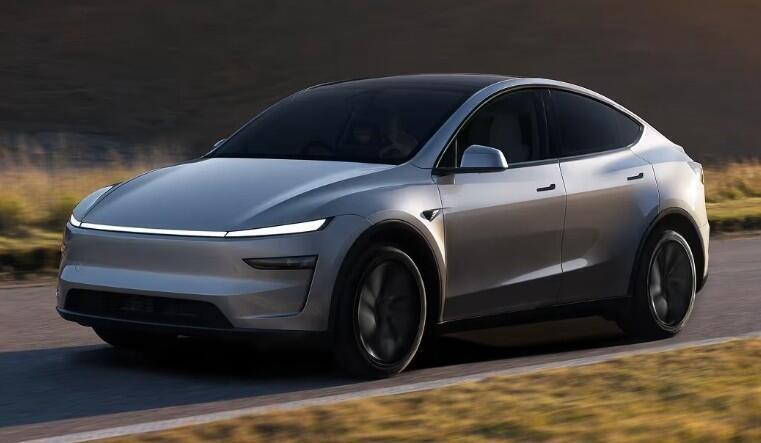
The Tesla Model Y towing capacity is one of those topics that sounds simple at first. We see the number, nod confidently, and think, “Great, it can tow.” But once we start asking real-world questions—Can it tow a small camper? What about a jet ski? Does towing crush range? Do we need the official tow package?—the conversation suddenly gets more interesting.
So, let’s talk about it the way real owners do. Not like a dry brochure. Not like a robotic spec sheet. We’re going to walk through the Tesla Model Y towing capacity in plain English, with practical examples, honest expectations, and the kind of details that matter when we’re actually standing in the driveway with a trailer attached.
- Tesla Model Y Towing Capacity Overview
- How Much Can a Tesla Model Y Tow?
- Tesla Model Y Tongue Weight Explained
- Does Every Tesla Model Y Have Towing Capacity?
- Tesla Model Y Tow Package: Is It Worth It?
- What Is Tesla Tow Mode?
- Real-World Tesla Model Y Towing Range
- Why Towing Reduces EV Range So Much
- What Can a Tesla Model Y Tow Comfortably?
- Can a Tesla Model Y Tow a Camper?
- Can a Tesla Model Y Tow a Boat?
- Can a Tesla Model Y Tow Another Car?
- Tesla Model Y Towing Capacity by Configuration
- Payload and Towing: The Hidden Limit
- Trailer Brakes and the Model Y
- Charging a Tesla Model Y While Towing
- Driving Tips for Better Model Y Towing Performance
- Tesla Model Y vs Gas SUVs for Towing
- Common Mistakes When Towing With a Tesla Model Y
- Is the Tesla Model Y Good for Towing?
- Who Should Tow With a Tesla Model Y?
- Final Thoughts: Tesla Model Y Towing Capacity in Real Life
- FAQs About Tesla Model Y Towing Capacity
Tesla Model Y Towing Capacity Overview
The headline figure is clear: the Tesla Model Y can tow up to 3,500 pounds when properly equipped. That number puts it in the useful-but-not-heavy-duty category. We’re not talking full-size truck territory here, but we are talking enough muscle for weekend toys, lightweight campers, utility trailers, and small boats.
Think of the Model Y like a strong, athletic friend who can help move furniture—but not someone we’d ask to carry a grand piano up five flights of stairs. It has real towing ability, but it works best when we respect its limits.
How Much Can a Tesla Model Y Tow?
The maximum Tesla Model Y towing capacity is generally rated at 3,500 lbs, or about 1,588 kg, depending on market and configuration. That figure usually applies when the vehicle has the correct Tesla tow package installed.
For many everyday towing needs, 3,500 lbs is surprisingly useful. It can cover:
- Small teardrop campers
- Lightweight travel trailers
- Jet ski trailers
- Small fishing boats
- Motorcycle trailers
- Utility trailers
- Small cargo trailers
- Bike racks and hitch-mounted carriers
But here’s the golden rule: the trailer’s loaded weight matters more than its empty weight. A trailer advertised at 2,700 lbs can easily creep toward 3,500 lbs once we add water, luggage, tools, coolers, camping gear, batteries, and accessories.
Tesla Model Y Tongue Weight Explained
Towing capacity tells us how much the Model Y can pull. Tongue weight tells us how much downward force the trailer puts on the hitch.
For the Tesla Model Y, the typical maximum tongue weight is 350 lbs when towing. That means the loaded trailer should place no more than 350 lbs downward on the hitch.
Why does this matter? Because tongue weight affects stability. Too little tongue weight, and the trailer can sway like a shopping cart with one bad wheel. Too much tongue weight, and we overload the rear of the vehicle, stress the suspension, and reduce control.
Simple Tongue Weight Rule
A good general target is about 10% of the loaded trailer weight.
So if we tow a 3,000-lb trailer, we’d usually expect around 300 lbs of tongue weight. That fits nicely under the Model Y’s 350-lb limit. But if the trailer is poorly loaded and puts 450 lbs on the hitch, we have a problem—even if the trailer itself is technically below 3,500 lbs.
Does Every Tesla Model Y Have Towing Capacity?
Not every Model Y is automatically ready to tow. The vehicle needs the proper tow equipment. Tesla’s official tow package is important because it includes more than just a metal hitch.
It may include:
- High-strength tow bar
- 2-inch hitch receiver
- Trailer wiring harness
- 7-pin connector
- Tow Mode software
- Tesla service installation
This matters because EV towing is not just about bolting a hitch onto the back. The vehicle also needs to communicate properly with the trailer lights, braking systems, stability controls, and software features.
Tesla Model Y Tow Package: Is It Worth It?
If we plan to tow, the Tesla Model Y Tow Package is absolutely worth considering. It gives the vehicle the hardware and software support needed for proper towing.
An aftermarket hitch might work for bike racks or cargo carriers, but towing a trailer is a different story. We’re dealing with weight, wiring, braking, balance, and safety. The official package helps keep everything integrated.
Why the Official Tow Package Matters
The Tesla tow package helps with:
- Safer trailer connection
- Proper trailer lighting
- Better vehicle software behavior
- Tow Mode activation
- Reduced guesswork
- Cleaner fit and finish
In other words, it turns the Model Y from “technically capable” into “properly prepared.”
What Is Tesla Tow Mode?
Tow Mode is Tesla’s software setting designed for towing. When enabled, it adjusts certain vehicle behaviors to help improve stability and trailer control.
This is one of those small details that makes the Model Y feel smarter than a traditional SUV. Instead of pretending the trailer is not there, the car adapts.
What Tow Mode Can Affect
Tow Mode may influence:
- Trailer sway control
- Parking sensor behavior
- Autopilot availability
- Safety warnings
- Trailer light monitoring
- Regenerative braking feel
We should not think of Tow Mode as magic. It does not increase towing capacity. It simply helps the vehicle behave more appropriately when towing.
Real-World Tesla Model Y Towing Range
Now we get to the question everyone asks: how far can a Tesla Model Y tow?
The honest answer is: it depends—a lot.
Towing can dramatically reduce electric range. That’s not a Tesla-only issue. Gas vehicles also burn more fuel while towing. But with an EV, we notice it more because range is displayed right in front of us like a countdown timer.
A Model Y that normally travels a long distance on a full charge may see range drop by 30%, 40%, or even 50% depending on trailer size, weight, shape, speed, weather, elevation, and driving style.
Why Towing Reduces EV Range So Much
Weight matters, but aerodynamics can matter even more. Pulling a compact utility trailer with a low profile is very different from pulling a tall camper that acts like a parachute.
At highway speeds, wind resistance becomes the big villain. A boxy trailer behind a Model Y is like asking the car to run a marathon while dragging a billboard.
Big Factors That Reduce Range
The biggest range killers are:
- Tall trailers
- Heavy loads
- High highway speeds
- Cold weather
- Strong headwinds
- Mountain climbs
- Underinflated tires
- Aggressive acceleration
- Poor trailer aerodynamics
If we want better towing range, slowing down is often the easiest win. Dropping from 70 mph to 60 mph can make a meaningful difference.
What Can a Tesla Model Y Tow Comfortably?
The Model Y can tow up to 3,500 lbs, but comfort and capability are not always the same thing. Just because we can tow at the limit does not mean we always should.
For relaxed towing, we’d usually feel better staying below the maximum. A loaded trailer between 1,500 and 2,800 lbs is often a more comfortable zone for many owners, especially for longer trips.
Good Trailer Matches for the Model Y
The Tesla Model Y is well suited for:
- Small utility trailers
- Lightweight campers
- Small enclosed trailers
- Jet ski trailers
- Motorcycle trailers
- Compact boat trailers
- Garden and DIY hauling trailers
It is less ideal for large campers, heavy car trailers, or anything that regularly pushes the 3,500-lb ceiling.
Can a Tesla Model Y Tow a Camper?
Yes, the Tesla Model Y can tow some campers, but the camper must be lightweight. Teardrop trailers and compact travel trailers are usually the best match.
The issue is not only weight. A camper may be under 3,500 lbs but still have a tall, blunt shape that hurts range badly. So the best camper for a Model Y is not just light—it is aerodynamic.
Best Camper Types for Model Y
The best options are usually:
- Teardrop campers
- Pop-up campers
- Small fiberglass campers
- Compact aerodynamic travel trailers
- Lightweight off-road micro-campers
Before buying a camper, we should check the loaded weight, tongue weight, height, width, and real owner towing reports.
Can a Tesla Model Y Tow a Boat?
Yes, a Model Y can tow a small boat if the combined trailer and boat weight stays within the limit. Fishing boats, small aluminum boats, and some personal watercraft setups can work well.
But boat ramps add another layer. Launching a boat means dealing with wet surfaces, incline, traction, and careful maneuvering. The Model Y’s instant torque is helpful, but we should still be cautious.
Boat Towing Tips
When towing a boat with a Model Y:
- Know the full wet weight
- Include fuel, gear, and trailer weight
- Use proper trailer lights
- Avoid steep or slippery ramps if unsure
- Keep tongue weight balanced
- Check local towing laws
A light boat is fine. A heavy boat near the limit? That deserves serious planning.
Can a Tesla Model Y Tow Another Car?
Usually, this is not the best idea. Many cars weigh well over 3,000 lbs by themselves, and once we add a car trailer, the total can easily exceed the Model Y towing capacity.
This content may interest you! Kia Cerato Towing Capacity: Complete Guide for All Generations
A lightweight race car on a lightweight trailer might still be too much. A typical vehicle trailer can weigh 1,500 to 2,000 lbs empty. Add a car, and we’re way past the safe zone.
So unless the total loaded trailer weight is confirmed below 3,500 lbs and tongue weight is within limits, we should avoid using the Model Y as a car hauler.
Tesla Model Y Towing Capacity by Configuration
In broad terms, many Model Y versions are rated up to 3,500 lbs when equipped correctly. This includes common versions such as Long Range AWD and Performance in many markets.
However, details can vary by model year, seating layout, wheel size, region, and official documentation. That’s why the owner’s manual for the exact vehicle should always be the final authority.
Why Configuration Matters
Towing limits may be influenced by:
- Model year
- Market or country
- Wheel size
- Tire specification
- Seating configuration
- Installed tow package
- Software support
- Payload inside the vehicle
This is where many people make a mistake. They see “3,500 lbs” online and assume it applies in every situation. It often does, but we should still confirm.
Here’s where towing gets sneaky. The trailer is not the only weight that matters. We also need to think about payload inside the vehicle.
Payload includes passengers, luggage, pets, cargo, roof boxes, and tongue weight. So if we load five adults, camping gear, coolers, and then add a trailer with 350 lbs of tongue weight, we may run out of available payload before we run out of towing capacity.
Payload Example
Imagine this:
- Four passengers: 700 lbs
- Luggage and gear: 250 lbs
- Trailer tongue weight: 300 lbs
That’s already 1,250 lbs of load affecting the vehicle. Even if the trailer is under 3,500 lbs, the total setup may be pushing comfort and safety.
Towing is a balancing act, not just one big number.
Trailer Brakes and the Model Y
For heavier trailers, trailer brakes are important. In many places, they are legally required above certain weight thresholds. Even when not required, trailer brakes can make towing smoother and safer.
The Model Y has strong regenerative braking, but regen is not a substitute for properly functioning trailer brakes. A trailer with its own braking system helps reduce stopping distance and improves control.
When Trailer Brakes Matter Most
Trailer brakes are especially useful when:
- Towing near the upper limit
- Driving downhill
- Traveling in rain
- Carrying fragile cargo
- Towing a camper
- Driving long highway routes
- Navigating mountain roads
Stopping is just as important as pulling. Maybe more.
Charging a Tesla Model Y While Towing
Charging while towing can be a bit awkward. Some Supercharger stalls require backing in, and a trailer can make that difficult. In some cases, we may need to unhitch the trailer before charging.
That’s not the end of the world, but it does add time and effort to road trips. Planning becomes essential.
Charging Tips While Towing
Before a towing trip, we should:
- Plan charging stops in advance
- Look for pull-through chargers when possible
- Leave extra range buffer
- Avoid arriving with very low battery
- Check trailer parking space
- Expect slower travel days
- Keep charging cables and adapters accessible
A normal EV road trip is like planning a coffee break. An EV towing trip is more like planning a small expedition.
Driving Tips for Better Model Y Towing Performance
The Model Y has instant torque, smooth acceleration, and a low center of gravity. These are great advantages. But towing still demands patience.
A trailer changes how the vehicle accelerates, turns, stops, and reacts to wind. We need to drive like we’re carrying a glass table on the roof: smooth, steady, and aware.
Practical Towing Tips
For safer and more efficient towing:
- Accelerate gently
- Brake earlier than usual
- Keep speed moderate
- Avoid sudden lane changes
- Use mirrors carefully
- Check tire pressures
- Balance trailer weight
- Secure all cargo
- Recheck hitch connections
- Use Tow Mode
Small habits make a big difference. Towing rewards calm drivers.
Tesla Model Y vs Gas SUVs for Towing
Compared with gas SUVs, the Model Y has some clear strengths. It delivers torque instantly, feels stable because of its battery placement, and does not struggle with gear changes. There’s no transmission hunting, no engine roar, no drama.
But gas SUVs often refuel faster and may handle long-distance towing with fewer stops. That’s the trade-off.
Where the Model Y Wins
The Model Y shines with:
- Smooth torque
- Quiet operation
- Low center of gravity
- Strong acceleration
- Lower running costs for local towing
- Smart software support
Where Gas SUVs Still Win
Gas SUVs may be easier for:
- Long towing road trips
- Remote routes
- Heavy trailers
- Fast refueling
- Large campers
- Frequent towing at max capacity
The Model Y is excellent for light-to-medium towing, especially when trips are planned well.
Common Mistakes When Towing With a Tesla Model Y
A lot of towing problems come from simple mistakes. The Model Y is capable, but it cannot rescue us from bad math.
Mistakes to Avoid
Avoid these:
- Using dry trailer weight instead of loaded weight
- Ignoring tongue weight
- Forgetting passenger and cargo payload
- Driving too fast
- Assuming range will stay the same
- Buying too much camper
- Using the wrong hitch setup
- Skipping trailer brake requirements
- Forgetting tire pressure checks
- Charging without route planning
The smartest towing setup is the one that feels boring. Boring means stable. Stable means safe.
Is the Tesla Model Y Good for Towing?
Yes, the Tesla Model Y is good for towing within its limits. It is not a heavy-duty tow rig, and we should not treat it like one. But for small trailers, light campers, weekend equipment, and recreational towing, it can be genuinely impressive.
The key is expectation. If we expect it to tow like a diesel truck, we’ll be disappointed. If we expect it to tow like a smart electric crossover with a useful 3,500-lb rating, we’ll probably be pleased.
Who Should Tow With a Tesla Model Y?
The Model Y is a good towing match for drivers who:
- Tow occasionally
- Use lightweight trailers
- Plan routes carefully
- Stay within weight limits
- Value smooth EV driving
- Usually tow short or medium distances
- Want a daily EV that can also haul
It may not be ideal for people who tow heavy loads every weekend, cross remote regions with large campers, or need maximum range while pulling a boxy trailer.
Final Thoughts: Tesla Model Y Towing Capacity in Real Life
The Tesla Model Y towing capacity gives us a practical maximum of up to 3,500 lbs, which is enough for many real-world needs. We can tow small campers, utility trailers, personal watercraft, motorcycles, and compact cargo trailers with confidence—provided we respect the numbers.
But towing with a Model Y is not just about asking, “Can it pull this?” The better question is, “Can it pull this safely, efficiently, and comfortably?”
When we account for tongue weight, payload, trailer shape, range loss, charging stops, and road conditions, the Model Y becomes a very capable light-duty tow vehicle. It is smooth, clever, quiet, and surprisingly strong. Still, it asks us to be thoughtful.
Treat the Model Y like a precision tool, not a brute-force hammer, and it can be a fantastic towing companion.
FAQs About Tesla Model Y Towing Capacity
1. What is the Tesla Model Y towing capacity?
The Tesla Model Y towing capacity is up to 3,500 lbs when properly equipped with the correct tow package. This makes it suitable for light campers, small boats, utility trailers, and recreational trailers.
2. What is the Tesla Model Y tongue weight limit?
The typical maximum tongue weight is 350 lbs when towing. Tongue weight is the downward force the trailer places on the hitch, and it is essential for safe trailer balance.
3. Does towing reduce Tesla Model Y range?
Yes, towing can significantly reduce range. Depending on trailer weight, shape, speed, weather, and terrain, range may drop noticeably. Tall or boxy trailers usually reduce range more than low, aerodynamic trailers.
4. Can a Tesla Model Y tow a camper?
Yes, the Model Y can tow lightweight campers, especially teardrop campers, pop-up campers, and compact aerodynamic trailers. Always check loaded trailer weight and tongue weight before towing.
5. Do we need the Tesla tow package to tow with a Model Y?
Yes, if we plan to tow properly and safely, the official Tesla tow package is strongly recommended. It includes the hitch hardware, wiring, connector, and Tow Mode software support.
This content may interest you! Mitsubishi Triton Long Range Fuel Tank: The Complete Upgrade Guide
Leave a Reply