
Ford Ranger Maintenance Checklist
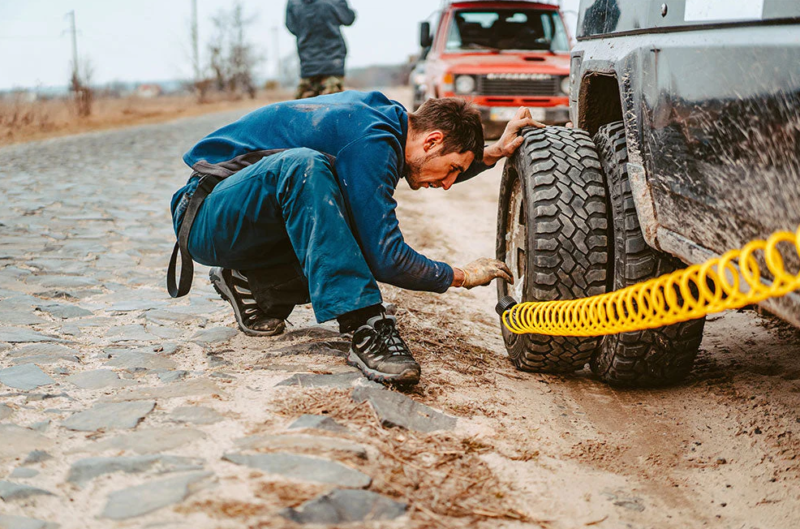
Owning a Ford Ranger means enjoying a rugged, reliable truck, but like any vehicle, it requires consistent care to perform at its best. This maintenance checklist is your essential guide to keeping your Ranger on the road, whether you’re navigating city streets or tackling tough trails.
From routine oil changes and tire inspections to brake checks and fluid top-offs, staying proactive prevents costly repairs and extends your truck’s lifespan. Performing these tasks at regular intervals—based on mileage or time—ensures safety, efficiency, and engine health.
Follow this comprehensive schedule to avoid unexpected breakdowns and maintain peak performance. Let’s dive into the essential steps every Ranger owner needs to know.
Essential Ford Ranger Maintenance Checklist for Long-Term Reliability
To keep your Ford Ranger running smoothly for years, a structured maintenance checklist is crucial. This guide provides a comprehensive overview of the key tasks, from routine fluid checks to critical component inspections, ensuring your truck remains dependable on and off the road. Following a consistent schedule helps prevent costly repairs and extends the life of your vehicle.
Engine Oil and Filter Change Schedule
Regularly changing the engine oil and filter is the most vital step in your Ford Ranger maintenance routine. For most modern Ranger models, including the 2.3L EcoBoost, it is recommended to replace the oil every 5,000 to 7,500 miles under normal driving conditions, or more frequently (every 3,000 to 5,000 miles) if you frequently tow, drive off-road, or operate in extreme temperatures.
Using the correct viscosity oil, such as SAE 5W-30 or as specified in your owner's manual, ensures proper lubrication, reduces engine wear, and helps maintain optimal fuel economy.
Transmission and Differential Fluid Inspection
The transmission and differential fluids are critical for the drivetrain's health in your Ford Ranger. For automatic transmissions, check the fluid level and condition every 30,000 miles; if the fluid appears dark or has a burnt smell, a flush and replacement is needed to prevent gear slippage or failure.
For the rear differential, inspect for leaks and change the gear oil every 50,000 miles, especially if you use your truck for towing or heavy hauling, as this helps protect the gears from excessive heat and friction.
This content may interest you! How to Extend the Life of Your Vehicle
Brake System and Tire Condition Checks
Ensuring your brake system and tires are in top condition is non-negotiable for safety. Inspect brake pads and rotors for wear every 10,000 miles; if you hear squeaking, grinding, or feel a pulsation in the pedal, replace them immediately to avoid rotor damage.
For tires, check the air pressure monthly and rotate them every 5,000 to 7,500 miles to promote even tread wear. Also, examine the tread depth (using the penny test) and look for cracks or bulges, especially after off-road use.
| Maintenance Task | Recommended Interval | Key Indicator |
|---|---|---|
| Oil & Filter Change | Every 5,000 - 7,500 miles | Oil life monitor or dark oil |
| Transmission Fluid | Every 30,000 miles | Burnt smell or slipping gears |
| Differential Fluid | Every 50,000 miles | Leaks or unusual noise |
| Brake Pad Inspection | Every 10,000 miles | Squeaking or grinding noises |
| Tire Rotation & Pressure | Every 5,000 - 7,500 miles & monthly | Uneven tread wear or low pressure |
Essential Ford Ranger Maintenance Checklist for Long-Term Performance
Following a structured maintenance schedule is crucial for maximizing the lifespan and reliability of your Ford Ranger. This checklist prioritizes key inspections and services that prevent costly breakdowns and preserve engine health.
By adhering to these guidelines, you ensure your vehicle operates efficiently under various driving conditions, from daily commutes to off-road adventures. Neglecting these fundamentals often leads to premature wear on critical components, so consistent attention is non-negotiable for any owner seeking durability.
Engine Oil and Filter Replacement Routine
Regular oil changes are the single most important task for your Ford Ranger’s engine longevity. For gasoline models, use full synthetic 5W-30 oil and replace the filter every 5,000 to 7,500 miles. Diesel variants require 5W-40 oil and more frequent intervals if towing.
Check the dipstick monthly, ensuring the level sits between the marks. Neglecting this leads to sludge buildup and eventual engine seizure, especially under severe driving conditions.
Transmission Fluid and Filter Service
Automatic transmissions in the Ford Ranger should have their fluid and filter replaced every 30,000 to 60,000 miles for optimal shift quality.
Use only Mercon LV or approved spec fluid—never universal alternatives. For manual transmissions, check fluid level at every oil change and inspect for burnt smells or metal particles. A failing transmission often shows symptoms like slipping or harsh engagement, which fluid service can prevent.
This content may interest you! Essential Maintenance for High-Mileage Ford Rangers
Cooling System Maintenance and Coolant Flush
Coolant degradation is a common cause of overheating in Rangers. Replace the engine coolant every 4 years or 50,000 miles using Ford-specific Orange or Yellow coolant.
Inspect hoses for cracks and the radiator for debris blockage. Neglected coolant becomes acidic, corroding the water pump and heater core. Always maintain the correct 50/50 mix to protect against freezing and boiling.
Brake System Inspection and Component Replacement
Brake pads on the Ford Ranger typically need replacement every 30,000 to 50,000 miles, but heavy towing halves this lifespan. Inspect rotors for warpage or deep scoring during pad changes. Flush brake fluid every 2 years to prevent moisture absorption that leads to internal corrosion. Check parking brake cables for rust, especially in salt-belt regions, as they are prone to seizing.
Spark Plugs and Ignition System Check
Spark plugs in the 2.3L EcoBoost and 3.3L V6 engines should be replaced at 60,000 miles for optimal fuel economy. Use motorcraft iridium-tipped plugs and torque them to specification to avoid stripping threads.
Misfires often stem from faulty ignition coils replace them in sets if one fails. Carbon buildup on valves is rare in port-injected models but affects direct-injection engines if oil separation is poor.
Frequently Asked Questions
What are the essential oil change intervals for a Ford Ranger?
For most Ford Ranger models, especially those with turbocharged EcoBoost engines, an oil change is recommended every 5,000 to 7,500 miles. However, always check your owner's manual. Using full synthetic oil (typically 5W-30 or 5W-20) is crucial for engine longevity. Severe driving conditions like towing, off-roading, or frequent short trips necessitate stricter 5,000-mile intervals.
How often should I rotate the tires on my Ford Ranger?
Ford recommends rotating the tires on your Ranger every 5,000 to 7,500 miles, ideally aligned with your oil change schedule. This promotes even tread wear, extends tire life, and maintains safe handling. On 4WD models, ensure the transfer case is in 2H before lifting the vehicle. Always check tire pressure during rotation and adjust according to the door jamb sticker.
What transmission fluid maintenance does a Ford Ranger require?
For automatic transmissions, Ford suggests inspecting the fluid level at every service interval. A pan drop and fluid/filter replacement is typically recommended every 30,000 to 60,000 miles for severe use. The 10-speed automatic (10R80) uses Mercon ULV fluid. Using the wrong fluid can cause shifting issues. Manual transmissions may need fluid top-ups but less frequent changes.
This content may interest you! DIY Maintenance Tips Every Driver Should Know
When should I replace the Ford Ranger's cabin air filter?
Replace the cabin air filter every 15,000 to 20,000 miles or at least once a year for optimal HVAC performance. If you frequently drive in dusty conditions, off-road, or notice reduced airflow from vents, replace it sooner. A dirty filter reduces cooling/heating efficiency and can allow pollen and dust into the cabin. The filter is located behind the glove box and is easy to replace.
Leave a Reply