
Nissan Murano Wheel Bearing Replacement Cost New Zealand: Complete NZ Guide
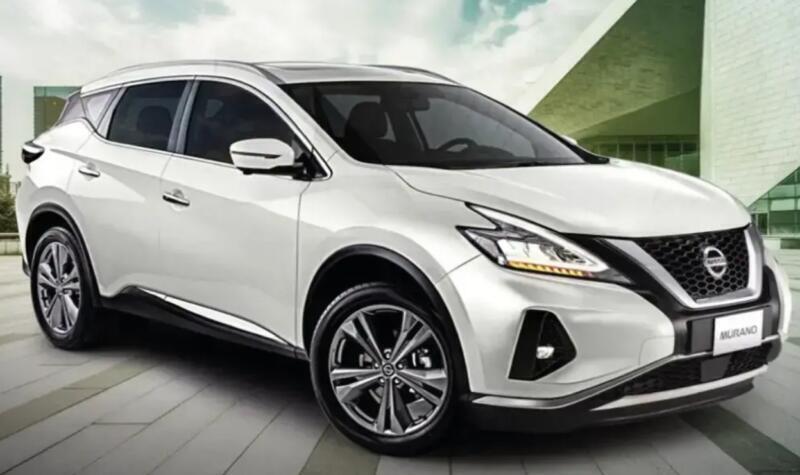
A strange humming noise from a Nissan Murano can be easy to ignore at first. Turn up the radio and it almost disappears, right? Unfortunately, when that low hum comes from a worn wheel bearing, it usually has no intention of fixing itself.
For New Zealand Nissan Murano owners, wheel bearing replacement is one of those repairs where the final bill can vary considerably. The generation of Murano, whether we're replacing a front or rear bearing, the type of replacement part, labour rates, and even where in New Zealand the work is carried out can all influence the price.
As a practical budgeting figure, Nissan Murano wheel bearing replacement in New Zealand may typically cost around NZ$400 to NZ$900 per wheel, although some jobs can fall outside that range. A straightforward repair using an aftermarket hub assembly at an independent workshop could sit toward the lower end, while genuine parts, difficult removal, additional suspension work, or dealer labour can push the cost higher.
So, what exactly are we paying for? And how do we know when the bearing actually needs replacing rather than simply having noisy tyres?
Let's break it down.
- How Much Does Nissan Murano Wheel Bearing Replacement Cost in New Zealand?
- What Is a Wheel Bearing and Why Does the Murano Need It?
- Nissan Murano Front Wheel Bearing Replacement Cost NZ
- Nissan Murano Rear Wheel Bearing Replacement Cost NZ
- What Determines Nissan Murano Wheel Bearing Replacement Cost?
- Symptoms of a Bad Nissan Murano Wheel Bearing
- What Does a Bad Murano Wheel Bearing Sound Like?
- Can We Drive a Nissan Murano With a Bad Wheel Bearing?
- How Long Does Nissan Murano Wheel Bearing Replacement Take?
- Dealer vs Independent Mechanic in New Zealand
- Should We Replace Both Nissan Murano Wheel Bearings Together?
- How Long Should a Nissan Murano Wheel Bearing Last?
- Can a Pothole Damage a Murano Wheel Bearing?
- Does Wheel Bearing Replacement Require an Alignment?
- How Can We Save Money on Murano Wheel Bearing Replacement?
- Why Online Bearing Prices Can Be Misleading
- How to Compare New Zealand Wheel Bearing Quotes Properly
- DIY Nissan Murano Wheel Bearing Replacement: Is It Worth It?
- Could Tyres Be Mistaken for a Bad Wheel Bearing?
- Is Nissan Murano Wheel Bearing Replacement Expensive Compared With Other SUVs?
- Should We Repair a Wheel Bearing Before Selling a Murano?
- Can a Bad Wheel Bearing Affect a WOF?
- What Is the Best Replacement Option for an Older Nissan Murano?
- Example Nissan Murano Wheel Bearing Repair Budgets
- How to Know Whether a Wheel Bearing Quote Is Fair
- Final Thoughts on Nissan Murano Wheel Bearing Replacement Cost in New Zealand
- Frequently Asked Questions
- 1. How much does it cost to replace a Nissan Murano wheel bearing in NZ?
- 2. Can I keep driving my Nissan Murano with a noisy wheel bearing?
- 3. Do I need to replace both Murano wheel bearings at once?
- 4. How long does a Nissan Murano wheel bearing replacement take?
- 5. Is an aftermarket Nissan Murano wheel bearing worth buying?
How Much Does Nissan Murano Wheel Bearing Replacement Cost in New Zealand?
For most owners searching for a quick number, we can use the following estimates as a starting point:
| Repair | Approximate NZ Cost |
|---|---|
| Wheel bearing diagnosis | NZ$70–NZ$160 |
| Aftermarket wheel bearing/hub | NZ$120–NZ$350 |
| Higher-quality or premium hub | NZ$200–NZ$450 |
| Labour | NZ$180–NZ$450 |
| Wheel alignment, if required | NZ$90–NZ$160 |
| Typical total per wheel | NZ$400–NZ$900 |
These figures are budgeting estimates rather than fixed quotes. Prices vary between workshops and Murano generations.
Some bearings are supplied as complete hub assemblies, while other applications may require different installation procedures. That's important because labour can quickly become a major part of the invoice.
A Realistic Budget for Murano Owners
If we simply want enough money set aside without knowing the exact fault yet, around NZ$600–NZ$750 for one wheel is a sensible working budget.
That doesn't mean the repair will necessarily cost that much. It gives us some breathing room for a quality bearing, labour, and minor complications.
If two bearings need replacement, however, the total can move toward NZ$800–NZ$1,600 or more, depending on parts and labour.
What Is a Wheel Bearing and Why Does the Murano Need It?
A wheel bearing allows the wheel and hub to rotate smoothly while supporting substantial vehicle loads.
Think of it as the quiet worker behind the curtain.
We barely notice it when everything is healthy. The wheel rotates freely, steering feels normal, and the cabin stays relatively quiet. Once the bearing wears, however, that invisible worker suddenly becomes surprisingly vocal.
The bearing has to deal with:
- Vehicle weight
- Cornering forces
- Road impacts
- Heat
- Water and contamination
- Thousands of kilometres of continuous rotation
The Murano isn't a tiny hatchback either. Its SUV proportions place meaningful loads on suspension and hub components.
Why Wheel Bearings Eventually Wear Out
Wheel bearings aren't normally replaced according to a fixed service interval. We replace them when wear or damage develops.
Age and mileage matter, but driving conditions matter too.
A Murano regularly driven over rough roads, potholes, gravel, or damaged urban surfaces can place greater stress on wheel bearings than a vehicle spending most of its life cruising smoothly on motorways.
Nissan Murano Front Wheel Bearing Replacement Cost NZ
Front wheel bearings often attract attention first because changes in their condition can become noticeable through steering feel and noise.
For a Nissan Murano in New Zealand, we might expect a front wheel bearing replacement to cost roughly NZ$450–NZ$900 per side.
Why such a wide range?
Parts quality makes a difference, but labour is equally important. Corrosion or a stubborn hub can turn what appears to be a routine job into a workshop wrestling match.
What Is Included in Front Bearing Replacement?
A typical job may involve removing the wheel, brake components, hub-related hardware and other necessary components before the bearing or hub can be removed.
The technician then installs the replacement component and reassembles everything to the correct specification.
Depending on the Murano generation and exact bearing design, the workshop may replace a complete hub-and-bearing assembly.
That can make parts more expensive but sometimes simplifies installation.
Nissan Murano Rear Wheel Bearing Replacement Cost NZ
Rear wheel bearing replacement can sit in a broadly similar range.
We should generally budget approximately NZ$400–NZ$850 per rear wheel.
Again, the exact figure depends heavily on the model year and replacement part.
Don't assume that rear bearings are automatically cheaper simply because they aren't connected to the steering system. The design of the hub and the condition of surrounding components matter more.
Front vs Rear: Which Costs More?
There isn't a universal winner.
On one Murano, the front could be more expensive. On another, parts availability could make a rear hub surprisingly costly.
The best comparison is based on the vehicle's VIN, model year and exact axle position.
What Determines Nissan Murano Wheel Bearing Replacement Cost?
Two owners can drive seemingly identical Muranos into different workshops and receive noticeably different quotes.
That's not necessarily suspicious.
Several legitimate factors affect the price.
1. Nissan Murano Model Year
The Murano has existed across multiple generations, and bearing or hub designs aren't necessarily identical between them.
Older vehicles may benefit from inexpensive aftermarket parts, but age can also create complications.
Rust, seized fasteners and worn neighbouring components can add labour.
Newer models may have more expensive hub assemblies or electronic components associated with the wheel-speed sensing system.
2. Genuine Nissan vs Aftermarket Bearings
Parts choice can dramatically affect the invoice.
A genuine Nissan component will commonly cost more than a generic aftermarket alternative.
But aftermarket doesn't automatically mean poor quality.
There are reputable bearing manufacturers producing high-quality components that can offer a good balance between price and durability.
Should We Always Buy the Cheapest Bearing?
Probably not.
A wheel bearing is a labour-intensive component to replace, so saving NZ$50 on an unknown bearing doesn't look particularly clever if we have to pay hundreds of dollars in labour to replace it again prematurely.
We should focus on total ownership cost, not simply the cheapest part sitting on a website.
3. Workshop Labour Rates
Labour prices vary throughout New Zealand.
Independent workshops can sometimes offer lower hourly rates than franchised dealerships, although that's not a universal rule.
Location also matters.
Workshops operating in larger cities may face higher premises and operating costs.
4. How Difficult the Old Bearing Is to Remove
Here's where estimates sometimes go sideways.
A technician might expect the hub to separate relatively easily. Instead, years of moisture, road grime and corrosion have practically welded everything together.
Additional removal time means additional labour.
The difference between a cooperative component and a stubborn one can easily change the final invoice.
5. Additional Damaged Components
Sometimes the wheel bearing isn't the only problem.
Inspection may uncover worn or damaged:
- Hub components
- ABS/wheel-speed sensor components
- Brake components
- CV-related components
- Suspension bushes
- Ball joints
- Fasteners
We shouldn't automatically approve every additional recommendation, but neither should we assume every extra item is unnecessary.
Ask the workshop to explain what has failed and why replacement is required.
Symptoms of a Bad Nissan Murano Wheel Bearing
Wheel bearings often give us warning before they become seriously damaged.
The classic symptom is noise.
Humming or Growling While Driving
A failing bearing can produce a humming, droning or growling noise that increases with road speed.
It may sound surprisingly similar to aggressive tyre noise.
That's why diagnosis matters.
Replacing a NZ$600 wheel bearing only to discover the real culprit was a badly worn tyre would be a painful lesson.
Noise Changes When Turning
Bearing noise may change as vehicle weight transfers during a corner.
For example, the sound may become louder while gently turning in one direction and quieter in the other.
This can help a technician identify which bearing is loaded and potentially faulty.
However, we shouldn't rely on this test alone.
This content may interest you! Audi A3 Battery Replacement New Zealand: Cost, Types & Tips
Wheel Play or Looseness
More advanced bearing wear can create unwanted movement at the wheel.
A mechanic can inspect the wheel for play while the vehicle is safely lifted.
Excessive movement requires investigation because other suspension or steering components can cause similar symptoms.
Vibration
A damaged bearing can sometimes contribute to vibration.
But vibration has a long list of possible causes, including:
- Wheel imbalance
- Damaged tyres
- Bent wheels
- Suspension wear
- CV joint problems
- Brake issues
Diagnosis before replacement is therefore essential.
ABS Warning Light
On vehicles where wheel-speed sensor functionality is associated with the hub area, a bearing or related component problem can potentially contribute to an ABS warning.
That doesn't mean every ABS warning indicates a wheel bearing problem.
The vehicle should be scanned and properly inspected.
What Does a Bad Murano Wheel Bearing Sound Like?
Imagine the distant rumble of an aircraft that never quite arrives.
That's roughly how some failing bearings begin.
At low speeds, we might barely notice anything. At 50 km/h, the noise becomes clearer. At motorway speed, it can develop into a persistent drone.
The important clue is often that the sound follows vehicle speed rather than engine speed.
If we accelerate the engine while stationary and the noise doesn't appear, that can help separate wheel-related noise from some engine-related sounds.
Still, tyre noise can imitate a bearing extremely well.
Professional diagnosis remains worthwhile.
Can We Drive a Nissan Murano With a Bad Wheel Bearing?
Driving indefinitely with a confirmed failing bearing isn't recommended.
Early bearing wear may initially present mainly as annoying noise, but continued deterioration can eventually affect wheel stability and surrounding components.
A severely damaged wheel bearing becomes a safety concern.
When Should We Stop Driving?
Arrange urgent inspection if we notice severe grinding, significant wheel looseness, abnormal handling, major vibration, or rapidly worsening symptoms.
If the vehicle feels unsafe, don't keep driving simply to avoid a towing bill.
A towing charge is usually cheaper than dealing with secondary damage—or an accident.
How Long Does Nissan Murano Wheel Bearing Replacement Take?
A relatively straightforward wheel bearing or hub replacement might take around 1.5 to 3 hours per wheel.
That doesn't mean every Murano will follow the textbook.
Older vehicles can fight back.
Corrosion, seized bolts and damaged fasteners can extend workshop time considerably.
Why Labour Time Matters
Suppose one workshop charges NZ$120 per hour and another charges NZ$160.
For two hours of labour, that's already an NZ$80 difference before we compare parts.
This explains why comparing only the bearing price doesn't tell us much about the final repair cost.
Dealer vs Independent Mechanic in New Zealand
Should we visit Nissan or use a local independent workshop?
Both options can make sense.
A Nissan dealer provides brand-specific familiarity and straightforward access to genuine components. That can be attractive, particularly on newer vehicles.
An experienced independent mechanic may offer a lower overall price and access to quality aftermarket alternatives.
When an Independent Workshop Makes Sense
For an older Murano, an established independent workshop can often provide strong value.
Wheel bearings aren't an exotic Nissan-only repair. Competent general automotive technicians deal with bearings and hub assemblies regularly.
What matters is the quality of diagnosis, workmanship and parts.
When a Nissan Dealer May Be Worth Considering
A dealer may be appealing when:
- The vehicle is relatively new
- We specifically want genuine Nissan parts
- There are associated electronic faults
- We want Nissan-specific diagnostic expertise
- Warranty or service-history considerations apply
Ask for a written quote either way.
Should We Replace Both Nissan Murano Wheel Bearings Together?
Not automatically.
Unlike brake pads, wheel bearings don't necessarily need to be replaced in axle pairs.
If the left front bearing has failed and the right front bearing remains healthy, replacing only the failed component can be perfectly reasonable.
However, if both sides have similar mileage and both show wear or noise, doing them together may save inconvenience later.
Can Replacing Both Save Labour?
Sometimes, but don't expect the second bearing to become virtually free.
Each wheel still requires substantial disassembly.
Ask the workshop whether there is any labour saving from completing both sides during the same visit.
How Long Should a Nissan Murano Wheel Bearing Last?
There isn't a guaranteed lifespan.
A wheel bearing can potentially last well beyond 100,000 km, and many survive considerably longer. Others fail earlier because of impact damage, contamination, component quality or driving conditions.
Rather than replacing bearings according to mileage alone, we should monitor symptoms and inspection findings.
What Can Shorten Bearing Life?
Several conditions can accelerate wear:
- Hard pothole impacts
- Rough-road driving
- Water contamination
- Incorrect installation
- Poor-quality replacement components
- Damaged seals
- Incorrect fastener torque
- Wheel or suspension modifications
- Repeated heavy impacts
A bearing isn't fragile, but it isn't indestructible either.
Can a Pothole Damage a Murano Wheel Bearing?
Yes, a sufficiently hard impact can damage wheel and suspension components, potentially including a bearing.
New Zealand roads aren't magically immune to potholes.
If we hit a particularly nasty one and suddenly develop humming, vibration or steering changes, it's worth having the wheel, tyre and suspension inspected.
Don't focus exclusively on the bearing. A pothole can damage several components at once.
Does Wheel Bearing Replacement Require an Alignment?
Not necessarily every time.
Whether alignment is required depends on what components were disturbed during the repair and whether there were existing alignment issues.
A workshop may recommend alignment if suspension geometry has been affected or if tyre wear suggests an existing problem.
Budget roughly NZ$90–NZ$160 if an alignment is required.
It's worth asking whether alignment is genuinely necessary for the particular repair rather than assuming it is automatically included.
How Can We Save Money on Murano Wheel Bearing Replacement?
Saving money doesn't have to mean buying the cheapest component available.
The smarter approach is reducing unnecessary cost while protecting repair quality.
A few strategies can help:
- Get two or three written quotes.
- Ask whether the quote includes parts, labour and GST.
- Confirm whether the replacement is a bearing or complete hub assembly.
- Ask what brand of aftermarket component will be installed.
- Request separate prices for genuine and quality aftermarket parts.
- Ask whether wheel alignment is necessary.
- Confirm the workshop warranty on parts and labour.
That final point deserves attention.
A slightly more expensive repair backed by a strong warranty can be better value than a bargain job with questionable parts.
Why Online Bearing Prices Can Be Misleading
We've all done it.
A mechanic quotes NZ$700, we search online, find a bearing advertised for NZ$140, and suddenly the workshop price looks outrageous.
But we're comparing an ingredient with the finished meal.
The online price may not include freight, GST differences, workshop markup, installation, diagnostic time, consumables, warranty administration or the risk the workshop takes when supplying the component.
It might not even be the correct bearing.
Cheap Parts Can Create Expensive Problems
If a low-quality bearing fails prematurely, we don't simply buy another bearing.
This content may interest you! Nissan Murano Head Gasket Replacement Cost New Zealand: Complete NZ Guide
We may have to pay for the labour again.
That's why a recognised mid-range or premium bearing can make financial sense even when it costs more initially.
How to Compare New Zealand Wheel Bearing Quotes Properly
Suppose Workshop A quotes NZ$480 and Workshop B quotes NZ$650.
The cheaper option looks obvious.
But let's ask a few questions.
Workshop A might be using an unbranded hub with a short parts warranty. Workshop B could be installing a recognised premium bearing and offering a stronger parts-and-labour warranty.
Now the comparison looks different.
Questions to Ask Before Booking
Ask:
- Is GST included?
- What bearing or hub brand are you using?
- Is labour included?
- Is diagnosis included?
- Is wheel alignment included or required?
- Does the hub include any necessary sensor-related components?
- What warranty comes with the repair?
- Will you contact me before carrying out additional work?
A five-minute conversation can prevent a nasty surprise when we collect the keys.
DIY Nissan Murano Wheel Bearing Replacement: Is It Worth It?
For an experienced home mechanic with appropriate equipment, wheel bearing replacement may be possible.
For the average owner, however, this isn't usually the best first DIY project.
Depending on the design, we may need substantial tools, lifting equipment, torque specifications, stubborn-component removal equipment and potentially a press.
Then there is the safety factor.
The wheel hub is a critical component.
DIY Costs Can Escalate Quickly
Buying a NZ$180 bearing sounds cheap until we discover we need additional tools, replacement hardware and several hours of work.
And if the bearing becomes stuck?
Saturday afternoon suddenly turns into Sunday night with a Murano sitting on axle stands.
Unless we already have the experience and tools, paying a competent workshop is often the more sensible route.
Could Tyres Be Mistaken for a Bad Wheel Bearing?
Absolutely.
This is one of the biggest reasons we shouldn't diagnose wheel bearings purely by ear.
Cupped or unevenly worn tyres can create a deep humming noise remarkably similar to a worn bearing.
A technician may inspect tyre wear, rotate wheels where appropriate, road-test the vehicle and inspect the hubs before reaching a conclusion.
Other possible sources of similar noises include CV joints, drivetrain components and brake-related problems.
Is Nissan Murano Wheel Bearing Replacement Expensive Compared With Other SUVs?
The Murano isn't necessarily unusual.
Modern SUVs frequently use integrated hub assemblies, and replacement bills of several hundred New Zealand dollars per wheel aren't uncommon.
The bigger question is the age and value of the vehicle.
A NZ$700 repair on a newer Murano may feel routine. The same repair on an older, high-mileage vehicle might make us think harder about upcoming maintenance costs.
Still, a worn bearing alone usually isn't a reason to abandon an otherwise healthy vehicle.
Should We Repair a Wheel Bearing Before Selling a Murano?
Generally, yes, particularly if the bearing is clearly noisy or has been diagnosed as worn.
A prospective buyer who hears a loud growl during the test drive will probably assume the worst.
Even if the repair costs NZ$600, the buyer might mentally deduct NZ$1,500 because they don't know what else is wrong.
Repairing a known safety-related mechanical issue also makes the vehicle easier to present confidently.
Can a Bad Wheel Bearing Affect a WOF?
A severely worn bearing can certainly become relevant during a vehicle safety inspection, particularly where excessive play or unsafe wheel condition is present.
The important point is that we shouldn't wait for a Warrant of Fitness inspection to tell us something we've already noticed.
If the wheel is grinding, loose or making rapidly worsening noises, have it inspected.
The WOF isn't a substitute for ongoing vehicle maintenance.
What Is the Best Replacement Option for an Older Nissan Murano?
For many older Muranos, a quality aftermarket hub or bearing from a reputable manufacturer can offer an attractive balance between cost and durability.
Genuine Nissan components remain an option, but their additional price may be difficult to justify on some older vehicles.
We should consider:
- Vehicle age
- Current mileage
- How long we plan to keep it
- Genuine-part price difference
- Aftermarket brand reputation
- Warranty coverage
If we're keeping the Murano for another five years, spending slightly more for a high-quality component makes sense.
If we're simply choosing between premium aftermarket and the cheapest anonymous bearing available, we'd generally lean toward the better-quality component.
Example Nissan Murano Wheel Bearing Repair Budgets
Let's turn everything into simple examples.
Budget Scenario
Aftermarket hub: NZ$160
Labour: NZ$220
Consumables: NZ$30
Estimated total: NZ$410
Typical Scenario
Quality bearing/hub: NZ$250
Labour: NZ$320
Additional workshop costs: NZ$40
Estimated total: NZ$610
Higher-Cost Scenario
Premium or genuine hub: NZ$420
Labour: NZ$400
Wheel alignment: NZ$120
Estimated total: NZ$940
These aren't quotations. They're illustrations showing how different repair bills can develop.
The takeaway is simple: NZ$400–NZ$900 per wheel is a useful starting range, but we should obtain a vehicle-specific quote before budgeting precisely.
How to Know Whether a Wheel Bearing Quote Is Fair
Price alone doesn't determine fairness.
A fair quote should clearly tell us what we're receiving.
Ideally, it identifies the replacement part, labour charge, GST treatment and additional recommended services.
Be cautious when the price is dramatically lower than every other quote.
Likewise, don't assume the highest quote guarantees the best repair.
Value sits somewhere between cost, component quality, workshop expertise and warranty.
Get the Diagnosis Before Shopping for Parts
This is arguably the most important money-saving advice in the entire guide.
Don't buy a wheel bearing simply because the Murano is humming.
Confirm the problem first.
A proper diagnosis costing NZ$100 can save us hundreds if the real problem is tyre noise or another component.
Final Thoughts on Nissan Murano Wheel Bearing Replacement Cost in New Zealand
A reasonable expectation for Nissan Murano wheel bearing replacement cost in New Zealand is approximately NZ$400 to NZ$900 per wheel, with around NZ$600–NZ$750 being a practical middle-of-the-road budgeting figure for many repairs.
The exact amount depends on the Murano's year, bearing location, parts choice, workshop labour rate and how cooperative the old components are during removal.
We don't need to panic at the first hint of a hum, but we shouldn't ignore it either.
Get the noise diagnosed, compare itemised quotes, choose a reputable replacement bearing and consider the warranty rather than chasing the absolute lowest price.
Wheel bearings are a little like good shoes: when they're doing their job, we barely think about them. When they aren't, every kilometre reminds us something is wrong.
Fix the problem properly once, and the Murano can return to what we actually want from it—quiet, smooth kilometres without that irritating soundtrack coming from underneath.
Frequently Asked Questions
1. How much does it cost to replace a Nissan Murano wheel bearing in NZ?
A useful estimate is around NZ$400–NZ$900 per wheel, including parts and labour. The exact Nissan Murano wheel bearing replacement cost in New Zealand depends on model year, bearing location, parts quality and workshop rates.
2. Can I keep driving my Nissan Murano with a noisy wheel bearing?
A vehicle with a suspected bearing problem should be inspected promptly. Minor noise may not mean immediate failure, but severe grinding, looseness, vibration or handling changes require urgent attention.
3. Do I need to replace both Murano wheel bearings at once?
No. Wheel bearings generally don't need to be replaced in pairs. If only one has failed and the bearing on the opposite side tests healthy, replacing only the faulty bearing is normally reasonable.
4. How long does a Nissan Murano wheel bearing replacement take?
A straightforward repair might take approximately 1.5–3 hours per wheel, although corrosion, seized hardware or other complications can increase labour time.
This content may interest you! Toyota RAV4 Rear Bumper Replacement Cost New Zealand: What We Should Really Expect to Pay
5. Is an aftermarket Nissan Murano wheel bearing worth buying?
Yes, provided we choose a reputable, good-quality component. A premium aftermarket bearing can offer excellent value compared with a genuine part, particularly on an older Murano. Extremely cheap, unknown-brand bearings may be a false economy because premature failure means paying for labour twice.
Leave a Reply