
Kia Cerato Tyre Pressure Warning Light: Causes, Reset Guide, and Fixes
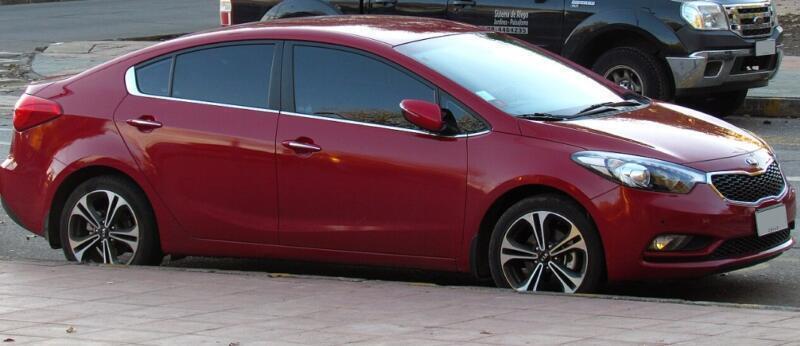
Seeing the Kia Cerato tyre pressure warning light appear on the dashboard can turn an ordinary drive into a small guessing game. Is a tyre actually going flat? Did cold weather simply lower the pressure? Has the tyre pressure monitoring system decided to throw a tantrum?
Fortunately, this warning is usually straightforward to understand. The tyre pressure monitoring system, commonly called TPMS, is designed to alert us when one or more tyres may be significantly underinflated. That matters because tyre pressure affects much more than comfort. It influences braking, steering response, fuel economy, tyre wear, and overall road safety.
The tricky part is that the warning light does not always disappear immediately after we inflate the tyres. Sometimes the system needs driving time to recognize the corrected pressure. In other situations, a sensor, wheel change, temperature shift, or TPMS malfunction may be responsible.
In this guide, we'll explain what the Kia Cerato tyre pressure warning light means, why it comes on, how to check the tyres correctly, what to do when the light stays illuminated, and when a professional inspection makes sense.
- What Does the Kia Cerato Tyre Pressure Warning Light Mean?
- How the Kia Cerato TPMS Works
- Why the Kia Cerato Tyre Pressure Warning Light Comes On
- A Slow Puncture Can Trigger the Warning
- What If the Warning Light Flashes First?
- How to Check Kia Cerato Tyre Pressure Correctly
- How to Reset the Kia Cerato Tyre Pressure Warning Light
- Why the Kia Cerato Tyre Pressure Light Won't Go Off
- TPMS Sensor Battery Failure
- Tyre Replacement Can Cause TPMS Problems
- Can Rotating the Tyres Trigger the Warning?
- Kia Cerato Tyre Pressure Warning After a Puncture Repair
- Can a Spare Tyre Cause the Warning?
- Driving With the Kia Cerato Tyre Pressure Warning Light On
- Why Correct Tyre Pressure Matters
- Seasonal Temperature Changes and the TPMS Light
- Why the Warning Might Disappear Later in the Day
- Can Overinflated Tyres Turn On the Kia Cerato TPMS Light?
- Tyre Pressure Light vs TPMS Malfunction
- How Much Does a Kia Cerato TPMS Sensor Cost to Replace?
- Can We Replace Just One TPMS Sensor?
- TPMS Warning After Changing the Car Battery
- What to Do If the Warning Keeps Returning
- Common Mistakes When Dealing With the Cerato TPMS Light
- How Often Should We Check Kia Cerato Tyre Pressure?
- Does TPMS Replace Routine Tyre Maintenance?
- When Should We Visit a Kia Dealer or Tyre Specialist?
- A Simple Kia Cerato TPMS Troubleshooting Checklist
- Final Thoughts on the Kia Cerato Tyre Pressure Warning Light
- Frequently Asked Questions
- 1. How do I reset the Kia Cerato tyre pressure warning light?
- 2. Why is my Kia Cerato tyre pressure light on when the tyres look fine?
- 3. Why does my Kia Cerato TPMS light keep coming back?
- 4. Can I drive with the Kia Cerato tyre pressure warning light on?
- 5. Why is the Kia Cerato tyre pressure warning light flashing?
What Does the Kia Cerato Tyre Pressure Warning Light Mean?
The tyre pressure warning light normally looks like a horseshoe-shaped tyre with an exclamation mark in the middle.
When this symbol illuminates, the vehicle's tyre pressure monitoring system has usually detected pressure below its expected threshold in at least one tyre.
Think of TPMS as a quiet passenger watching the tyres while we drive. Most of the time it says nothing. Once pressure falls enough to potentially become a concern, however, it taps us on the shoulder through the dashboard warning.
That does not necessarily mean we have an immediate puncture.
Possible explanations include:
- Naturally declining tyre pressure
- Cold weather
- A slow puncture
- A leaking valve
- Incorrect tyre inflation
- A damaged TPMS sensor
- Replacement wheels without compatible sensors
- A recently repaired or replaced tyre
- A TPMS communication fault
The first step should therefore be checking the actual tyre pressures rather than assuming the dashboard light itself is faulty.
How the Kia Cerato TPMS Works
Many Kia Cerato models use a direct tyre pressure monitoring system.
Direct TPMS typically relies on small electronic sensors installed inside the wheels, usually attached near the tyre valves. These sensors measure tyre pressure and transmit information to the vehicle electronically.
When the measured pressure falls below a predetermined level, the system turns on the warning indicator.
Direct TPMS vs Manual Pressure Checks
TPMS is useful, but it does not replace a tyre pressure gauge.
That's an important distinction.
The system is designed primarily as a warning device. It may not alert us to small pressure differences that are still worth correcting.
For example, a tyre might be somewhat below the manufacturer's recommended pressure without immediately triggering the dashboard light.
We should therefore continue checking tyre pressures manually, especially before:
- Long road trips
- Highway driving
- Carrying heavy loads
- Driving after major temperature changes
- Travelling with passengers and luggage
- Driving after tyre repairs
Where to Find the Correct Kia Cerato Tyre Pressure
The correct pressure is generally listed on the vehicle's tyre information label.
On many Cerato models, this sticker can be found around the driver's door opening or door pillar.
The owner's manual may also provide pressure information.
We should follow the pressure specification supplied for the exact vehicle rather than blindly copying a number from another Cerato found online.
Why?
Because recommended pressures can differ according to:
- Model year
- Wheel diameter
- Tyre size
- Body style
- Market
- Vehicle load
A Cerato running one wheel and tyre combination may require different inflation from another version.
Why the Kia Cerato Tyre Pressure Warning Light Comes On
Sometimes the reason is obvious. Other times, the warning appears when every tyre seems perfectly normal at first glance.
Let's look at the most common causes.
Low Tyre Pressure
Low pressure is the most obvious explanation.
Tyres naturally lose small amounts of air over time. Even without a puncture, pressure can gradually decrease through normal permeation.
That is why a Cerato that has been running perfectly for months can suddenly display the TPMS warning.
We shouldn't rely on appearance alone.
Modern tyres can look perfectly healthy while being several PSI below their correct pressure.
Cold Weather
Temperature can dramatically influence tyre pressure.
As ambient temperature drops, the air inside the tyre contracts. Consequently, tyre pressure falls.
A useful general rule is that tyre pressure may change by roughly 1 PSI for every 10°F change in temperature, although real-world results vary.
Imagine parking the Cerato overnight during a major cold spell. The tyres were fine yesterday afternoon, yet the TPMS light appears the following morning.
Nothing necessarily broke overnight.
The colder temperature may simply have pushed one tyre below the monitoring threshold.
Should We Add Air During Cold Weather?
Yes, if the measured pressure is below the manufacturer's recommended cold tyre pressure.
Do not intentionally leave tyres underinflated because we expect the weather to warm later.
Instead, adjust them to the correct cold pressure.
A Slow Puncture Can Trigger the Warning
If the warning light repeatedly returns after inflation, we should suspect a leak.
A tiny nail or screw can create a slow puncture that leaks only a little air each day.
This situation can be deceptive.
We inflate the tyre.
The warning disappears.
Three days later, it returns.
This content may interest you! Audi A3 Tire Pressure: The Complete Guide to PSI, TPMS, and Proper Inflation
We add air again.
Then the same thing happens.
At that point, repeatedly topping up the tyre is like putting buckets under a leaking roof without repairing the hole.
The tyre needs inspection.
Common Sources of Slow Leaks
Slow pressure loss may come from:
- Nails or screws
- Small tread punctures
- Valve stem leaks
- Damaged valve cores
- Wheel bead leaks
- Corrosion around the rim
- Wheel damage
- Previous tyre repairs
- Sidewall damage
A tyre shop can often locate slow leaks quickly using leak-detection methods.
What If the Warning Light Flashes First?
A flashing tyre pressure warning deserves different attention from a steadily illuminated light.
On many TPMS-equipped vehicles, a light that flashes for a period after startup and then stays illuminated indicates a malfunction in the monitoring system rather than simply low tyre pressure.
Potential causes can include:
- Failed TPMS sensor
- Dead sensor battery
- Incorrect sensor
- Sensor communication problem
- Newly installed wheels
- Damaged sensor
- TPMS control system fault
If the light only stays on continuously, begin by checking tyre pressure.
If it flashes first, a system diagnosis may be necessary.
How to Check Kia Cerato Tyre Pressure Correctly
Checking tyre pressure sounds almost too simple, yet incorrect checking causes plenty of confusion.
The best readings generally come when the tyres are cold.
A tyre is considered cold when the vehicle has been parked for several hours or driven only a short distance at low speed.
Step 1: Find the Recommended Pressure
Open the driver's door and locate the tyre pressure information label.
Record the recommended front and rear pressures.
Do not use the maximum pressure printed on the tyre sidewall as the normal inflation target.
That sidewall figure normally represents a maximum tyre specification, not the vehicle manufacturer's everyday pressure recommendation.
Step 2: Measure Every Tyre
Remove the valve cap and attach a reliable pressure gauge.
Check each road tyre individually.
If the Cerato displays individual tyre readings on its instrument cluster, those numbers can be helpful, but verifying with an external gauge is still sensible when diagnosing a persistent warning.
Step 3: Inflate Low Tyres
Add air until each tyre reaches its specified cold pressure.
Avoid deliberately overinflating the tyres just to extinguish the warning light.
Overinflation can negatively affect:
- Ride comfort
- Tyre wear
- Road contact
- Handling characteristics
Correct pressure is the goal—not simply making the dashboard symbol disappear.
Step 4: Reinstall the Valve Caps
Valve caps look insignificant, but they help protect the valve mechanism from dirt, moisture, and contamination.
Replace any missing caps.
Step 5: Drive the Vehicle
After correcting the pressure, drive normally.
The TPMS may require some time and vehicle movement before updating.
Depending on the Cerato generation and system, the light may not disappear immediately while the car is parked.
How to Reset the Kia Cerato Tyre Pressure Warning Light
Many drivers search for a Kia Cerato TPMS reset button, expecting something similar to a trip-meter reset.
However, not every Cerato uses a dedicated manual TPMS reset button.
On many direct-monitoring systems, the process is essentially automatic.
We correct the tyre pressures and then drive the car until the monitoring system recognizes the updated readings.
Basic Kia Cerato TPMS Reset Procedure
A practical general procedure is:
- Park safely.
- Allow the tyres to cool if possible.
- Check all tyre pressures.
- Inflate each tyre to the specification on the vehicle label.
- Start the vehicle.
- Drive normally for several minutes.
- Recheck the dashboard warning.
If the warning disappears, the system has successfully recognized the correct pressure.
If it remains on, investigate further instead of repeatedly adding air.
Should We Disconnect the Battery to Reset TPMS?
Generally, no.
Disconnecting the battery is not a proper solution for an actual tyre pressure problem.
Even if the dashboard temporarily clears, the warning can return because the underlying condition remains.
The correct order should always be:
Check tyre pressure → repair leaks → verify sensors → diagnose electrical faults.
That approach treats the cause rather than simply trying to erase the symptom.
Why the Kia Cerato Tyre Pressure Light Won't Go Off
Suppose we've inflated every tyre correctly but the warning remains.
Now what?
Several explanations are possible.
The System Hasn't Updated Yet
TPMS sensors frequently transmit information while the vehicle is moving.
This content may interest you!Audi A3 Service Reset: Complete Step-by-Step GuideA recently corrected tyre may therefore require some driving before the dashboard updates.
Give the system reasonable driving time before assuming something has failed.
One Tyre Is Still Incorrect
This sounds obvious, yet it happens often.
We might inflate three tyres and accidentally overlook the fourth.
Or our air pump gauge may differ from the reading on another gauge.
Check everything again with a reliable pressure gauge.
The Pressure Was Checked While the Tyres Were Hot
Tyre pressure rises as tyres warm through driving.
If we adjust hot tyres to the cold specification, they could become underinflated once they cool.
For the most meaningful comparison with the door-jamb label, measure cold pressures.
TPMS Sensor Battery Failure
Direct TPMS sensors contain small batteries that eventually wear out.
Unlike the battery in a remote control, these batteries generally aren't designed for simple replacement by opening the sensor casing.
Instead, the complete TPMS sensor is normally replaced.
Sensor life varies considerably, but after many years of service, battery failure becomes increasingly plausible.
Signs of a Failing TPMS Sensor
Possible symptoms include:
- Flashing TPMS light
- Warning after wheel changes
- Missing pressure reading for one tyre
- Intermittent warnings
- Correct tyre pressure but persistent malfunction warning
A tyre shop or workshop equipped with TPMS diagnostic equipment can communicate with the sensors and identify which one is failing.
Tyre Replacement Can Cause TPMS Problems
Did the warning begin right after installing new tyres?
That timing matters.
TPMS sensors sit inside the wheel, which means technicians work very close to them when removing and mounting tyres.
A sensor can occasionally be:
- Damaged during tyre fitting
- Installed incorrectly
- Left with a leaking seal
- Replaced with an incompatible unit
If the Cerato's TPMS problem appeared immediately after tyre service, returning to the tyre shop is a logical first move.
What About Replacement Wheels?
Aftermarket wheels create another possible complication.
If we install a second set of wheels without compatible TPMS sensors, the Cerato may detect that the expected sensor signals are missing.
Similarly, incorrect sensor frequencies or incompatible programmable sensors may prevent proper communication.
Wheel fitment isn't only about bolt patterns and appearance. Modern vehicles also depend on electronic compatibility.
Can Rotating the Tyres Trigger the Warning?
Normally, basic tyre rotation should not create low pressure by itself.
However, tyre service can reveal existing problems.
For example, after rotation:
- Pressure may not have been adjusted
- One valve may begin leaking
- A sensor may be disturbed
- The vehicle may temporarily need to relearn sensor positions
If the warning appears after rotation, check actual pressure first.
Never assume it's merely a harmless electronic side effect.
Kia Cerato Tyre Pressure Warning After a Puncture Repair
After repairing a puncture, TPMS should usually return to normal once the tyre is correctly inflated and the vehicle has been driven.
If it doesn't, several things may have happened.
The tyre could still be leaking.
The repair may not be sealing correctly.
The valve could be leaking separately.
Or, less commonly, the sensor could have been damaged during the repair process.
Monitor the tyre over the next few days.
A tyre that repeatedly loses pressure needs further inspection.
Can a Spare Tyre Cause the Warning?
This depends on the vehicle's specific TPMS configuration.
Not every spare tyre is monitored.
Some temporary spare wheels may not contain a TPMS sensor at all.
If a regular monitored wheel is removed after a puncture and replaced with a spare that lacks the expected sensor, a warning may remain until the original wheel is repaired and reinstalled.
Always consult the owner's manual for the exact Cerato configuration.
Driving With the Kia Cerato Tyre Pressure Warning Light On
Can we continue driving?
That depends on why the light is illuminated.
If pressure is only slightly low and the tyre remains structurally sound, carefully travelling to a nearby inflation point may be reasonable.
But if the tyre is visibly flat, heavily underinflated, damaged, or rapidly losing air, continuing to drive can destroy the tyre and potentially damage the wheel.
Stop Driving If You Notice These Signs
Pull over safely if you experience:
This content may interest you!Audi A3 Oil Change Cost New Zealand: What Should You Pay?- Strong steering pull
- Flapping or thumping noises
- Sudden vibration
- Noticeably low tyre
- Rapid pressure loss
- Vehicle instability
- Visible sidewall damage
A severely underinflated tyre generates additional heat as its sidewall flexes.
That can turn a repairable puncture into a ruined tyre surprisingly quickly.
Why Correct Tyre Pressure Matters
The TPMS warning isn't simply another dashboard annoyance.
Pressure influences how the Cerato behaves on the road.
Fuel Economy
Underinflated tyres increase rolling resistance.
The engine must work slightly harder to move the vehicle, which can reduce fuel efficiency.
Individually, the difference may appear small.
Across thousands of kilometres, however, neglected tyre pressure quietly consumes extra fuel like a dripping tap wasting water.
Tyre Wear
Incorrect pressure can accelerate tread wear.
Underinflation often places greater stress on the tyre shoulders, while excessive pressure may contribute to disproportionate centre tread wear.
Keeping tyres correctly inflated helps us get more useful life from them.
Handling and Braking
Tyres are the only parts of the Cerato constantly touching the road.
Their contact patches are relatively small, which makes correct inflation extremely important.
Poor pressure can affect:
- Steering response
- Cornering stability
- Braking behaviour
- Wet-road grip
- Emergency manoeuvring
Seasonal Temperature Changes and the TPMS Light
The first cold morning of the year is practically TPMS season.
Cars that have been perfectly happy throughout warm weather suddenly illuminate tyre warnings as temperatures fall.
Why?
Because pressure changes with temperature.
This is particularly common when the tyres were already slightly below ideal pressure.
A temperature drop simply pushes them over the warning threshold.
Do Tyres Need More Air in Winter?
We should inflate them according to the manufacturer's specified cold pressure rather than creating our own seasonal number.
Measure them cold and adjust accordingly.
Remember to check again when the weather changes dramatically.
Why the Warning Might Disappear Later in the Day
Here's an interesting scenario.
We start the Cerato on a cold morning and see the warning.
After driving during warmer afternoon weather, the light disappears.
That can happen because tyre pressure rises with temperature.
However, don't treat that disappearance as proof the tyre is correctly inflated.
If cold pressure is below specification, add the correct amount of air.
Otherwise, the warning may return every morning.
Can Overinflated Tyres Turn On the Kia Cerato TPMS Light?
TPMS systems are primarily known for detecting low pressure.
Certain vehicle systems may display pressure information or other tyre-related alerts differently, but the standard low-pressure symbol is most commonly associated with underinflation or a monitoring fault.
Regardless, intentionally overinflating tyres is not a valid solution.
The objective is always the manufacturer's recommended pressure.
Tyre Pressure Light vs TPMS Malfunction
It helps to separate two situations.
Solid Warning Light
A continuously illuminated symbol generally points toward tyre pressure that needs checking.
Begin with all four tyres.
Flashing Then Solid Warning
A symbol that flashes after startup before staying illuminated often suggests a monitoring-system fault.
That may require diagnostic equipment.
The precise behaviour can vary by Cerato model year and market, so the owner's manual remains the most reliable reference for the exact vehicle.
How Much Does a Kia Cerato TPMS Sensor Cost to Replace?
Costs vary substantially by country, sensor brand, labour rate, and model year.
The final price may involve:
- Sensor
- Valve components
- Tyre removal
- Tyre refitting
- Wheel balancing
- Sensor programming
- TPMS relearning
OEM sensors may cost more than compatible aftermarket versions.
However, compatibility matters more than chasing the cheapest option.
A sensor that cannot communicate correctly with the Cerato's TPMS is useless regardless of how inexpensive it was.
Can We Replace Just One TPMS Sensor?
Yes, in many cases.
If diagnostic testing identifies one failed sensor, there is usually no requirement to replace every sensor automatically.
This content may interest you! Ford Ranger Tyre Pressure Sensor Malfunction: Causes, Fixes, and Reset Guide
However, age matters.
Suppose the Cerato is older and all four original sensors have spent roughly the same number of years transmitting pressure data.
If one battery has failed, the others could be approaching the same stage.
Replacing multiple sensors during a tyre change may sometimes reduce future labour costs, but that decision depends on sensor condition and budget.
TPMS Warning After Changing the Car Battery
A vehicle battery replacement normally should not physically alter tyre pressure.
However, electronic systems can sometimes require driving time to resume normal monitoring after power interruption.
Check tyre pressure regardless.
If the tyres are correct but a TPMS malfunction persists, further diagnosis may be required.
Avoid assuming every post-battery warning is caused by the new battery.
Coincidences happen surprisingly often with cars.
What to Do If the Warning Keeps Returning
A recurring tyre pressure warning deserves investigation.
Here's a sensible troubleshooting sequence:
- Check all tyres cold.
- Inflate them to the door-label specification.
- Inspect the tread for visible screws or nails.
- Check valves for obvious damage.
- Drive the vehicle and monitor the warning.
- Recheck the pressures the next morning.
- Compare readings over several days.
- Have recurring pressure loss professionally inspected.
- Scan the TPMS system if the warning flashes or pressures remain correct.
This sequence prevents us from replacing electronic parts when the real problem is simply a leaking tyre.
Common Mistakes When Dealing With the Cerato TPMS Light
TPMS troubleshooting becomes much easier when we avoid a few common mistakes.
Inflating Tyres to the Sidewall Maximum
The tyre sidewall maximum is not necessarily the Cerato's recommended driving pressure.
Use the vehicle placard.
Ignoring a Warning Because the Tyre Looks Fine
Visual inspection is unreliable.
Use a gauge.
Repeatedly Adding Air Without Looking for a Leak
A tyre that constantly needs inflation has a problem that deserves inspection.
Assuming the Sensor Is Broken Immediately
Actual low tyre pressure is considerably more common than a dramatic electronic failure.
Start with the simplest explanation.
Using an Inaccurate Pressure Gauge
Cheap or damaged gauges can provide misleading readings.
If two gauges show noticeably different numbers, compare them with a known accurate device.
How Often Should We Check Kia Cerato Tyre Pressure?
A monthly inspection is a sensible habit for most drivers.
We should also check before long journeys or after significant temperature changes.
Regular checks become especially important if:
- The vehicle sits unused for long periods
- Tyres are older
- A tyre was recently repaired
- We frequently drive long distances
- The vehicle carries heavy loads
- Weather changes dramatically
TPMS is a backup system, not permission to forget about tyres entirely.
Does TPMS Replace Routine Tyre Maintenance?
No.
Tyre maintenance still includes much more than pressure.
We should periodically inspect:
- Tread depth
- Uneven wear
- Sidewall condition
- Cracking
- Bulges
- Embedded objects
- Valve condition
- Wheel alignment symptoms
TPMS can tell us pressure has fallen.
It cannot tell us everything happening to the tyre.
A tyre could have excellent pressure and still be unsafe because of structural damage.
When Should We Visit a Kia Dealer or Tyre Specialist?
Professional diagnosis becomes worthwhile when:
- The warning flashes repeatedly
- Pressures are correct but the light remains
- One tyre reading is missing
- A new sensor will not register
- The problem began after wheel replacement
- Pressure repeatedly drops
- The dashboard displays a TPMS malfunction
- Sensor programming is required
A tyre specialist equipped with TPMS tools can often inspect both pressure and sensor communication.
A Kia service centre may be preferable when the issue appears related to the vehicle's TPMS receiver, control module, wiring, or software.
A Simple Kia Cerato TPMS Troubleshooting Checklist
When that familiar yellow symbol appears, we can keep things simple:
- Don't panic.
- Inspect all tyres visually.
- Measure all pressures when cold.
- Compare them with the driver's-door placard.
- Inflate any low tyres.
- Check for punctures if pressure drops again.
- Drive normally and allow the TPMS to update.
- Investigate flashing warnings professionally.
- Never ignore repeated pressure loss.
- Avoid resetting systems without correcting the underlying problem.
This checklist solves a surprisingly large percentage of tyre pressure warning situations.
Final Thoughts on the Kia Cerato Tyre Pressure Warning Light
The Kia Cerato tyre pressure warning light is less mysterious once we understand what the car is trying to tell us.
Most of the time, the solution begins with something wonderfully uncomplicated: a tyre pressure gauge.
Check every tyre cold, compare the readings with the vehicle's pressure label, inflate them correctly, and drive long enough for the monitoring system to update.
If one tyre keeps losing pressure, investigate for a leak.
If the warning flashes, readings disappear, or correct tyre pressures fail to resolve the problem, the TPMS sensors or monitoring electronics deserve professional attention.
Most importantly, we shouldn't treat the warning light as an irritating dashboard decoration.
Tyres handle every acceleration, corner, braking manoeuvre, pothole, rainstorm, and emergency stop we encounter. Keeping them correctly inflated is one of the simplest ways to help the Cerato remain efficient, predictable, and safe.
Sometimes a tiny amber symbol really is the car doing us a favour.
Frequently Asked Questions
1. How do I reset the Kia Cerato tyre pressure warning light?
First, check all tyres when cold and inflate them to the pressure specified on the vehicle's tyre placard. On many Cerato models, the TPMS updates automatically after the vehicle is driven. A dedicated reset button may not be required. Procedures can vary by model year, so check the owner's manual if the light remains illuminated.
This content may interest you!Ford Ranger Tyre Pressure Sensor Reset: Complete TPMS Guide2. Why is my Kia Cerato tyre pressure light on when the tyres look fine?
A tyre can be underinflated without visibly appearing flat. Cold temperatures can also reduce pressure enough to trigger the system. Measure each tyre with an accurate gauge instead of relying on appearance. If all pressures are correct and the light flashes or remains on, a TPMS sensor fault may be involved.
3. Why does my Kia Cerato TPMS light keep coming back?
Recurring warnings often indicate a slow air leak. A nail, leaking valve, wheel bead leak, or damaged rim could allow pressure to drop gradually. Record each tyre's pressure and check again after one or two days. The tyre losing pressure should be professionally inspected.
4. Can I drive with the Kia Cerato tyre pressure warning light on?
You should check the tyres as soon as safely possible. Slight underinflation may allow cautious travel to an inflation point, but a visibly flat or rapidly deflating tyre should not be driven on. Continuing to drive on severe underinflation can damage the tyre and compromise vehicle control.
5. Why is the Kia Cerato tyre pressure warning light flashing?
A flashing TPMS symbol can indicate a monitoring-system malfunction rather than simply low tyre pressure. Possible causes include a failed sensor, depleted sensor battery, incompatible replacement sensor, or communication problem. Check tyre pressure first, then arrange TPMS diagnostics if the flashing continues.
Leave a Reply