
Mitsubishi Triton Warning Lights: Meanings, Causes, and What to Do
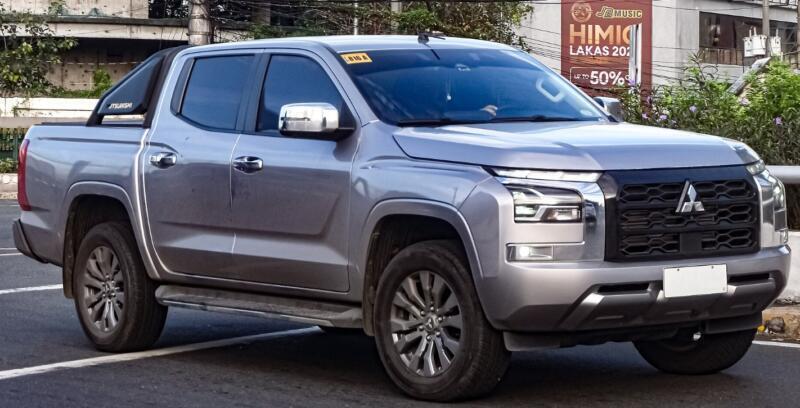
The dashboard of a Mitsubishi Triton can feel like a quiet co-driver. Most of the time, it stays in the background. Then, without warning, a symbol flashes, a buzzer sounds, or a message appears on the multi-information display.
What does it mean? Can we keep driving? Is the engine about to fail, or is the Triton simply reminding us to check something minor?
Understanding Mitsubishi Triton warning lights helps us separate routine alerts from genuine emergencies. Some symbols merely confirm that a system is operating. Others warn of low fluid levels, emission-system problems, overheating, brake faults, or reduced engine performance.
The exact appearance and meaning of each light can vary slightly between Triton generations, trim levels, engines, and markets. However, the basic warning categories remain broadly similar. In this guide, we will explore the most common dashboard lights, explain their likely causes, and show what action to take when they appear.
- Understanding Mitsubishi Triton Dashboard Light Colours
- Check Engine Light
- Engine Oil Pressure Warning Light
- Battery and Charging System Warning Light
- Coolant Temperature Warning Light
- Brake System Warning Light
- ABS Warning Light
- Active Stability and Traction Control Warning
- Diesel Particulate Filter Warning Light
- Water in Fuel Filter Warning
- Glow Plug Warning Light
- Four-Wheel Drive Warning Lights
- Automatic Transmission Warning Light
- Tyre Pressure Monitoring System Warning
- Airbag and Supplemental Restraint System Warning
- Power Steering Warning Light
- Fuel Filter, Low Fuel, and Fuel System Indicators
- Forward Collision Mitigation Warning
- Lane Departure Warning Light
- Hill Descent Control and Hill Start Assist Lights
- AdBlue or Diesel Exhaust Fluid Warning
- Key, Immobiliser, and Keyless Operation Warning Lights
- Master Warning Light
- Service Reminder and Spanner Symbol
- Why Several Warning Lights May Appear at Once
- What to Do When a Warning Light Appears
- When We Should Stop Driving Immediately
- Can Warning Lights Reset Themselves?
- How to Prevent Mitsubishi Triton Warning Lights
- Choosing the Right Diagnostic Approach
- Conclusion
- Frequently Asked Questions
- 1. Can I drive my Mitsubishi Triton with the check engine light on?
- 2. Why are several Mitsubishi Triton warning lights on at once?
- 3. What does a flashing 4WD light mean on a Mitsubishi Triton?
- 4. How do I clear a Mitsubishi Triton warning light?
- 5. Why does the DPF warning keep returning on my Triton?
Understanding Mitsubishi Triton Dashboard Light Colours
Before focusing on individual symbols, it helps to understand the dashboard’s colour language. The colour often tells us how urgently we need to react.
Red Warning Lights
Red usually indicates a serious fault, an immediate safety concern, or a condition that could damage the vehicle.
Examples include:
- Engine oil pressure warning
- Brake system warning
- High coolant temperature
- Charging system failure
- Seat belt warning
- Door or bonnet open warning
A red light does not always mean the engine will stop immediately, but we should never ignore it. When safe, pull over, switch off the engine, and investigate.
Amber or Yellow Warning Lights
Amber lights normally mean that the Triton has detected a fault requiring attention, but the vehicle may still be driveable.
Typical examples include:
- Check engine light
- ABS warning
- Traction control fault
- Diesel particulate filter warning
- Tyre pressure monitoring warning
- Forward collision mitigation warning
Think of an amber light as the vehicle tapping us on the shoulder. It may not be an emergency yet, but delaying repairs can turn a manageable issue into an expensive one.
Green, Blue, and White Indicator Lights
These colours usually show that a feature is active rather than reporting a fault.
They may indicate:
- Headlights or fog lights are on
- High beams are active
- Cruise control is engaged
- Four-wheel drive mode has been selected
- Hill descent control is operating
- An efficiency or driving-assistance function is active
These indicators generally require no repair unless they behave unexpectedly or refuse to switch off.
Check Engine Light
The check engine light is one of the most recognised—and most misunderstood—Mitsubishi Triton warning lights. It usually looks like the outline of an engine.
The engine control unit turns this light on when it records a fault affecting combustion, emissions, fuel delivery, air intake, exhaust treatment, or electronic engine management.
Common Causes of the Check Engine Light
Possible causes include:
- Faulty airflow or pressure sensor
- Exhaust gas recirculation system problem
- Dirty or blocked intake components
- Fuel pressure irregularity
- Turbocharger boost fault
- Diesel particulate filter restriction
- Injector malfunction
- Damaged wiring or electrical connectors
- Emissions sensor failure
- Loose fuel cap on applicable petrol models
The Triton may continue to drive normally even with the light illuminated. However, normal performance does not guarantee that the fault is harmless.
Solid Versus Flashing Check Engine Light
A solid check engine light usually indicates a stored fault that should be diagnosed soon.
A flashing light is more urgent. On petrol models, it may indicate severe misfiring capable of damaging the catalytic converter. On diesel models, flashing warning behaviour may accompany an engine-management or emissions problem requiring immediate inspection.
Reduce speed, avoid heavy acceleration, and arrange diagnostic testing as soon as possible.
What We Should Do
First, notice whether the Triton has lost power, started smoking, become difficult to start, or entered limp mode. Then check for obvious issues such as disconnected hoses or loose electrical plugs.
A diagnostic scanner can retrieve the stored trouble code. The code should guide the investigation, but it should not automatically be treated as proof that a named component has failed. A sensor code, for example, may be caused by wiring, air leaks, contamination, or another system influencing the sensor’s reading.
Engine Oil Pressure Warning Light
The oil pressure light usually resembles an old-fashioned oil can. If it stays on after the engine starts, we should treat it as an emergency.
Engine oil creates a protective film between fast-moving metal components. Without sufficient pressure, internal parts can wear or seize surprisingly quickly.
Possible Causes
The warning may be triggered by:
- Low engine oil level
- Incorrect oil viscosity
- Oil pump failure
- Blocked oil pickup
- Faulty oil pressure switch
- Internal engine wear
- Oil leakage
- Diluted or badly degraded oil
Immediate Action
Pull over somewhere safe and switch off the engine. Wait briefly, check the dipstick, and confirm whether the level is below the minimum mark.
If the oil level is low, add the correct oil cautiously. Do not overfill it. If the light remains on after the level has been corrected, stop the engine again and arrange recovery.
Driving with genuine low oil pressure is like running a marathon without blood circulation: damage can happen long before the finish line.
Battery and Charging System Warning Light
The red battery-shaped light does not simply mean that the battery is old. It usually means that the charging system is no longer supplying electricity correctly.
The engine may continue running using stored battery power, but once that power is exhausted, the Triton may stall.
Likely Causes
Common causes include:
- Alternator failure
- Loose or broken auxiliary belt
- Weak battery
- Corroded battery terminals
- Faulty voltage regulator
- Damaged charging cable
- Poor earth connection
What to Check
If the steering suddenly feels heavier, the temperature begins rising, or several warning lights appear together, a broken drive belt may be involved. On some engines, the same belt may operate more than one accessory.
Switch off non-essential electrical equipment, including heated screens, audio equipment, and additional lighting. Drive only as far as necessary to reach a safe location or workshop.
Coolant Temperature Warning Light
A red temperature symbol or high-temperature message indicates that the engine may be overheating.
Overheating can warp the cylinder head, damage the head gasket, weaken seals, and create a repair bill that lands like a hammer.
Common Reasons for Overheating
Possible causes include:
- Low coolant
- Coolant leak
- Faulty thermostat
- Blocked radiator
- Cooling fan failure
- Water pump problem
- Split hose
- Heavy towing under extreme conditions
- Incorrect coolant mixture
Safe Response to an Overheating Triton
Turn off the air conditioning and reduce engine load. Pull over safely as soon as possible.
Do not remove the radiator cap while the engine is hot. The cooling system may be pressurised, and escaping coolant can cause serious burns.
Allow the engine to cool before checking the expansion tank. If coolant is missing, inspect for visible leaks. Continuing to drive an overheating vehicle is rarely worth the risk.
Brake System Warning Light
The brake warning light may appear as an exclamation mark inside a circle, the word “BRAKE,” or a related red symbol.
It commonly illuminates when the parking brake is engaged. If it remains on after the parking brake has been released, further investigation is needed.
Potential Causes
The light may indicate:
- Parking brake not fully released
- Low brake fluid
- Brake fluid leak
- Worn brake pads on equipped models
- Hydraulic brake system fault
- Electronic brake force distribution problem
Low brake fluid can result from normal pad wear, but it may also indicate a leak. A soft pedal, longer stopping distance, or fluid beneath the vehicle makes the situation urgent.
Can We Keep Driving?
If the brake pedal feels unusual or braking performance has changed, do not continue driving. Arrange recovery.
If the pedal feels normal and the fluid level is correct, the light may result from a faulty switch or electrical issue. Even then, the system should be inspected promptly.
ABS Warning Light
The amber ABS light relates to the anti-lock braking system. ABS helps prevent wheel lock during hard braking, allowing us to maintain greater steering control.
When the ABS warning remains on, conventional braking may still work, but the anti-lock function may be disabled.
Common ABS Faults
Possible causes include:
- Dirty wheel-speed sensor
- Damaged sensor wiring
- Cracked reluctor ring
- Low battery voltage
- Blown fuse
- ABS control module fault
- Incorrect wheel or tyre setup
Mud, water, corrosion, and off-road use can affect sensors or wiring near the wheels. This makes inspection particularly important on Tritons regularly used on farms, construction sites, trails, or river crossings.
ABS and Brake Lights Together
If the ABS light and red brake warning appear together, the fault may affect electronic brake force distribution or another important part of the braking system.
Drive with extreme caution—or stop driving altogether—until the problem has been assessed.
Active Stability and Traction Control Warning
The stability or traction control symbol usually shows a vehicle with wavy skid lines.
When it flashes briefly during acceleration, cornering, or slippery driving, the system is actively reducing wheelspin or correcting instability. That is normal.
When the light stays on, the system may be switched off or unavailable because of a fault.
Reasons the Light May Stay On
Possible reasons include:
- Traction control manually disabled
- Wheel-speed sensor problem
- Steering-angle sensor fault
- ABS system malfunction
- Brake switch fault
- Low battery voltage
- Different tyre sizes
- Calibration issue
Because stability control often shares sensors with the ABS, one damaged sensor can illuminate several warning lights at once.
Diesel Particulate Filter Warning Light
Diesel Triton models may use a diesel particulate filter, commonly known as a DPF. Its job is to trap soot before it leaves the exhaust.
The filter periodically burns accumulated soot through regeneration. When driving conditions do not allow regeneration to complete, the DPF warning may appear.
Why the DPF Becomes Restricted
Frequent causes include:
- Repeated short journeys
- Low-speed urban driving
- Extended idling
- Interrupted regeneration cycles
- Faulty exhaust temperature sensor
- EGR system problems
- Injector faults
- Incorrect engine oil
- Excessive soot production
Responding to the DPF Warning
In some cases, a sustained drive at a suitable speed and engine temperature may allow automatic regeneration. Follow the instructions in the owner’s manual for the specific Triton model.
Avoid attempting a regeneration drive if:
- The oil level is excessively high
- The engine is overheating
- The check engine light is flashing
- The vehicle has entered severe limp mode
- Unusual mechanical noises are present
- A red warning light is illuminated
If the DPF warning flashes, remains on, or appears with an engine warning, professional diagnosis may be necessary. A workshop may perform a forced regeneration, test pressure readings, or remove the filter for specialised cleaning.
Why Replacing the DPF Too Soon Can Be a Mistake
A restricted DPF is sometimes the consequence rather than the original cause. Replacing or cleaning the filter without correcting faulty injectors, sensors, turbo operation, or EGR flow may allow the blockage to return.
We should diagnose the whole system, not simply silence the most visible symptom.
Water in Fuel Filter Warning
Some diesel Tritons have a warning indicating water accumulation in the fuel filter.
Diesel fuel systems operate at extremely high pressure and depend on clean, properly filtered fuel. Water can cause corrosion, poor running, injector damage, and difficult starting.
Recommended Action
Drain the water separator or have the fuel filter serviced according to the correct procedure. If the warning returns quickly, the fuel may be contaminated or the sensor may be faulty.
Do not repeatedly ignore this light. Modern diesel injection components are precise, powerful, and often expensive.
Glow Plug Warning Light
The glow plug light normally appears briefly before starting a cold diesel engine. It may resemble a small coil or spiral.
Wait for the light to go out before starting when conditions require preheating.
When the Glow Plug Light Indicates a Problem
A flashing or persistent glow plug light may indicate:
- Failed glow plug
- Glow plug relay fault
- Wiring issue
- Engine-management problem
- Sensor malfunction
- Fuel or emissions-system fault
On some vehicles, the glow plug symbol may act as a broader diesel engine warning rather than identifying the glow plugs alone. Diagnostic scanning is the safest way to avoid guesswork.
Four-Wheel Drive Warning Lights
The Mitsubishi Triton is well known for its four-wheel drive capability. Depending on the variant, the dashboard may display indicators for 2H, 4H, 4HLc, 4LLc, differential lock, or related drive modes.
A correctly operating indicator confirms the selected mode. A flashing indicator may mean the system is still shifting or has not completed engagement.
Why a 4WD Indicator May Keep Flashing
Possible causes include:
- Driveline tension
- Unequal tyre pressures
- Different tyre sizes or wear levels
- Transfer-case position sensor fault
- Vacuum actuator problem
- Front axle engagement issue
- Damaged wiring
- Mechanical transfer-case fault
Driving straight for a short distance and gently changing speed may help the system complete engagement or disengagement. On a suitable loose surface, reversing briefly may also relieve driveline tension.
Never force low-range selection while moving faster than the recommended speed. Always follow the correct sequence for the specific transmission and four-wheel drive system.
Centre Differential Lock or Rear Differential Lock Light
A differential lock light may flash while engagement is taking place. Once locked, steering behaviour and tyre scrub may change.
This content may interest you! Ford Ranger Dashboard Symbols and Meanings: Complete Warning Light Guide
Differential locks should normally be used only on loose or slippery terrain where wheel slip can relieve drivetrain stress. Using them on dry, high-grip roads can create transmission wind-up and damage.
Automatic Transmission Warning Light
An automatic transmission warning may appear as a gear symbol, temperature symbol, or message on the display.
The Triton may also shift harshly, hold a particular gear, or enter a protective mode.
Possible Transmission Warning Causes
These include:
- Overheated transmission fluid
- Low fluid level
- Internal slipping
- Faulty speed sensor
- Solenoid problem
- Valve body fault
- Wiring issue
- Transmission control module error
- Excessive towing load
What to Do When the Transmission Overheats
Reduce speed and stop somewhere safe. Select Park and allow the engine to idle if the owner’s manual recommends doing so, as fluid circulation may help cooling. In other situations, shutting down may be appropriate.
Do not repeatedly tow or climb steep hills while the warning remains active. Heat is one of an automatic transmission’s greatest enemies.
Tyre Pressure Monitoring System Warning
The tyre pressure warning generally resembles a tyre cross-section with an exclamation mark.
It illuminates when one or more monitored tyres are below the expected pressure. It may also flash before staying on when the monitoring system itself has a fault.
Common Causes
The warning can result from:
- Naturally low tyre pressure
- Temperature drop
- Slow puncture
- Damaged valve stem
- Faulty pressure sensor
- Sensor battery failure
- Tyre rotation or replacement
- Incorrectly programmed sensor
Check all tyres when cold and inflate them to the recommended pressure shown on the vehicle placard. Do not rely solely on the number printed on the tyre sidewall, which usually represents a maximum specification rather than the vehicle’s normal operating pressure.
Remember to inspect the spare tyre where applicable, especially if the vehicle monitors it.
Airbag and Supplemental Restraint System Warning
The airbag warning usually shows a seated person with a circle in front.
It should illuminate briefly during startup and then switch off. If it stays on, the supplemental restraint system may have recorded a fault.
Likely Causes
Possible causes include:
- Loose connector beneath a seat
- Seat occupancy sensor problem
- Seat belt pretensioner fault
- Damaged clock spring
- Low battery voltage
- Airbag module fault
- Previous collision damage
The vehicle may still drive normally, but one or more airbags or pretensioners may not operate correctly during a crash.
Avoid testing airbag wiring with ordinary electrical equipment. These systems contain pyrotechnic components and should be handled by trained technicians.
Power Steering Warning Light
Depending on the Triton generation, a steering-wheel symbol may indicate a power steering fault.
If assistance is reduced, the steering may become noticeably heavier, particularly at low speeds.
Potential Causes
Possible issues include:
- Low hydraulic fluid on hydraulic systems
- Power steering fluid leak
- Failing pump
- Broken drive belt
- Electronic steering sensor fault
- Low system voltage
- Steering control module problem
If the steering suddenly becomes heavy, slow down smoothly and avoid sharp manoeuvres. The vehicle may still steer mechanically, but greater effort will be required.
Fuel Filter, Low Fuel, and Fuel System Indicators
The low-fuel light is usually straightforward, but running a diesel Triton extremely low on fuel can create additional problems.
Air may enter the fuel system, potentially making the engine difficult to restart. Sediment or water near the bottom of the tank may also be drawn toward the filter.
Refuel promptly rather than treating the warning as a challenge to see how far the vehicle can travel.
A separate fuel filter warning may indicate restriction, water contamination, or required maintenance.
Forward Collision Mitigation Warning
Newer Mitsubishi Triton models may feature forward collision mitigation or related driver-assistance technology.
A warning can appear when the system detects a collision risk, becomes temporarily unavailable, or records a fault.
Common reasons include:
- Dirty windscreen
- Mud, snow, or insects covering a sensor
- Heavy rain or fog
- Strong sunlight
- Camera obstruction
- Radar misalignment
- Low battery voltage
- Sensor or control module fault
Clean the sensor and camera areas carefully. Do not attach stickers, accessories, or dark tint over the camera’s field of view.
Driver-assistance systems support us, but they do not replace attention. We remain responsible for braking, steering, and observing the road.
Lane Departure Warning Light
The lane departure system may show lane markings, a vehicle between lines, or a related dashboard message.
The system can warn when the Triton drifts across a detected lane marking without signalling.
Temporary unavailability may result from:
- Faded road markings
- Poor weather
- Dirty camera area
- Roadworks
- Sharp bends
- Direct sunlight
- Camera calibration issues
A persistent fault after cleaning the windscreen may require diagnostic testing or camera calibration.
Hill Descent Control and Hill Start Assist Lights
Hill descent control helps maintain a controlled low speed on steep descents. Its light generally confirms activation.
A flashing or fault light may indicate that operating conditions have not been met or that the system is unavailable.
Hill start assist briefly holds brake pressure when moving away on an incline. A fault may be linked to the ABS, stability control, brake switch, or wheel-speed sensors.
Because these systems share information, one sensor fault can create a small constellation of dashboard warnings.
AdBlue or Diesel Exhaust Fluid Warning
Some newer diesel models in certain markets may use selective catalytic reduction and diesel exhaust fluid, commonly called AdBlue.
Warnings may indicate:
- Low fluid level
- Incorrect fluid
- Frozen or contaminated fluid
- Pump fault
- Heater problem
- NOx sensor fault
- Emissions-system malfunction
Do not add water, fuel additives, or ordinary liquids to the AdBlue tank. Use only the specified diesel exhaust fluid.
Ignoring countdown warnings may eventually prevent the engine from restarting after it has been switched off, depending on the system design and local emissions requirements.
Key, Immobiliser, and Keyless Operation Warning Lights
A key-shaped light may relate to the immobiliser, keyless entry, or push-button starting system.
Common Reasons for a Key Warning
These include:
- Weak key-fob battery
- Key not detected
- Interference from electronic devices
- Damaged key
- Immobiliser communication fault
- Weak vehicle battery
- Faulty start button or receiver
Try moving the key away from mobile phones, metal objects, chargers, or other electronic keys. Use the backup starting procedure described in the owner’s manual.
If both available keys fail, the fault may be in the vehicle rather than in the key itself.
Master Warning Light
The master warning light is often a triangle containing an exclamation mark. It usually appears alongside a text message explaining the condition.
It may accompany:
- Low fluid level
- Open door
- Driver-assistance fault
- Key detection problem
- Maintenance reminder
- Tyre pressure warning
- Engine-management message
Read the display carefully rather than relying on the triangle alone. The master light is like an envelope; the message on the screen tells us what is inside.
Service Reminder and Spanner Symbol
A spanner or maintenance message usually indicates that scheduled servicing is due.
It does not automatically mean that a mechanical failure has occurred. However, delaying maintenance can lead to oil degradation, filter restriction, premature wear, and reduced reliability.
After servicing, the reminder must be reset correctly. Resetting it without carrying out the required maintenance merely hides the notification—it does not protect the engine.
Why Several Warning Lights May Appear at Once
Multiple dashboard lights can look alarming, but they do not always mean several separate systems have failed.
One underlying issue can trigger many warnings.
Examples include:
- Weak battery
- Failing alternator
- Poor earth connection
- Wheel-speed sensor failure
- Blown fuse
- Damaged wiring harness
- Water entering a connector
- Communication fault between control modules
A weak battery can make the dashboard resemble a Christmas tree because modern control modules require stable voltage. Similarly, a single wheel-speed sensor may disable ABS, traction control, stability control, hill assist, and cruise control.
This is why systematic diagnosis matters more than replacing parts based on the number of illuminated symbols.
What to Do When a Warning Light Appears
When a warning light comes on, use a calm, repeatable process.
- Check the colour. Red requires more urgent action than amber.
- Read the display message. It may provide specific instructions.
- Notice how the Triton behaves. Look for power loss, smoke, noise, vibration, overheating, or braking changes.
- Reduce engine load. Avoid hard acceleration and heavy towing.
- Stop safely when necessary. Never inspect the vehicle in a dangerous location.
- Check basic fluid levels. Inspect oil, coolant, brake fluid, and washer fluid only when safe.
- Restart only when appropriate. A restart may clear a temporary alert, but it does not repair a stored fault.
- Scan for diagnostic codes. Use a suitable scanner or visit a competent workshop.
- Record the conditions. Note speed, temperature, weather, load, and recent repairs.
- Avoid clearing codes too early. Stored data can help identify the cause.
When We Should Stop Driving Immediately
Stop and arrange assistance when:
- The oil pressure light stays on
- The engine is overheating
- Braking performance has changed
- The red brake warning remains illuminated
- The steering becomes dangerously heavy
- The vehicle produces heavy smoke
- Loud knocking or grinding noises develop
- The engine warning flashes
- The transmission slips severely
- A burning smell or visible leak appears
- The Triton enters an extreme loss-of-power mode in unsafe traffic
Saving a few minutes is not worth turning a warning into an engine, transmission, or safety-system failure.
Can Warning Lights Reset Themselves?
Some warnings disappear when the triggering condition ends. For example, a traction control light stops flashing when wheel grip returns.
Other lights may switch off after several fault-free driving cycles. However, the diagnostic code can remain stored.
Disconnecting the battery may clear certain temporary information, but it can also erase useful diagnostic data, reset learned settings, or create new calibration requirements. It is not a universal repair method.
A light that disappears has not necessarily been fixed. Intermittent faults often return when heat, vibration, moisture, or load recreates the original condition.
How to Prevent Mitsubishi Triton Warning Lights
We cannot prevent every sensor or component from failing, but sensible maintenance reduces many dashboard alerts.
Useful Preventive Habits
- Service the engine at the recommended intervals
- Use the specified engine oil
- Replace fuel and air filters on schedule
- Maintain correct tyre pressures
- Keep all four tyres closely matched
- Avoid repeatedly interrupting DPF regeneration
- Inspect battery terminals for corrosion
- Test an ageing battery before remote travel
- Check coolant and oil regularly
- Repair fluid leaks promptly
- Clean cameras and radar areas
- Inspect underbody wiring after off-road driving
- Use clean fuel from reputable suppliers
- Avoid exceeding towing and payload limits
Pay Attention After Repairs
Warning lights that appear immediately after tyre, brake, suspension, battery, windscreen, or engine work may be connected to the recent repair.
A wheel-speed sensor wire may have been disturbed. A camera may need calibration after windscreen replacement. The battery may not have been fully charged. A hose or connector may have been left loose.
The timing of the warning is often a valuable clue.
Choosing the Right Diagnostic Approach
A code reader is useful, but diagnosis requires more than reading a code and ordering a part.
A proper inspection may include:
- Visual checks
- Battery and charging tests
- Fluid-level checks
- Live sensor data
- Wiring continuity tests
- Smoke testing for air leaks
- Fuel pressure analysis
- DPF pressure measurements
- Road testing
- Manufacturer-specific diagnostic procedures
Generic scanners may not access every Triton control module. Advanced faults involving four-wheel drive, airbags, transmission control, or driver-assistance systems may require Mitsubishi-compatible diagnostic equipment.
Conclusion
Mitsubishi Triton warning lights are not there to ruin our day. They are the vehicle’s way of telling us that a system is active, unavailable, overdue for maintenance, or beginning to fail.
The most important lesson is to respond according to urgency. Green and blue lights usually confirm normal operation. Amber lights call for investigation. Red lights demand immediate attention.
We should never guess based only on the symbol. Read the accompanying message, observe how the vehicle behaves, check the basics, and use diagnostic testing to identify the true cause.
A warning light is often the first whisper of a problem. Listen early, and we may avoid hearing the expensive roar that comes later.
Frequently Asked Questions
1. Can I drive my Mitsubishi Triton with the check engine light on?
You may be able to drive a short distance if the light is solid and the Triton operates normally. Avoid heavy acceleration and towing. If the light flashes, the engine loses power, or smoke appears, stop driving and arrange professional assistance.
2. Why are several Mitsubishi Triton warning lights on at once?
Several lights can be triggered by one shared fault, such as a weak battery, alternator problem, wheel-speed sensor failure, poor earth connection, or communication error between control modules. A diagnostic scan can help identify the original fault.
3. What does a flashing 4WD light mean on a Mitsubishi Triton?
A flashing 4WD indicator often means the system is still engaging or disengaging. It may also point to driveline tension, mismatched tyre pressures, a faulty position sensor, an actuator problem, or a transfer-case fault.
4. How do I clear a Mitsubishi Triton warning light?
The correct method is to repair the cause and then clear the stored fault with suitable diagnostic equipment when necessary. Disconnecting the battery may not solve the issue and can erase useful information or reset vehicle settings.
5. Why does the DPF warning keep returning on my Triton?
The warning may return because regeneration is not completing or because another fault is producing excessive soot. Possible causes include short journeys, faulty sensors, injector problems, EGR faults, incorrect oil, or a heavily restricted filter.
This content may interest you! Nissan Murano Dash Lights: Meanings, Warnings, and What to Do
Leave a Reply