
Tesla Model Y Battery Capacity: What We Really Need to Know
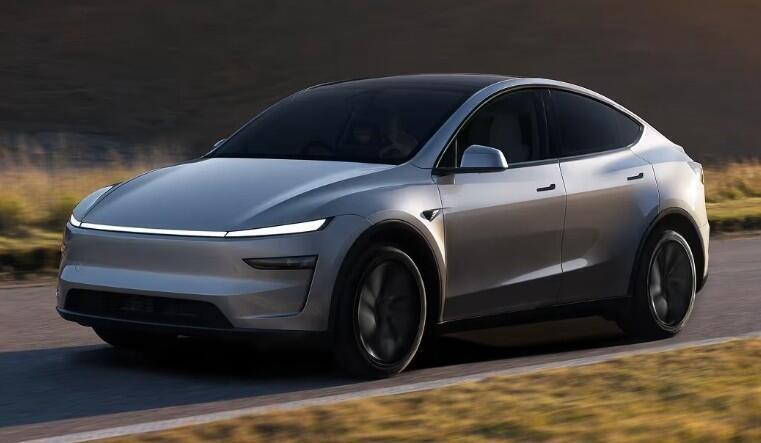
The Tesla Model Y battery capacity is one of those topics that sounds simple at first. We ask, “How big is the battery?” and we expect a neat number, like checking the size of a fuel tank. But with the Model Y, the answer is a little more layered. Tesla does not always shout the exact kilowatt-hour figure from the rooftops, and the number can change depending on the trim, model year, market, battery chemistry, wheels, software, and how the car manages usable energy.
So, let’s keep it practical. In everyday terms, the Tesla Model Y battery capacity usually sits in the broad neighborhood of around 60 kWh for standard-range versions and around 75 kWh for long-range versions, depending on configuration. But that is only the beginning. What truly matters is how that battery translates into range, charging speed, performance, longevity, and real-life ownership.
Think of the battery as the heart of the Model Y. It pumps energy into the motors, keeps the cabin comfortable, powers the screen, supports software features, and decides how far we can go before plugging in. A bigger battery may sound better, but efficiency is the secret sauce. A large battery in an inefficient EV is like a big backpack full of snacks on a long hike: useful, yes, but heavy. The Model Y works because Tesla blends capacity, software, aerodynamics, thermal control, and charging infrastructure into one smooth package.
- Understanding Tesla Model Y Battery Capacity
- Estimated Tesla Model Y Battery Capacity by Trim
- Why Tesla Does Not Always Publish Exact Battery Capacity
- Tesla Model Y Battery Chemistry
- How Battery Capacity Affects Range
- Tesla Model Y Charging Capacity
- Tesla Model Y Battery Capacity and Real-World Driving
- Battery Degradation in the Tesla Model Y
- How to Protect Tesla Model Y Battery Capacity
- Tesla Model Y Battery Warranty
- Tesla Model Y Battery Capacity Compared with Rivals
- Does Wheel Size Affect Battery Range?
- Does Software Affect Battery Capacity?
- Tesla Model Y Battery Replacement Cost
- Tesla Model Y Battery Capacity for Road Trips
- Is a Bigger Tesla Model Y Battery Always Better?
- Common Myths About Tesla Model Y Battery Capacity
- Tesla Model Y Battery Capacity: Buyer Advice
- Final Thoughts on Tesla Model Y Battery Capacity
- FAQs About Tesla Model Y Battery Capacity
Understanding Tesla Model Y Battery Capacity
Battery capacity in an electric vehicle is measured in kilowatt-hours, usually shortened to kWh. A kilowatt-hour tells us how much energy the battery can store. If a car has a 75 kWh battery, that means it can theoretically deliver 75 kilowatts for one hour, or a smaller amount of power over a longer period.
But here is the twist: the full battery capacity and the usable battery capacity are not always the same thing. Tesla, like other EV makers, may reserve a small portion of the battery at the top or bottom to protect battery health. That hidden buffer helps reduce stress, prevent deep discharge, and keep performance more consistent over time.
What Does kWh Mean in Simple Words?
If petrol cars use litres or gallons, electric cars use kWh. We can think of kWh as the size of the energy tank. More kWh generally means more stored energy, but range still depends on how efficiently the car uses that energy.
For example, two EVs could both have a 75 kWh battery, yet one might travel farther because it is lighter, more aerodynamic, or better at managing energy. That is why the Tesla Model Y battery capacity is only one part of the story.
Battery Capacity vs Range
Battery capacity tells us how much energy is stored. Range tells us how far that stored energy can take us. They are related, but they are not twins. They are more like cousins.
Range depends on:
- Driving speed
- Weather and temperature
- Wheel size
- Tyre pressure
- Cabin heating or air conditioning
- Elevation changes
- Payload and passengers
- Driving style
- Battery temperature
- Software efficiency
A Model Y with a slightly smaller battery but better efficiency can feel more useful than a rival EV with a larger pack but higher energy consumption.
Estimated Tesla Model Y Battery Capacity by Trim
Tesla has sold the Model Y in different versions over the years, including Standard Range, Rear-Wheel Drive, Long Range Rear-Wheel Drive, Long Range All-Wheel Drive, and Performance variants. The exact battery pack can vary by region and production period, but we can use practical estimates.
Tesla Model Y Rear-Wheel Drive Battery Capacity
The Tesla Model Y Rear-Wheel Drive version is generally the more efficiency-focused option. Depending on the market and model year, its battery capacity is often estimated around 60 kWh. This version is usually designed for buyers who want a lower entry price, strong daily usability, and enough range for commuting, errands, road trips, and family life.
The RWD Model Y is like the sensible pair of trainers we wear every day. It may not be the flashiest version, but it gets the job done with comfort and confidence.
Tesla Model Y Long Range Battery Capacity
The Long Range Model Y is where many shoppers naturally look. Its battery capacity is commonly estimated around 75 kWh, depending on version and region. This bigger battery helps deliver longer driving range and stronger flexibility for road trips.
For many of us, the Long Range trim feels like the sweet spot. We get enough battery to reduce charging anxiety without jumping all the way into the Performance model.
Tesla Model Y Performance Battery Capacity
The Model Y Performance often uses a battery capacity similar to the Long Range version, commonly estimated around the mid-70 kWh range. The difference is how the car uses that energy. The Performance trim is tuned for quicker acceleration, stronger output, sportier driving, and a more aggressive personality.
In other words, it may not always carry a dramatically larger battery, but it drinks from the energy cup faster when we push the accelerator. That is the trade-off. More thrill, slightly less calm efficiency.
Why Tesla Does Not Always Publish Exact Battery Capacity
This can be frustrating. We want one clear number. Tesla often focuses more on range, charging speed, acceleration, and efficiency than on public battery kWh figures. Why? Because customers usually care more about how far the car goes and how quickly it charges than the exact size of the battery pack.
Tesla Sells the Experience, Not Just the Spec Sheet
Traditional car shopping trained us to compare engine size, horsepower, fuel tank size, and MPG. EVs changed the game. A battery number alone can be misleading because software, thermal management, and drivetrain efficiency matter so much.
Tesla would rather say, “Here is how far it goes,” instead of, “Here is the raw battery capacity.” From a marketing perspective, that makes sense. From an SEO and buyer-research perspective, it creates endless curiosity.
Usable Capacity Can Differ from Gross Capacity
A battery pack may have a gross capacity and a usable capacity. Gross capacity is the full theoretical energy stored. Usable capacity is what the car allows us to access. Tesla may keep some energy hidden as a safety and longevity buffer.
That buffer is like leaving a little water in a bottle instead of squeezing every last drop. It helps protect the system from unnecessary stress.
Tesla Model Y Battery Chemistry
Battery capacity is not just about size. Chemistry matters too. Tesla has used different battery chemistries across its lineup and markets, including lithium iron phosphate batteries in some standard-range vehicles and nickel-based chemistries in many long-range and performance versions.
LFP Batteries in Some Model Y Versions
Some Rear-Wheel Drive Model Y versions use LFP battery chemistry, depending on where the car is built and sold. LFP batteries are known for durability, cost efficiency, and tolerance for regular charging to 100%. They may have lower energy density than some nickel-based packs, but they can be excellent for daily driving.
For regular commuting, school runs, shopping, and city driving, an LFP-equipped Model Y can feel wonderfully simple. Plug it in, charge it often, and move on with life.
Nickel-Based Batteries in Long Range and Performance Versions
Long Range and Performance versions often use nickel-based battery packs because they can provide higher energy density. That means more energy can fit into a similar physical space, which helps with longer range and stronger performance.
The trade-off? Owners are usually encouraged to avoid charging to 100% every day unless they need it for a trip. For daily driving, charging to a lower limit is often better for long-term battery health.
How Battery Capacity Affects Range
The bigger the battery, the more potential range we have. But the Model Y also proves that efficiency can stretch every kWh like a good budget stretches a paycheck.
City Driving
In city driving, the Model Y benefits from regenerative braking. Every time we slow down, the car can recover some energy and send it back into the battery. That is something petrol cars simply cannot do in the same way.
This makes urban driving surprisingly efficient. Stop-and-go traffic, which burns fuel in a gas car, can actually suit an EV better than high-speed motorway cruising.
Highway Driving
At highway speeds, aerodynamic drag becomes the main enemy. The faster we go, the harder the car has to work to push through the air. That is why real-world highway range is often lower than official estimates.
A Model Y Long Range may have more battery capacity, but driving at 75 or 80 mph in cold weather with big wheels will still reduce range. Physics does not care how nice the touchscreen is.
Cold Weather Driving
Cold weather can reduce available range because the battery and cabin need heat. Tesla uses thermal management systems to help, but winter still takes its bite. Preconditioning the battery before charging or leaving while plugged in can help preserve range.
This content may interest you! How to Maintain Your Tesla Model Y Battery
In simple terms, cold weather makes the battery work while wearing a heavy coat.
Tesla Model Y Charging Capacity
Battery capacity tells us how much energy the car can store. Charging capacity tells us how quickly we can fill it back up.
Home Charging
For most owners, home charging is the real luxury. We plug in overnight, wake up with enough range, and skip the petrol station lifestyle entirely. A Level 2 home charger can refill a Model Y comfortably for daily use.
We do not always need to charge from 0% to 100%. In fact, most EV ownership is about small top-ups. Think of it like charging a phone, not filling a fuel tank.
Supercharging
Tesla’s Supercharger network is one of the Model Y’s strongest advantages. Depending on the version and conditions, the Model Y can use high-speed DC charging, with Tesla listing Supercharging capability up to 250 kW in many markets.
Charging speed is fastest when the battery is warm and at a lower state of charge. As the battery fills, charging slows down to protect the pack. That is why charging from 10% to 60% can feel quick, while charging from 80% to 100% takes much longer.
Why Charging Slows Near 100%
The last part of charging is slower because the battery management system becomes more careful. Imagine filling a glass of water. At first, we pour quickly. Near the top, we slow down to avoid spilling. Batteries work in a similar way.
This is why road-trippers often charge to 70% or 80%, drive to the next charger, and repeat. It is usually faster than waiting for a full 100%.
Tesla Model Y Battery Capacity and Real-World Driving
Official numbers are useful, but real-world driving is where the truth comes out. The Tesla Model Y battery capacity can feel generous or limited depending on how we drive.
Daily Commuting
For daily commuting, even the smaller-battery Model Y versions usually offer more than enough range. Most people do not drive hundreds of miles per day. A short overnight charge can cover work, school, groceries, gym trips, and weekend errands.
This is where EVs shine. We start each day with usable range without making a special stop.
Family Road Trips
For road trips, the Long Range Model Y feels more relaxed. More capacity means fewer stops, better flexibility, and less mental math. Still, charging stops are part of the EV rhythm. We grab coffee, stretch our legs, check messages, and the car gets ready for the next leg.
It is not exactly the same as petrol travel. It is more planned, but often less stressful once we understand the pattern.
Towing and Heavy Loads
Towing, roof boxes, bikes, extra passengers, and luggage can reduce range. The battery capacity does not change, but energy consumption rises. That means a Model Y towing a trailer will use more kWh per mile than one cruising lightly on the highway.
For towing, planning chargers becomes more important. We need to think like pilots, not gamblers.
Battery Degradation in the Tesla Model Y
Battery degradation means the battery slowly loses capacity over time. All lithium-ion batteries degrade, including phones, laptops, and EVs. The good news is that modern EV batteries are built for long lives.
What Causes Battery Degradation?
Battery degradation can be influenced by:
- High heat
- Frequent fast charging
- Repeated charging to 100%
- Deep discharging to very low levels
- Age
- High mileage
- Long periods sitting at extreme charge levels
The battery does not usually fall off a cliff. It fades gradually, like a pair of jeans losing color after many washes.
How Much Capacity Loss Is Normal?
Many EV owners see some early capacity loss, then slower degradation over time. That is normal. The first small drop can feel scary, but it does not mean the battery is failing.
The more useful question is not “Will the battery degrade?” It will. The better question is, “Will it still serve our driving needs after years of ownership?” For most Model Y owners, the answer is yes.
How to Protect Tesla Model Y Battery Capacity
The easiest way to protect battery health is to build simple habits. We do not need to baby the car every second, but we should treat the battery with basic respect.
Best Charging Habits
For daily driving, many owners set a regular charge limit below 100%, especially on nickel-based battery versions. Charging to 100% is best saved for longer trips when we plan to leave soon after charging.
Good habits include:
- Avoid letting the battery sit at 0%
- Avoid leaving the car at 100% for long periods
- Use home charging when possible
- Supercharge when needed, not as a nervous habit
- Precondition before fast charging
- Keep software updated
- Park in shade during extreme heat when possible
Should We Charge to 100%?
It depends on battery chemistry. Some LFP versions are more comfortable with regular 100% charging, while nickel-based versions are usually better with lower daily charge limits. The car’s screen and owner guidance can help determine what Tesla recommends for that specific vehicle.
This is important because not every Model Y is exactly the same. The best advice is the advice that matches the exact battery in the car.
Tesla Model Y Battery Warranty
Tesla typically backs the Model Y battery and drive unit with an 8-year warranty, though mileage coverage varies by trim and market. This matters because the battery is the most expensive component in the car.
Why the Warranty Matters
A strong battery warranty gives buyers confidence. It tells us the manufacturer expects the battery pack to last. Used buyers should pay close attention to warranty status, mileage, and battery health because those details can affect long-term value.
Used Tesla Model Y Battery Checks
When buying used, we should check:
- Model year
- Trim
- Mileage
- Remaining battery warranty
- Charging history if available
- Range estimate at full charge
- Service records
- Accident history
- Software status
- Tyre and wheel setup
A used Model Y with a healthy battery can be a smart buy. But skipping the checks is like buying a house without looking at the roof.
Tesla Model Y Battery Capacity Compared with Rivals
The Model Y does not always win by having the largest battery. It wins because its battery works well with the rest of the car. Tesla’s efficiency, Supercharger access, route planning, and software integration make the battery feel more useful than the number suggests.
Why Efficiency Beats Raw Size
A rival EV may advertise a larger battery, but if it consumes more energy per mile, the advantage shrinks. Battery capacity is like the size of a lunchbox. Efficiency is how wisely we eat what is inside.
A highly efficient EV can travel farther with less energy, charge faster in real-world stops, and cost less to run.
The Tesla Advantage
The Tesla Model Y benefits from:
This content may interest you! Tesla Model Y Battery Degradation Explained
- Strong energy efficiency
- Integrated navigation with charging stops
- Battery preconditioning
- High-speed Supercharger access
- Over-the-air software updates
- Strong resale awareness
- Practical SUV packaging
That combination makes the Model Y battery feel smarter, not just bigger.
Does Wheel Size Affect Battery Range?
Yes, wheel size can affect range. Larger wheels often look better, but they can reduce efficiency due to weight, rolling resistance, and aerodynamics. Smaller wheels usually help the Model Y travel farther on the same battery capacity.
19-Inch vs 20-Inch Wheels
A Model Y on smaller wheels will generally be more range-friendly. Larger wheels may sharpen the look and feel, but we pay for that style with a little energy. It is like wearing heavy boots instead of running shoes.
If maximum range matters, smaller wheels are usually the sensible pick.
Does Software Affect Battery Capacity?
Software does not magically increase the physical size of the battery, but it can improve how the car uses energy. Tesla can adjust charging behavior, thermal control, range estimates, and efficiency through software updates.
Over-the-Air Updates
Tesla’s over-the-air updates are one reason the Model Y feels modern years after purchase. Updates may refine energy management, route planning, climate behavior, or charging performance.
This does not mean every update adds range. But software is a major part of how Tesla protects and manages battery capacity.
Tesla Model Y Battery Replacement Cost
Battery replacement is not something most owners face early, but it is a common search because the battery is expensive. Replacement cost can vary widely depending on region, warranty status, pack type, labor, and whether a full pack or module-related repair is needed.
Should Owners Worry?
For most buyers, battery replacement should not be the first fear. It is more useful to focus on warranty, charging habits, and real-world battery health. Modern EV packs are designed for long service lives.
Still, anyone buying an older or high-mileage Model Y should inspect battery health carefully. A cheap used Tesla is only cheap if the battery is healthy.
Tesla Model Y Battery Capacity for Road Trips
For road trips, battery capacity becomes more visible. The Long Range version gives us more breathing room, especially in winter or on faster highways.
Planning Charging Stops
Tesla’s navigation can plan charging stops automatically. That helps remove guesswork. The car estimates arrival charge, suggests Superchargers, and preconditions the battery before arrival when needed.
We should still be practical. Add a buffer. Weather changes. Chargers can be busy. Detours happen. A little planning keeps the trip smooth.
Best Road Trip Strategy
A smart EV road trip often looks like this:
- Start with a high charge at home
- Drive to a low but comfortable battery level
- Supercharge during the fastest charging window
- Leave before charging slows too much
- Repeat as needed
This rhythm can save time compared with waiting for 100% at every stop.
Is a Bigger Tesla Model Y Battery Always Better?
Not always. A bigger battery usually means more range, but it can also mean more weight, higher cost, and more energy required to manufacture. For many owners, the best battery is not the biggest one. It is the one that matches their life.
Choose Based on Driving Needs
If we mostly drive locally, a standard-range Model Y may be enough. If we travel often, live in a cold climate, or dislike frequent charging, the Long Range version makes more sense. If we want speed and excitement, Performance adds the grin factor.
The right choice depends on daily distance, home charging access, budget, climate, and road-trip habits.
Common Myths About Tesla Model Y Battery Capacity
There are plenty of myths floating around, so let’s clear a few.
Myth 1: Bigger Battery Always Means Better Car
A bigger battery can help range, but efficiency, charging speed, and software matter just as much.
Myth 2: Supercharging Always Damages the Battery
Frequent DC fast charging can add stress, but using Superchargers when needed is normal. Tesla designs the car for it.
Myth 3: EV Batteries Die Suddenly
Most EV batteries degrade gradually. Sudden failure is possible, but it is not the normal pattern.
Myth 4: You Must Always Charge to 100%
Not always. Charging habits depend on battery chemistry and driving needs.
Tesla Model Y Battery Capacity: Buyer Advice
If we are shopping for a Tesla Model Y, we should not obsess over kWh alone. Instead, we should ask better questions.
Questions to Ask Before Buying
- How much range do we need weekly?
- Can we charge at home?
- Do we take frequent road trips?
- Do we live in a cold climate?
- Is performance important?
- Are we buying new or used?
- What battery chemistry does this version use?
- What warranty remains?
These questions tell us more than a single battery capacity number ever could.
Final Thoughts on Tesla Model Y Battery Capacity
The Tesla Model Y battery capacity is important, but it is not the whole story. Depending on the version, we are generally looking at battery packs around the 60 kWh to 75 kWh range, with real-world usefulness shaped by efficiency, software, charging speed, climate, wheels, and driving style.
The Model Y works because it does not rely on one big trick. It is not just a battery on wheels. It is a complete energy system: battery, motors, software, charging network, route planning, and thermal control all working together like a well-rehearsed band.
For most buyers, the best Model Y is the one that matches daily life. The Rear-Wheel Drive version can be efficient and practical. The Long Range version gives us more freedom. The Performance version adds excitement. The battery capacity matters, yes, but how the car uses that capacity matters even more.
So, when we ask, “What is the Tesla Model Y battery capacity?” the smarter answer is: enough to make it one of the most practical electric SUVs on the road, especially when we choose the right trim for our needs.
FAQs About Tesla Model Y Battery Capacity
1. What is the Tesla Model Y battery capacity?
The Tesla Model Y battery capacity is commonly estimated at around 60 kWh for some standard-range versions and around 75 kWh for many Long Range and Performance versions. The exact figure can vary by year, market, trim, and battery chemistry.
2. Does Tesla publish the exact Model Y battery capacity?
Tesla does not always publish a simple official kWh figure for every Model Y trim. The company usually focuses on range, charging speed, acceleration, and efficiency instead of raw battery size.
3. Which Tesla Model Y has the biggest battery?
The Long Range and Performance versions generally have the larger battery packs compared with standard-range or Rear-Wheel Drive versions. However, exact capacity can vary depending on production year and region.
4. How long does a Tesla Model Y battery last?
A Tesla Model Y battery is designed to last many years. Battery health depends on mileage, charging habits, climate, software management, and general use. Most owners should expect gradual degradation rather than sudden failure.
This content may interest you! Tesla Model Y Towing Capacity: What We Can Really Pull
5. Is the Tesla Model Y Long Range worth it for battery capacity?
Yes, the Long Range version can be worth it if we take road trips, drive long distances, live in colder areas, or simply want more flexibility between charges. For short daily driving, a standard-range version may be enough.
Leave a Reply