
Choosing the Right Tyres for a Tesla Model Y
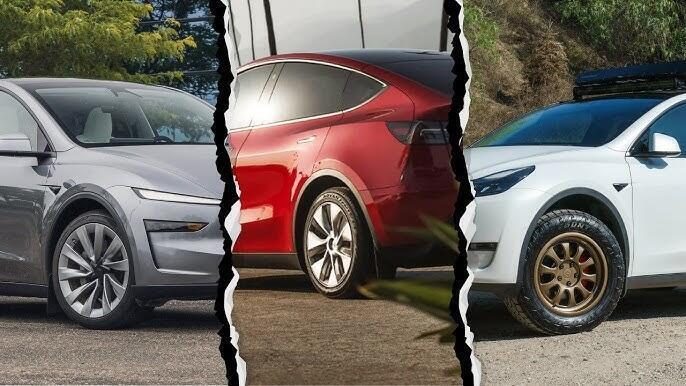
When selecting tyres for a Tesla Model Y, the decision extends beyond mere fitment; it involves optimizing for the vehicle's unique electric drivetrain, weight distribution, and instant torque delivery. The Model Y demands tyres capable of handling heavy battery loads while minimizing rolling resistance to maximize range.
Key factors include choosing between all-season, summer, or winter compounds based on climate, ensuring correct load indices to support the electric SUV's mass, and prioritizing low road noise for a serene cabin experience. Proper tyre selection enhances safety, efficiency, and handling, making it a critical aspect of Model Y ownership.
Choosing the Right Tyres for a Tesla Model Y
Choosing the right tyres for a Tesla Model Y is crucial for maximizing range, safety, and performance. The Model Y's heavy weight (over 4,500 lbs) and instant electric torque place unique demands on tyres, requiring load index ratings often above 105 and a focus on low rolling resistance to preserve battery life.
Unlike conventional cars, a specific tyre choice can impact regenerative braking efficiency and road noise, making the decision between summer, winter, or all-season compounds a key factor in your driving experience.
Importance of Load Index and Speed Rating
For the Tesla Model Y, selecting tyres with a proper load index is non-negotiable due to the vehicle's high curb weight and battery pack. The recommended load index is typically 105 (1,984 lbs per tyre) or higher, and the speed rating should be at least H (130 mph) or V (149 mph) to match the car's top speed capabilities.
Using tyres with a lower load index risks tyre failure, handling instability, and voiding the warranty. Always check the driver's door placard for the exact specifications.
This content may interest you! Tesla Model Y Tyre Replacement Guide
Low Rolling Resistance vs. All-Season Performance
Tyre selection for the Model Y involves a trade-off between low rolling resistance (LRR) for maximum range and all-season traction for safety. LRR tyres, like the Michelin Pilot Sport EV or Pirelli Scorpion Zero All-Season Plus, can boost range by 3-5%, but may sacrifice wet or snow grip.
Conversely, premium all-season tyres with higher silica content, like the Continental CrossContact LX25, offer balanced performance in rain and light snow while still maintaining acceptable efficiency. Choose based on your climate—LRR for mild regions, all-season for variable weather.
Winter vs. Summer Tyres for Extreme Conditions
If you live in areas with heavy snowfall, dedicated winter tyres are essential for the Model Y to maintain braking and control in below-45°F temperatures. For models like the Performance Y, summer tyres (e.g., Michelin Pilot Sport 4S) provide maximum cornering grip and dry handling, but become brittle and dangerous in cold weather.
A common solution is to use a second set of wheels with winter tyres (such as the Nokian Hakkapeliitta R5) to preserve your summer set and ensure year-round safety without compromising performance.
| Tyre Model | Tyre Type | Load Index | Key Features | Best For |
|---|---|---|---|---|
| Michelin Pilot Sport EV | Summer/LRR | 105 | Acoustic foam, EV rubber compound | Max range & dry handling |
| Continental CrossContact LX25 | Grand Touring All-Season | 107 | Silica tread, 70k mile warranty | Balanced wet & snow comfort |
| Nokian Hakkapeliitta R5 | Studless Winter | 105 | Arctic grip, low rolling resistance | Severe snow & ice traction |
| Pirelli Scorpion Zero All-Season Plus | Performance All-Season | 106 | Elect (EV) tire, noise cancelling | Sporty handling & comfort |
Understanding Tyre Fitment and Load Ratings for the Tesla Model Y
Choosing the correct tyres for the Tesla Model Y requires careful attention to load ratings and size specifications, as the vehicle’s heavy battery pack and instant electric torque demand reinforced sidewalls and higher load indices to ensure safety, range efficiency, and long-term durability.
Prioritising Low Rolling Resistance for Maximum Range
Tesla’s electric drivetrain places a premium on low rolling resistance tyres, which reduce energy loss and extend the Model Y’s driving range by up to 5-10%, especially crucial for long-distance travel and maintaining consistent battery efficiency.
This content may interest you! Tesla Model Y Suspension Problems
Balancing Noise Comfort with Summer and All-Season Tyres
The Model Y’s quiet cabin amplifies road noise, making acoustic foam insulation a valuable feature in summer and all-season tyres to minimise cabin resonance while preserving the performance needed for the car’s instant acceleration and heavy curb weight.
Winter Tyre Requirements for Cold Climate Performance
For regions with sub-7°C temperatures, dedicated winter tyres with deeper tread patterns and softer rubber compounds are essential to maintain grip on snow and ice, as standard all-season models can lose over 20% of traction in freezing conditions.
Selecting Tyres That Handle the Model Y’s Heavy Torque
The Model Y’s instant electric torque demands tyres with reinforced construction and higher speed ratings (at least Y or 186 mph) to prevent premature wear and maintain stability during hard acceleration from a standstill.
Understanding OEM-Approved and Third-Party Tyre Options
While Tesla-approved OEM tyres (like Pirelli Scorpion Zero or Michelin Pilot Sport EV) guarantee fitment and acoustic foam compatibility, third-party alternatives such as Continental CrossContact or Bridgestone Turanza can offer cost savings without sacrificing tread life or load index compliance.
Frequently Asked Questions
What is the best tyre size for a Tesla Model Y?
The best tyre size for a Tesla Model Y depends on your driving needs. Standard models typically use 19-inch tyres (255/55R19) for comfort and efficiency, while Performance variants often use 20-inch (255/45R20) or 21-inch (255/40R21) for better handling. The 19-inch option offers longer range and a smoother ride, while larger sizes improve cornering but may reduce range and increase road noise.
Should I choose all-season or winter tyres for my Tesla Model Y?
If you live in a region with mild winters, all-season tyres are suitable as they balance dry, wet, and light snow performance. However, for areas with frequent snow or ice, winter tyres are essential due to their superior grip at low temperatures. Tesla recommends winter tyres for cold climates to maintain safety and traction, but all-season alternatives can work if you prioritize convenience and year-round use.
This content may interest you! Tesla Model Y Maintenance Guide
How do tyre choices affect my Tesla Model Y's range and efficiency?
Tyre choice directly impacts range and efficiency due to rolling resistance. Low rolling resistance tyres, like the Michelin Primacy MXM4, maximize battery range by reducing energy loss as heat. Conversely, performance or off-road tyres with higher rolling resistance can reduce range by 5-15%. Always check the energy rating of tyres; selecting those designed for electric vehicles (EVs) helps maintain optimal efficiency.
Are EV-specific tyres necessary for a Tesla Model Y?
EV-specific tyres are recommended but not strictly necessary. They are designed to handle the Model Y's heavy weight (due to the battery pack), high instant torque, and quieter operation. Such tyres reduce road noise, offer lower rolling resistance for better range, and have stronger sidewalls to prevent excessive wear. Standard tyres may wear faster under EV loads, so investing in EV-rated options ensures durability and performance.
Leave a Reply